Blogs

Neelam Hospital

Appointment

Emergency

What's New

Consult

Blogs

Spine pain is a common issue that affects millions of people worldwide. It can arise from various factors such as poor posture, injury, or underlying medical conditions. Whether you’re dealing with acute or chronic spine pain, understanding treatment options and seeking timely medical advice can significantly improve your quality of life. This article provides an overview of spine pain treatment, helping you make informed decisions for long-term relief. Understanding Spine Pain The spine, or backbone, is crucial for providing structure, support, and mobility to the body. It consists of 33 vertebrae that protect the spinal cord, which controls many of the body’s functions. When there is an issue with the spine—such as misalignment, disc degeneration, or injury it can lead to significant discomfort. Causes of Spine Pain Spine pain can arise from various causes, including: Poor Posture: Slouching or sitting incorrectly for extended periods can strain the muscles and ligaments in the back. Injuries: Falls or accidents can result in sprains, fractures, or herniated discs. Degenerative Conditions: Conditions like osteoarthritis or degenerative disc disease cause the spine to wear down over time. Sciatica: Compression or irritation of the sciatic nerve can cause pain radiating from the lower back down to the legs. Spinal Stenosis: The narrowing of the spinal canal can lead to nerve compression and pain. Understanding the root cause of spine pain is essential for selecting the most effective treatment. Treatment Options for Spine Pain Treatment for spine pain typically involves a combination of non-invasive and, in some cases, surgical options. Below, we outline some of the most common methods of spine pain treatment. Physical Therapy (PT) Physical therapy is often the first treatment approach for spine pain. A qualified physical therapist will design a personalized exercise program to strengthen muscles supporting the spine and improve flexibility. PT helps reduce pain, prevent further injuries, and restore function. It is particularly effective for conditions such as herniated discs, sciatica, and muscle strains. Key Benefits: Reduces pain and inflammation Strengthens muscles and improves posture Restores mobility and flexibility Medication for Spine Pain Medications are commonly used to manage pain and inflammation associated with spine conditions. These may include: Over-the-counter pain relievers (e.g., ibuprofen, acetaminophen) for mild pain. Prescription medications such as muscle relaxants or stronger pain relievers for severe pain. Anti-inflammatory drugs (NSAIDs) to reduce swelling and inflammation. Corticosteroid injections for more targeted pain relief, especially in cases of herniated discs or spinal stenosis. While medication can be effective for managing spine pain, it’s important not to rely solely on painkillers, as long-term use can cause side effects. Chiropractic Care Chiropractors use hands-on techniques to adjust and realign the spine. These adjustments aim to restore proper spinal alignment, which can help relieve pain caused by muscle spasms, herniated discs, or sciatica. Chiropractic care offers a non-invasive option for individuals dealing with musculoskeletal pain. Benefits of Chiropractic Adjustments: Non-surgical, drug-free approach Improves spinal mobility and flexibility Reduces muscle tension and pain Massage Therapy Massage therapy is another non-invasive method for relieving spine pain. It targets soft tissues like muscles, ligaments, and tendons around the spine. Regular massages can reduce muscle tension, improve blood circulation, and promote relaxation. This treatment is particularly helpful for those experiencing chronic muscle pain, stress, or tension in the back. Key Benefits: Relieves muscle tension and spasms Enhances relaxation and reduces stress Improves blood flow and reduces swelling Surgical Treatment In cases where conservative treatments fail to provide relief, surgery may be an option. Surgical treatments for spine pain include procedures such as spinal fusion, disc replacement, or laminectomy. Surgery is usually reserved for conditions like severe herniated discs, spinal stenosis, or fractures that do not respond to non-invasive treatments. Types of Spine Surgery: Spinal Fusion: Fuses two or more vertebrae to eliminate painful movement. Discectomy: Removes damaged portions of a herniated disc. Laminectomy: Removes part of the vertebrae to relieve pressure on the spinal cord or nerves. Surgery is typically considered a last resort after other treatment options have been explored. Lifestyle Modifications Along with medical treatments, certain lifestyle changes can help prevent and manage spine pain. Consider incorporating the following: Maintain a Healthy Weight: Extra weight can strain the spine, particularly the lower back. Practice Good Posture: Proper posture reduces the risk of back strain and helps maintain spinal health. Exercise Regularly: Low-impact exercises like walking, swimming, or yoga help strengthen muscles and support the spine. Use Ergonomic Furniture: Proper seating and workstation setups prevent poor posture and reduce the risk of chronic pain. When to Seek Medical Advice If spine pain persists for more than a few days, worsens with movement, or is accompanied by other symptoms such as numbness, weakness, or fever, it is crucial to seek medical attention. Early intervention can help prevent further complications and promote quicker recovery. Conclusion Spine pain can significantly affect your daily activities, but it doesn’t have to be permanent. From physical therapy and chiropractic care to surgery, there are various treatment options available to help manage and alleviate spine pain. By understanding the causes of spine pain and the treatments available, you can make an informed decision to restore your spinal health. Remember that a personalized treatment plan is key to long-term success. If you’re experiencing spine pain, it’s always best to consult a healthcare professional to determine the most effective treatment for your specific condition. At Neelam Hospital, we provide comprehensive spine care and personalized treatment options to help you regain a pain-free lifestyle.
Read More →
Maintaining a healthy lifestyle is essential for long-term wellness and overall quality of life. From preventing chronic diseases to boosting energy and mental well-being, healthy habits play a crucial role at every stage of life. In Punjab, where food culture, lifestyle patterns, and work habits can influence health, adopting sustainable wellness practices is especially important. At Neelam Hospital, we emphasize proactive health management and provide guidance on healthy lifestyle tips in Punjab to help individuals live healthier, more fulfilling lives. Importance of a Healthy Lifestyle A healthy lifestyle is more than just exercise or diet; it is a balanced approach to physical, mental, and emotional well-being. Key benefits include: Reduced risk of chronic diseases such as diabetes, hypertension, and heart conditions Improved energy levels and physical stamina Better mental health and stress management Enhanced immunity and overall longevity By integrating healthy habits into daily life, individuals can prevent illness, maintain optimal body weight, and enjoy an active lifestyle. Key Tips for a Healthy Lifestyle in Punjab 1. Balanced Diet Diet plays a vital role in overall health. In Punjab, traditional diets are often rich and flavorful, which can be both nutritious and indulgent. For long-term wellness: Include plenty of fresh fruits and vegetables Choose whole grains over refined flour Incorporate lean proteins such as lentils, fish, and poultry Limit excessive sugar, fried foods, and high-fat snacks 2. Regular Physical Activity Exercise strengthens the body, improves cardiovascular health, and supports mental well-being. Recommended activities include: Daily brisk walking or jogging Yoga and stretching exercises for flexibility Strength training or bodyweight exercises Outdoor sports or recreational activities 3. Adequate Sleep Quality sleep is essential for physical recovery and mental clarity. Adults should aim for 7–8 hours per night, while children and teenagers may require more. 4. Stress Management Chronic stress can negatively impact physical and mental health. Strategies for stress reduction include: Meditation or deep-breathing exercises Mindfulness and relaxation techniques Regular breaks from work and digital devices Engaging in hobbies and recreational activities 5. Preventive Health Checkups Regular medical checkups are crucial for early detection of health issues. Neelam Hospital recommends routine screenings for blood pressure, cholesterol, diabetes, and other age-appropriate tests. 6. Hydration and Hygiene Drink sufficient water throughout the day to maintain hydration Practice good personal hygiene to prevent infections and illnesses Lifestyle Tips Specific to Punjab While the above habits are universal, residents of Punjab can benefit from specific adjustments: Incorporate seasonal vegetables and traditional grains like bajra and jowar for nutrient-rich meals Limit heavy ghee-based dishes and replace them with healthier cooking oils Stay active in everyday life, including farming, walking in local parks, or participating in community sports These small but meaningful changes can lead to significant long-term health benefits. Frequently Asked Questions Q1. How can I start a healthy lifestyle if I am very busy? Begin with small, manageable changes like daily 15–20 minute walks, incorporating fruits into meals, and practicing short stress-relief exercises. Q2. How important is diet compared to exercise? Both are equally important. A balanced diet fuels the body, while exercise strengthens it and supports overall wellness. Q3. How often should I get preventive health checkups? Most adults should get a basic health checkup once a year. High-risk individuals may require more frequent monitoring. Q4. Can mental health affect physical health? Yes. Stress, anxiety, and sleep deprivation can weaken immunity and increase the risk of chronic diseases. Mental wellness is an integral part of a healthy lifestyle. Final Thoughts Adopting a healthy lifestyle is a lifelong journey that requires commitment and consistency. By incorporating balanced nutrition, regular exercise, proper sleep, stress management, and preventive healthcare, individuals in Punjab can enjoy long-term wellness and a higher quality of life. At Neelam Hospital, we guide our patients with practical healthy lifestyle tips in Punjab and provide support for preventive care and overall wellness. Start today and take proactive steps toward a healthier, happier future.
Read More →
For patients with chronic kidney disease, regular dialysis treatment in Punjab is often a lifeline. Dialysis helps maintain kidney function by removing waste products and excess fluids from the blood, providing patients with relief and improved quality of life. At Neelam Hospital, patients benefit from state-of-the-art dialysis facilities, expert nephrologists, and personalized care tailored to their health needs. Understanding Dialysis Dialysis is a medical procedure that performs the functions of healthy kidneys when they fail. There are two main types: Hemodialysis: Blood is filtered through a machine to remove waste and excess fluids.  Peritoneal Dialysis: A cleansing solution is introduced into the abdominal cavity to absorb waste, which is then drained.  While dialysis is life-saving, a kidney transplant is often the long-term solution. Until then, dialysis ensures patients can lead normal and active lives. Why Dialysis Treatment in Punjab Is Essential Chronic kidney disease is increasingly prevalent in Punjab due to lifestyle factors, diabetes, and hypertension. Access to high-quality dialysis is critical for: Maintaining stable health  Reducing complications from kidney failure  Improving overall quality of life  Providing a bridge to kidney transplantation, if required  Advanced Dialysis Services at Neelam Hospital Neelam Hospital is recognized as one of the best hospitals for dialysis treatment in Punjab because of: Modern Dialysis Units: Equipped with the latest hemodialysis and peritoneal dialysis machines.  Experienced Nephrologists: Experts who monitor patients closely and adjust treatment plans.  Comprehensive Care: Regular health assessments, dietary guidance, and medication management.  24×7 Support: Immediate attention in case of complications during treatment.  Patient Comfort: Comfortable treatment environment with strict hygiene and safety protocols.  Patient-Centric Approach to Dialysis Every dialysis patient at Neelam Hospital receives: Personalized Treatment Plans: Based on health condition, age, and medical history.  Regular Monitoring: Vital signs, kidney function, and lab tests during every session.  Lifestyle Guidance: Nutritional counseling and exercise advice to improve kidney health.  Emotional Support: Guidance to help patients manage the challenges of chronic treatment.  This approach ensures that patients not only survive but thrive during dialysis treatment. Dialysis vs Kidney Transplant While dialysis is effective, it is usually a temporary solution for end-stage kidney disease. Benefits of a kidney transplant include: Long-term kidney function restoration  Reduced dependence on frequent hospital visits  Improved quality of life and energy levels  Longer life expectancy  At Neelam Hospital, patients receive expert advice on when a kidney transplant may be the most appropriate next step. Frequently Asked Questions (FAQs) How often is dialysis required? Typically, hemodialysis is required 2–3 times a week, depending on the patient’s condition. Is dialysis painful? Dialysis is generally painless. Some patients may feel minor discomfort during needle insertion for hemodialysis. How much does dialysis treatment cost in Punjab? Costs vary depending on the type of dialysis and individual health requirements. Neelam Hospital offers affordable and transparent pricing. Can dialysis patients live a normal life? Yes, with proper care, dialysis patients can continue to work, travel, and maintain a good quality of life. Why Choose Neelam Hospital for Dialysis Treatment in Punjab? Experienced nephrologists and trained dialysis staff  Advanced, hygienic, and comfortable dialysis units  Personalized care plans for every patient  Round-the-clock monitoring and support  Proven track record of patient safety and successful outcomes  Book a Dialysis Consultation Today If you or a loved one needs dialysis treatment in Punjab, Neelam Hospital is here to provide expert care, cutting-edge facilities, and compassionate support throughout your treatment journey. 👉 Book Your Dialysis Consultation at Neelam Hospital Today
Read More →
Back pain is one of the most common health complaints among people of all ages. Whether it arises from long hours of desk work, injuries, or age-related conditions, spine pain can severely affect daily life and overall well-being. For many patients, the struggle begins with mild discomfort but gradually progresses to chronic pain, making even simple movements challenging. At Neelam Hospital, we understand how debilitating back problems can be. Our specialized orthopedic and neurosurgery teams offer advanced and comprehensive solutions for spine pain treatment in Punjab, ensuring that every patient receives care tailored to their specific needs. Common Causes of Spine Pain Spine pain may occur due to a variety of reasons, ranging from lifestyle habits to underlying medical conditions. Some of the most frequent causes include: Poor posture and sedentary lifestyle – Long hours of sitting at desks or working on computers can strain the back muscles and spine.  Degenerative conditions – Disorders such as osteoarthritis or degenerative disc disease often lead to persistent back pain.  Herniated or slipped discs – When spinal discs press against nerves, it results in sharp pain, numbness, or weakness.  Injuries and fractures – Accidents or falls can cause traumatic injuries that affect spinal stability.  Spinal deformities – Conditions like scoliosis or kyphosis may lead to chronic pain and discomfort.  Identifying the root cause is the first step toward designing the right treatment plan. Advanced Diagnostic Tools At Neelam Hospital, accurate diagnosis is at the heart of effective treatment. Our team uses advanced imaging technologies such as MRI, CT scans, and digital X-rays to assess the condition of the spine. With these tools, we can pinpoint the exact problem and determine whether non-surgical or surgical intervention is required. Treatment Options at Neelam Hospital When it comes to spine pain treatment in Punjab, Neelam Hospital offers a wide range of medical, non-invasive, and surgical solutions: Non-Surgical Treatments In many cases, spine pain can be managed without surgery. These options include: Medication for pain relief and inflammation control  Physiotherapy and rehabilitation to strengthen muscles and improve mobility  Lifestyle modifications such as posture correction and ergonomic adjustments  Minimally Invasive Procedures For patients who require more than conservative care, Neelam Hospital provides advanced minimally invasive treatments, which result in smaller incisions, less scarring, and faster recovery. Surgical Options In cases of severe conditions like herniated discs, spinal stenosis, or fractures, surgery may be the most effective option. Our team of skilled neurosurgeons and orthopedic specialists ensures that surgeries are performed with precision and the highest safety standards. Rehabilitation and Recovery Successful treatment of spine pain does not end with the procedure. Rehabilitation plays an equally vital role in ensuring long-term relief. At Neelam Hospital, our physiotherapy and rehabilitation experts work closely with patients to restore mobility, strengthen the spine, and prevent recurrence. Customized recovery plans may include physiotherapy exercises, lifestyle counseling, and regular follow-ups with our specialists. Why Choose Neelam Hospital for Spine Pain Treatment in Punjab? Multidisciplinary team of neurosurgeons, orthopedic surgeons, and physiotherapists  State-of-the-art diagnostic and surgical facilities  Personalized treatment plans for every patient  Focus on both short-term relief and long-term spine health  Our goal is not just to treat pain but to improve the overall quality of life for our patients. Frequently Asked Questions Q1. How do I know if my back pain is serious? If your pain lasts for more than a few weeks, worsens over time, or is accompanied by numbness or weakness in the legs, you should consult a specialist. Q2. Is surgery always required for spine problems? No. Most spine issues can be managed with non-surgical treatments. Surgery is recommended only when conservative treatments fail. Q3. How long does it take to recover from spine surgery? Recovery depends on the type of surgery. Minimally invasive procedures allow quicker recovery, while more complex surgeries may require several weeks of rehabilitation. Q4. Can lifestyle changes reduce back pain? Yes. Maintaining good posture, regular exercise, and ergonomic work habits can significantly reduce the risk of spine pain. Final Thoughts Back and spine problems should never be ignored, as they can progress and affect overall health and mobility. If you are looking for reliable and advanced solutions for spine pain treatment in Punjab, Neelam Hospital provides world-class care with the expertise of top specialists. Take control of your health today—schedule an appointment with our spine care experts and start your journey towards a pain-free life.
Read More →
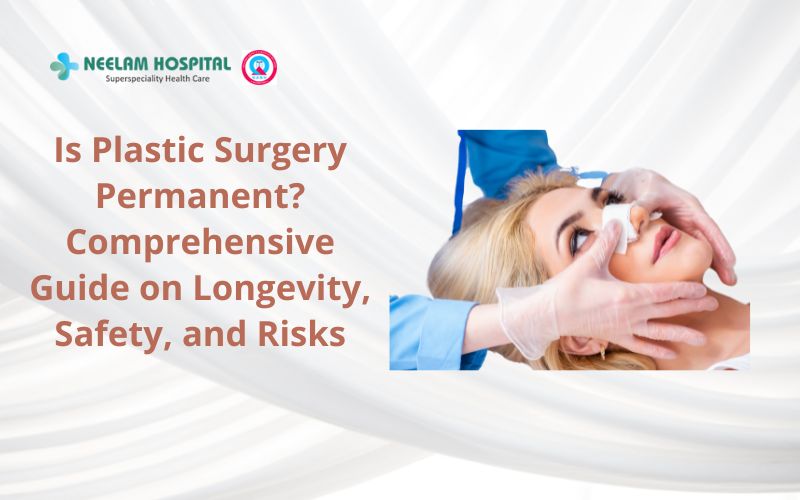
Plastic surgery is no longer limited to cosmetic enhancements—it plays a vital role in both reconstructive and aesthetic procedures that restore confidence and improve quality of life. With rising awareness and advancements in medical technology, plastic surgery in Punjab has become more accessible and safer than ever before. At Neelam Hospital, one of Punjab’s most trusted multispecialty hospitals, patients benefit from a wide range of plastic surgery services performed by highly qualified specialists in a safe and professional environment. Understanding Plastic Surgery Plastic surgery is a specialized branch of medicine that involves restoring, reconstructing, or enhancing physical appearance and function. It is broadly divided into two categories: Reconstructive Surgery: Focuses on correcting abnormalities caused by accidents, burns, birth defects, or medical conditions. Cosmetic (Aesthetic) Surgery: Aimed at improving appearance, enhancing beauty, and boosting self-confidence. Common Plastic Surgery Procedures at Neelam Hospital Neelam Hospital offers a comprehensive range of plastic surgery treatments in Punjab, including: 1. Reconstructive Surgery Burn reconstruction and scar management Skin grafting and flap surgeries Hand surgery for trauma or deformities Correction of congenital abnormalities (e.g., cleft lip and palate) 2. Cosmetic Surgery Rhinoplasty (nose reshaping) Liposuction and body contouring Tummy tuck (abdominoplasty) Breast augmentation, reduction, or reconstruction Facelift, eyelid surgery, and anti-aging procedures 3. Skin & Aesthetic Treatments Laser treatments for scars, pigmentation, and wrinkles Botox and dermal fillers Hair restoration treatments Why Patients Choose Plastic Surgery in Punjab The demand for plastic surgery in Punjab has increased significantly due to: Growing awareness of safe, advanced techniques Affordable treatment options compared to metro cities Improved success rates and natural-looking results Availability of specialized surgeons and modern facilities at hospitals like Neelam Hospital Patient-Centered Care at Neelam Hospital Plastic surgery is not just about appearance—it’s about restoring confidence, function, and overall well-being. At Neelam Hospital, every patient receives: Personalized consultation to understand needs and goals Detailed treatment planning with clear cost estimates Safe surgical environment with advanced OT facilities Post-surgery follow-up care for faster recovery Psychological support to help patients feel comfortable and confident Recovery and Aftercare The recovery process depends on the type of surgery performed. At Neelam Hospital, patients are guided through every stage: Initial Phase (1–2 weeks): Rest, wound care, and follow-ups Intermediate Phase (1–3 months): Gradual healing, swelling reduction, and activity resumption Long-Term: Visible results, improved confidence, and normal lifestyle resumption Proper aftercare, including diet, skincare, and follow-up visits, ensures long-lasting results. Frequently Asked Questions (FAQs) Is plastic surgery safe? Yes, when performed by qualified surgeons in a hospital setting like Neelam Hospital, plastic surgery is safe and effective. How much does plastic surgery cost in Punjab? The cost depends on the type of procedure. Neelam Hospital ensures affordable pricing with world-class care. Will I have scars after plastic surgery? Modern surgical techniques minimize scarring. In most cases, scars fade significantly over time. How long does it take to recover from cosmetic surgery? Recovery varies, but most patients return to normal activities within a few weeks. Why Choose Neelam Hospital for Plastic Surgery in Punjab? Team of highly trained plastic surgeons Advanced surgical and aesthetic equipment 24×7 medical support for complete safety Focus on both function and aesthetics Proven track record of successful outcomes and happy patients Book Your Consultation Today If you are considering plastic surgery in Punjab, Neelam Hospital provides world-class treatments with compassionate care. Whether for reconstruction or cosmetic enhancement, our experts ensure safe procedures and natural results. 👉 Book Your Plastic Surgery Consultation at Neelam Hospital Today
Read More →
Shoulder injuries are common among athletes, fitness enthusiasts, and even individuals with physically demanding jobs. Pain, limited mobility, and discomfort can interfere with daily activities and athletic performance. For many patients, shoulder arthroscopy surgery in Punjab offers a minimally invasive solution to restore function and relieve pain. At Neelam Hospital, we specialize in advanced shoulder procedures, combining surgical expertise with comprehensive rehabilitation to ensure the best possible recovery outcomes. Understanding Shoulder Arthroscopy Shoulder arthroscopy is a minimally invasive surgical procedure used to diagnose and treat a variety of shoulder conditions. Instead of large incisions, surgeons use a small camera called an arthroscope to view the joint and perform necessary repairs. Common conditions treated with shoulder arthroscopy include: Rotator cuff tears Labral tears Shoulder impingement Frozen shoulder Shoulder instability and dislocations By using this minimally invasive approach, patients experience less post-operative pain, reduced scarring, and faster recovery compared to traditional open surgeries. Common Sports-Related Shoulder Injuries Athletes and physically active individuals are particularly prone to shoulder injuries due to repetitive movements or sudden trauma. Some common sports-related shoulder injuries include: Rotator cuff injuries in swimmers, baseball pitchers, and tennis players Labral tears from falls or heavy lifting Dislocations from contact sports or accidents Chronic overuse injuries leading to inflammation and stiffness Early diagnosis and intervention are crucial to prevent long-term damage and ensure full recovery. Advanced Shoulder Arthroscopy at Neelam Hospital At Neelam Hospital, our orthopedic specialists are trained in the latest arthroscopic techniques to ensure precise treatment of shoulder injuries. Key features of our approach include: Minimally Invasive Surgery: Small incisions, faster healing, and reduced pain State-of-the-Art Equipment: High-definition arthroscopic cameras and precision surgical instruments Comprehensive Pre-Surgery Assessment: Personalized evaluation to design the most effective treatment plan Focus on Joint Preservation: Where possible, we repair and preserve natural joint structures to maintain long-term function This approach allows patients to regain shoulder mobility while minimizing risks associated with traditional surgery. Rehabilitation and Recovery Successful recovery from shoulder injuries requires more than surgery. At Neelam Hospital, we provide comprehensive rehabilitation programs designed to restore strength, flexibility, and function. Our rehabilitation process includes: Targeted physiotherapy exercises for the shoulder and surrounding muscles Gradual strengthening programs to prevent reinjury Education on posture, ergonomics, and proper technique for sports activities Regular monitoring to track progress and adjust therapy as needed Most patients are able to return to light activity within a few weeks and resume full athletic or daily activities within a few months, depending on the severity of the injury. Why Choose Neelam Hospital for Shoulder Arthroscopy Surgery in Punjab? Expert orthopedic surgeons with specialized training in arthroscopy Advanced operation theatres equipped for precision procedures Dedicated physiotherapy and rehabilitation unit for optimal recovery Customized treatment plans tailored to the patient’s lifestyle and activity level Our multidisciplinary approach ensures that patients not only recover from surgery but also regain full function and strength, allowing them to return to sports or daily activities confidently. Frequently Asked Questions Q1. How long does shoulder arthroscopy surgery take? The procedure typically takes 1–2 hours, depending on the complexity of the injury. Q2. Is shoulder arthroscopy painful? Patients may experience mild post-operative discomfort, which is managed with medication and physiotherapy. Q3. When can I resume sports or heavy activity? Recovery timelines vary, but most patients return to light activity in 4–6 weeks and full athletic participation in 3–6 months. Q4. Is minimally invasive surgery better than traditional open surgery? Yes. Arthroscopy offers smaller incisions, faster recovery, reduced pain, and lower risk of complications compared to open surgery. Final Thoughts Shoulder injuries can significantly impact your quality of life, especially for athletes and active individuals. Shoulder arthroscopy surgery in Punjab at Neelam Hospital combines advanced surgical techniques with personalized rehabilitation to ensure optimal recovery and long-term joint health. Take the first step towards pain-free movement and improved shoulder function by scheduling a consultation with our orthopedic specialists today.
Read More →
The health and well-being of children are of paramount importance, and choosing the best hospital in Punjab for pediatric and neonatal care ensures that infants and young children receive the highest level of medical attention. At Neelam Hospital, families benefit from expert pediatricians, neonatologists, and specialized care units designed to support children at every stage of growth. Understanding Pediatric and Neonatal Care Pediatric care focuses on the physical, emotional, and developmental health of children from birth through adolescence. Neonatal care, on the other hand, addresses the specialized medical needs of newborns, especially premature or critically ill babies. Early intervention and comprehensive care are critical for preventing complications and promoting healthy development. Why Specialized Pediatric Care Matters Children are not just small adults—their physiology, immunity, and medical needs are unique. Choosing a hospital with dedicated pediatric services ensures: Accurate diagnosis of illnesses and growth issues  Advanced treatment options tailored for children  Holistic monitoring of both physical and emotional development  Family-centered support for parents during hospitalization  Neelam Hospital combines these essential elements with compassionate care, ensuring that both children and parents feel supported. Pediatric Services at Neelam Hospital General Pediatrics Routine check-ups, vaccinations, and growth monitoring are provided to ensure optimal child health. Pediatricians assess nutritional needs, developmental milestones, and preventive care to reduce illness and support long-term well-being. Neonatal Intensive Care (NICU) The NICU is equipped to care for premature or critically ill newborns. Advanced monitoring, incubators, and respiratory support devices, along with round-the-clock neonatologist supervision, ensure that newborns receive timely interventions and specialized attention. Specialized Pediatric Care Neelam Hospital offers targeted care for children with chronic or complex conditions such as congenital heart defects, respiratory illnesses, gastrointestinal disorders, and neurological challenges. Early diagnosis and customized treatment plans improve long-term outcomes. Vaccination and Preventive Health Immunizations play a critical role in protecting children from infectious diseases. Neelam Hospital provides a comprehensive vaccination schedule along with preventive guidance for nutrition, hygiene, and overall child development. Family-Centered Approach At Neelam Hospital, pediatric and neonatal care goes beyond medical treatment. Families are engaged in every step, from consultations to recovery plans. Parents receive guidance on nutrition, developmental milestones, and home care, ensuring continuity of care and a nurturing environment for the child. Advanced Technology and Facilities Neelam Hospital’s pediatric and neonatal units are equipped with: Advanced diagnostic tools for early detection of illnesses  High-tech incubators and monitoring systems for newborns  Pediatric-friendly wards to provide comfort and reduce stress  Skilled nursing staff trained in child and neonatal care  This combination of technology, expertise, and compassionate care ensures the best possible outcomes for young patients. Frequently Asked Questions (FAQs) What conditions are treated in the NICU? Premature babies, low birth weight infants, and newborns with congenital or critical health conditions are treated with specialized care. How often should children visit a pediatrician? Routine check-ups are recommended at birth, 6 weeks, 3 months, 6 months, and annually thereafter, with additional visits as needed. Does Neelam Hospital provide vaccination services? Yes, a complete range of vaccines is available, along with preventive care advice for each child. Can parents stay with their child in the hospital? Yes, family-centered policies allow parents to stay with their children, providing comfort and emotional support. Why Choose Neelam Hospital for Pediatric and Neonatal Care in Punjab? Experienced pediatricians and neonatologists  Advanced NICU and pediatric facilities  Personalized care plans for each child  Comprehensive preventive and emergency care  Compassionate, family-centered approach  Book a Consultation Today If you are looking for the best hospital in Punjab for your child’s health, Neelam Hospital provides expert pediatric and neonatal care with a focus on safety, comfort, and holistic development. 👉 Book Your Pediatric or Neonatal Consultation at Neelam Hospital Today
Read More →
Knee pain is one of the most common health concerns affecting people in Punjab today. Whether caused by arthritis, injuries, or years of wear and tear, severe knee pain can make even simple daily activities difficult. For many patients, knee replacement surgery in Punjab has become the most effective treatment to regain mobility and live a pain-free life. At Neelam Hospital, we specialize in advanced orthopedic procedures, and knee replacement surgery is one of the areas where our expertise and modern facilities truly stand out. Understanding Knee Replacement Surgery Knee replacement surgery, also called knee arthroplasty, is a procedure in which the damaged parts of the knee joint are replaced with artificial implants. These implants are designed to mimic the natural movement of the knee, helping patients walk, bend, and move with ease again. While medication, physiotherapy, and lifestyle modifications can help in the early stages of knee pain, there comes a time when surgery becomes the only effective solution. Patients who suffer from constant pain, swelling, or deformity in the knee joint, and those who find it difficult to walk or climb stairs, are usually considered good candidates for this procedure. What Makes Neelam Hospital a Trusted Choice When it comes to knee replacement surgery in Punjab, patients often worry about the risks, recovery time, and long-term results. At Neelam Hospital, our orthopedic team combines years of experience with cutting-edge technology to ensure a safe and smooth journey for every patient. Our operation theatres are equipped with advanced equipment, allowing us to perform minimally invasive surgeries that lead to smaller incisions, less pain, and faster healing. We also place a strong emphasis on post-surgery rehabilitation, offering personalized physiotherapy programs that help patients recover mobility and return to normal life more quickly. The Recovery Journey Recovery after knee replacement surgery is just as important as the procedure itself. Patients usually begin walking with assistance within a few days of the surgery. With regular physiotherapy and proper guidance, most individuals are able to resume light activities within a few weeks. At Neelam Hospital, we ensure that every patient is closely monitored during the recovery process. Our team provides pain management solutions, tailored exercise plans, and lifestyle advice to support long-term joint health. Why Consider Knee Replacement Surgery? Living with chronic knee pain not only affects physical health but also impacts mental well-being and overall quality of life. For many, the inability to move freely can lead to frustration, dependency on others, and reduced social activity. Knee replacement surgery offers a long-term solution by reducing pain, correcting joint deformities, and restoring mobility. With proper care, modern implants can last for 15 to 20 years, giving patients the freedom to live more active and independent lives. Frequently Asked Questions Q1. How long does the surgery take? On average, knee replacement surgery takes about 1 to 2 hours. Q2. Is the surgery safe? Yes. With modern techniques and expert surgeons, the risks are minimal, especially at specialized hospitals like Neelam. Q3. How soon can I return to work? Many patients return to light office work within 4 to 6 weeks, though complete recovery may take 3 to 6 months. Q4. Will the implant feel natural? Most patients adapt to their new knee within a few months, experiencing improved function and reduced pain. Take the Next Step If you or your loved one is suffering from long-term knee pain, it may be time to consider knee replacement surgery in Punjab. At Neelam Hospital, our skilled orthopedic team, advanced facilities, and personalized care ensure that every patient receives the highest standard of treatment. Schedule a consultation today and take the first step towards a healthier, pain-free future.
Read More →
Neurosurgical care requires precision, expertise, and advanced technology. For patients seeking the best neurosurgeon in Chandigarh, Neelam Hospital provides comprehensive solutions for neurological disorders, combining cutting-edge surgical techniques with compassionate care. Understanding Neurosurgery Neurosurgery deals with the diagnosis and treatment of disorders affecting the brain, spinal cord, and nervous system. Conditions treated include brain tumors, spinal injuries, stroke-related complications, epilepsy, and congenital neurological disorders. Early intervention and advanced surgical care are crucial to improve outcomes and quality of life. Why Advanced Neurosurgery Matters Neurological conditions are complex and require specialized expertise. Access to a skilled neurosurgeon ensures: Accurate diagnosis using modern imaging techniques Minimally invasive surgeries to reduce risks and recovery time Personalized treatment plans based on the patient’s medical condition Long-term follow-up for rehabilitation and improved neurological function At Neelam Hospital, neurosurgery integrates innovation with patient-centered care to deliver optimal results. Neurosurgery Services at Neelam Hospital Brain Surgery Neelam Hospital handles complex brain surgeries including tumor removal, aneurysm repair, and treatment for epilepsy. Advanced microsurgical tools allow for precise intervention, minimizing risks and ensuring better recovery. Spinal Surgery Spinal disorders such as herniated discs, spinal stenosis, or trauma-related injuries are addressed using minimally invasive and open surgical techniques. Patients benefit from reduced pain, faster mobility, and improved overall function. Neuro-Oncology Brain and spinal tumors require careful diagnosis and multidisciplinary treatment. Neelam Hospital combines neurosurgery with oncology, radiology, and rehabilitation to provide comprehensive care and improve survival outcomes. Pediatric Neurosurgery Children with neurological disorders receive specialized care, including treatment for congenital malformations, hydrocephalus, and brain injuries. Pediatric neurosurgeons ensure procedures are safe, precise, and adapted to a child’s unique needs. Patient-Centered Approach At Neelam Hospital, every neurosurgery patient receives personalized attention: Detailed pre-surgical evaluation with advanced imaging and diagnostics Customized surgical plans designed to minimize risk and maximize recovery Post-operative care including physiotherapy, medication, and monitoring Counseling and family support to assist during treatment and recovery This comprehensive approach ensures that patients not only undergo successful surgery but also regain independence and quality of life. Advanced Technology and Facilities Neelam Hospital employs state-of-the-art technology for neurosurgical procedures, including: High-resolution MRI and CT imaging for accurate diagnosis Microsurgical instruments for precise, minimally invasive operations Intraoperative monitoring to reduce surgical risk Dedicated neuro-ICU for post-surgical care and monitoring These advanced facilities, combined with expert neurosurgeons, make Neelam Hospital a leader in neurosurgery for Chandigarh and Punjab. Frequently Asked Questions (FAQs) How do I know if I need a neurosurgeon? If you experience persistent headaches, seizures, neurological deficits, or spinal injuries, consulting a neurosurgeon is crucial for early diagnosis and treatment. Are neurosurgeries risky? While all surgeries carry some risk, advanced technology and skilled surgeons at Neelam Hospital minimize complications and enhance safety. How long is the recovery after neurosurgery? Recovery time depends on the type and complexity of surgery. The hospital provides detailed post-operative care to ensure safe and effective recovery. Can children undergo neurosurgery safely? Yes, pediatric neurosurgeons at Neelam Hospital specialize in safe surgical care for children, tailored to their unique medical needs. Why Choose Neelam Hospital for Neurosurgery in Chandigarh & Punjab? Experienced and highly skilled neurosurgeons Advanced surgical tools and imaging technology Personalized treatment plans for adults and children Comprehensive post-operative care including rehabilitation Proven track record of successful outcomes Book a Consultation Today If you are seeking the best neurosurgeon in Chandigarh, Neelam Hospital provides innovative neurosurgical solutions with expert care, advanced technology, and a patient-focused approach. 👉 Book Your Neurosurgery Consultation at Neelam Hospital Today
Read More →
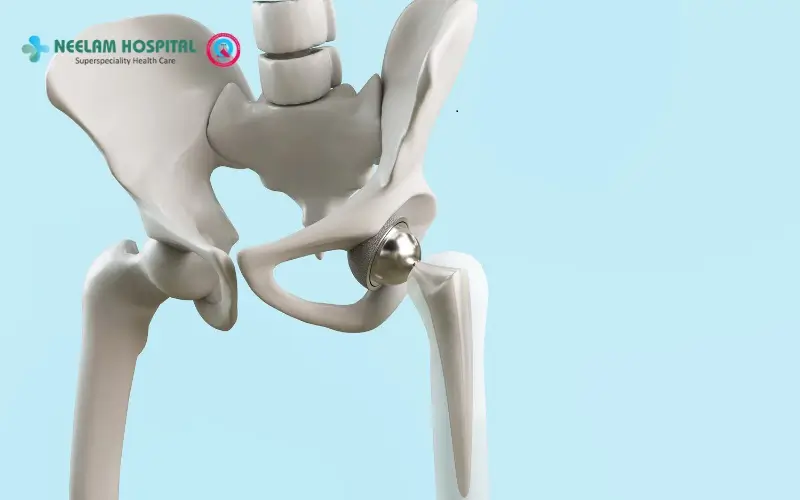
Hip pain is one of the leading causes of disability among adults and seniors. Conditions like arthritis, fractures, or long-term joint wear can make everyday activities—such as walking, climbing stairs, or even sitting—extremely painful. For many, medication and physiotherapy may provide temporary relief, but when the pain becomes severe and persistent, hip replacement surgery in Punjab can offer a long-term solution. At Neelam Hospital, our orthopedic specialists have helped countless patients regain mobility and live pain-free lives through advanced hip replacement procedures. With cutting-edge technology and expert care, we ensure that every patient receives safe, effective, and personalized treatment. What is Hip Replacement Surgery? Hip replacement surgery, also known as hip arthroplasty, is a procedure in which damaged or diseased parts of the hip joint are replaced with artificial implants. These implants are designed to function like a natural hip, reducing pain and restoring movement. There are two main types of hip replacement: Total Hip Replacement (THR): Both the ball and socket of the hip joint are replaced. Partial Hip Replacement: Only the damaged part of the hip is replaced, often used in cases of fractures. When is Hip Replacement Surgery Needed? Patients are typically recommended for hip replacement when they experience: Severe hip pain that limits daily activities Stiffness in the hip joint, making it difficult to move freely Pain even while resting or sleeping Ineffective results from medication, physiotherapy, or lifestyle changes Hip joint damage due to arthritis, fractures, or degenerative diseases Advanced Hip Replacement Surgery at Neelam Hospital As one of the leading centers for hip replacement surgery in Punjab, Neelam Hospital combines expert surgical skills with modern technology. Our approach includes: Minimally Invasive Techniques: Smaller incisions, reduced blood loss, and quicker recovery times. High-Quality Implants: Durable prosthetics that last for 15–20 years or more with proper care. Comprehensive Pre-Surgery Evaluation: Ensuring patients are fully prepared for surgery. Dedicated Rehabilitation: Physiotherapy-led recovery programs that help patients regain strength and mobility quickly. Recovery and Rehabilitation Recovery after hip replacement surgery is a gradual process, but with proper care, patients can return to their normal routines in a matter of weeks. At Neelam Hospital, we provide a personalized rehabilitation plan that includes: Guided physiotherapy exercises to strengthen the hip joint Pain management and support during the healing process Lifestyle guidance to protect the new hip and prevent complications Regular follow-ups to track progress and ensure long-term success Benefits of Hip Replacement Surgery For patients struggling with chronic hip pain, surgery offers life-changing benefits: Significant reduction or complete elimination of pain Improved joint mobility and flexibility Ability to walk, climb stairs, and perform daily tasks with ease Enhanced quality of life and independence Why Choose Neelam Hospital for Hip Replacement Surgery in Punjab? Experienced orthopedic surgeons with years of expertise in joint replacement Advanced operation theatres with modern safety standards Personalized treatment and rehabilitation for every patient Proven results with high success rates across a wide range of cases Frequently Asked Questions Q1. How long does hip replacement surgery take? The procedure usually takes about 1–2 hours, depending on the complexity. Q2. Will I be able to walk after the surgery? Most patients begin walking with support within 2–3 days after surgery. Q3. How long do artificial hips last? With proper care, modern implants can last 15–20 years or more. Q4. Is the surgery safe? Yes. With advanced techniques and experienced surgeons, hip replacement is considered a safe and highly successful procedure. Final Thoughts Hip pain should not prevent you from living an active and fulfilling life. If conservative treatments are no longer effective, hip replacement surgery in Punjab at Neelam Hospital offers a safe and advanced solution to restore mobility and comfort. Book a consultation with our orthopedic specialists today and take the first step towards a pain-free future.
Read More →
Healthcare is most effective when specialists collaborate to provide comprehensive, patient-centered care. Neelam Hospital, a leading multispecialist hospital in Chandigarh, offers integrated medical services that combine expertise across multiple specialties to ensure the best possible outcomes for patients. Understanding Integrated Multispecialist Care A multispecialist hospital brings together experts from various fields—cardiology, neurology, nephrology, pediatrics, orthopedics, and more—to offer holistic care under one roof. Integrated care ensures: Coordinated treatment plans across specialties Faster diagnosis and intervention for complex conditions Reduced need for multiple hospital visits Enhanced patient convenience and comfort Neelam Hospital’s approach ensures that patients receive seamless medical attention without delays or gaps in treatment. Services Offered at Neelam Hospital Cardiology Patients with heart conditions benefit from expert cardiologists, advanced diagnostics, and both interventional and surgical treatments. From preventive care to emergency management, the cardiology team works closely with other departments for holistic patient care. Neurology & Neurosurgery Neelam Hospital provides specialized care for neurological disorders, including brain and spinal conditions, epilepsy, and neuro-oncology. Collaboration between neurologists, neurosurgeons, and rehabilitation experts ensures precise diagnosis and effective treatment. Nephrology & Dialysis Patients with kidney disease receive comprehensive care, including chronic kidney disease management, dialysis, and transplant support. Integrated care between nephrologists and surgeons improves long-term health outcomes. Pediatrics & Neonatology The hospital’s pediatric and neonatal units offer preventive care, routine check-ups, NICU support, and specialized treatment for children with complex medical needs. Pediatricians collaborate with other specialists to address all aspects of a child’s health. Orthopedics & Rehabilitation Patients with bone, joint, or musculoskeletal issues benefit from advanced orthopedic surgery, physiotherapy, and rehabilitation services. Coordinated care ensures faster recovery and improved mobility. Other Specialties Neelam Hospital also offers plastic surgery, urology, gastroenterology, gynecology, and critical care, providing comprehensive solutions for a wide range of medical needs. Advantages of Choosing a Multispecialist Hospital Comprehensive Care: Patients receive diagnosis, treatment, and follow-up across multiple specialties in one location. Expert Collaboration: Specialists work together to create personalized treatment plans, especially for complex or chronic conditions. Advanced Technology: The hospital is equipped with state-of-the-art diagnostic tools and surgical facilities across all departments. Convenience & Comfort: Patients avoid the hassle of visiting multiple hospitals for different treatments, saving time and reducing stress. Continuity of Care: Integrated systems ensure accurate records, seamless communication between departments, and better overall outcomes. Patient-Centered Approach Neelam Hospital focuses on patient comfort, safety, and satisfaction. The care team ensures that each patient’s medical journey is smooth, coordinated, and well-monitored. Family members are kept informed, and patients receive personalized guidance for recovery, lifestyle modifications, and preventive health. Frequently Asked Questions (FAQs) What is a multispecialist hospital? A multispecialist hospital provides comprehensive care across various medical specialties, ensuring integrated and coordinated treatment. How does integrated care benefit patients? Integrated care improves diagnosis accuracy, treatment effectiveness, and reduces the need for multiple hospital visits. Can I consult multiple specialists in one visit? Yes, Neelam Hospital coordinates appointments across specialties for efficient and convenient care. Is integrated care more expensive? No, integrated care often reduces costs by minimizing repeated tests, unnecessary visits, and delays in treatment. Why Choose Neelam Hospital as a Multispecialist Hospital in Chandigarh? Experienced doctors across multiple specialties Advanced diagnostic and treatment facilities Seamless collaboration between specialists Personalized care plans tailored to each patient Commitment to patient safety, comfort, and holistic health Book a Consultation Today For comprehensive, patient-focused care from a multispecialist hospital in Chandigarh, Neelam Hospital provides expert treatment across all major medical specialties, ensuring better outcomes and a seamless healthcare experience. 👉 Book Your Consultation at Neelam Hospital Today
Read More →
Frozen shoulder, medically known as adhesive capsulitis, is a condition that causes stiffness, pain, and limited mobility in the shoulder joint. It can significantly interfere with daily activities, making tasks like lifting objects, dressing, or even sleeping difficult. Early intervention is crucial, and frozen shoulder treatment in Punjab is available at Neelam Hospital, where our specialists combine precise diagnosis with advanced treatment and rehabilitation methods. Understanding Frozen Shoulder Frozen shoulder occurs when the connective tissue surrounding the shoulder joint thickens and tightens, restricting movement. The condition often develops gradually and typically progresses through three stages: Freezing Stage: Pain gradually increases, and shoulder movement becomes limited.  Frozen Stage: Pain may lessen, but stiffness and reduced mobility remain.  Thawing Stage: Gradual improvement in movement occurs over several months.  While frozen shoulder can affect anyone, it is more common in individuals aged 40 to 60 and is often associated with conditions such as diabetes or prolonged immobilization after injury. Causes and Risk Factors Several factors may contribute to frozen shoulder, including: Shoulder injury or surgery that limits movement  Chronic conditions like diabetes, thyroid disorders, or cardiovascular diseases  Prolonged immobilization due to fractures or arm injuries  Repetitive overhead activities or poor posture  Understanding these risk factors helps our specialists at Neelam Hospital design personalized treatment plans that address both the symptoms and the underlying causes. Diagnosis of Frozen Shoulder Accurate diagnosis is essential for effective treatment. At Neelam Hospital, our team uses a combination of clinical evaluation and advanced imaging techniques to confirm the condition. Physical Examination: Assessment of shoulder range of motion, pain levels, and functional limitations.  Imaging Tests: X-rays, MRI, or ultrasound to rule out other shoulder conditions such as arthritis, rotator cuff tears, or labral injuries.  Early diagnosis allows for timely intervention, which can significantly shorten recovery time and prevent long-term complications. Treatment Options at Neelam Hospital Treatment for frozen shoulder is typically tailored to the stage and severity of the condition. At Neelam Hospital, our approach includes: Non-Surgical Management For most patients, non-surgical treatments are highly effective and may include: Physiotherapy: Targeted exercises to improve flexibility and restore range of motion  Medications: Anti-inflammatory drugs to relieve pain and reduce inflammation  Steroid Injections: Corticosteroid injections to reduce pain and improve movement  Surgical and Minimally Invasive Options In cases where conservative treatments are insufficient, minimally invasive procedures such as arthroscopic capsular release may be recommended. This procedure involves carefully releasing tight tissue in the shoulder joint, restoring movement and reducing pain with minimal recovery time. Rehabilitation and Recovery Recovery from frozen shoulder requires a combination of consistent physiotherapy, lifestyle modifications, and guided exercises. At Neelam Hospital, our rehabilitation programs are customized to each patient’s needs: Gradual stretching and strengthening exercises  Pain management strategies during the early stages of recovery  Guidance on daily activities to prevent strain and re-injury  With proper care, most patients experience significant improvement in mobility within several months. Why Choose Neelam Hospital for Frozen Shoulder Treatment in Punjab? Experienced orthopedic and physiotherapy specialists  Advanced diagnostic tools for accurate and early detection  Comprehensive treatment options, including non-surgical and minimally invasive procedures  Tailored rehabilitation programs to ensure long-term joint health  Our multidisciplinary approach ensures that patients receive care that not only alleviates pain but also restores full shoulder function. Frequently Asked Questions Q1. How long does frozen shoulder take to heal? Healing varies depending on severity, but most patients see improvement within 3 to 9 months with proper treatment. Q2. Can frozen shoulder recur? Recurrence is rare but possible. Following recommended exercises and lifestyle adjustments can help prevent it. Q3. Is surgery always necessary? No. Most cases respond well to physiotherapy, medications, and injections. Surgery is considered only for persistent cases. Q4. Can frozen shoulder be prevented? Maintaining regular shoulder movement, proper posture, and early intervention after injuries can reduce the risk. Final Thoughts Frozen shoulder can significantly affect quality of life, but with timely and effective frozen shoulder treatment in Punjab, patients can regain full shoulder mobility and reduce discomfort. At Neelam Hospital, our team of experts provides advanced care, accurate diagnosis, and personalized rehabilitation to ensure the best outcomes for every patient. Schedule a consultation today to take the first step toward pain-free and fully functional shoulders.
Read More →