Appointment

Emergency

What's New

Consult

Blogs

Introduction Frozen shoulder, also known as adhesive capsulitis, is a condition characterized by stiffness and pain in the shoulder joint. This condition often develops gradually, worsens over time, and then resolves, typically within one to three years. It is essential to find effective treatments to alleviate pain and restore shoulder mobility. This blog will discuss the seven most effective treatments for frozen shoulder, including new advancements and home remedies. What is the Most Effective Treatment for Frozen Shoulder? The most effective treatment for frozen shoulder often depends on the stage and severity of the condition. The primary goal is to reduce pain and restore the shoulder’s range of motion. Here are the top treatments: Physical Therapy Description: Physical therapy is often considered the cornerstone of frozen shoulder treatment. It involves a series of exercises designed to stretch and strengthen the shoulder muscles. Techniques: These exercises might include range-of-motion exercises, strength training, and manual therapy techniques where a therapist manipulates the shoulder to improve its movement. Benefits: Regular physical therapy can significantly improve shoulder mobility, reduce pain, and prevent future stiffness. The therapist will gradually increase the intensity of exercises as the shoulder’s range of motion improves. Medications Over-the-Counter Pain Relievers: Medications such as ibuprofen and acetaminophen can help manage pain and reduce inflammation. These are often the first line of treatment for pain relief. Prescription Medications: In more severe cases, doctors may prescribe stronger medications, such as opioids or muscle relaxants, to provide relief. These should be used under strict medical supervision due to the risk of side effects and dependency. Anti-Inflammatory Drugs: Non-steroidal anti-inflammatory drugs (NSAIDs) can be particularly effective in reducing inflammation and pain associated with frozen shoulder. Steroid Injections Procedure: Corticosteroid injections involve injecting a steroid solution directly into the shoulder joint. This procedure is typically done under ultrasound guidance to ensure accuracy. Effects: The steroids work by reducing inflammation and pain, providing significant relief. These injections are particularly beneficial in the early stages of frozen shoulder when inflammation is at its peak. Duration: The effects of steroid injections can last several weeks to months, providing a window of relief during which physical therapy can be more effective. Hydrodilatation Procedure: Hydrodilatation, also known as distension arthrography, involves injecting a large volume of saline into the shoulder joint. This helps to stretch the joint capsule and break down adhesions. Benefits: This procedure can provide rapid pain relief and improved shoulder mobility. It is usually performed under local anesthesia and can be an effective treatment for patients who do not respond well to physical therapy alone. Recovery: Post-procedure, patients are often encouraged to engage in physical therapy to maintain the improved range of motion and prevent recurrence of stiffness. Shoulder Manipulation Procedure: Shoulder manipulation involves a doctor moving the shoulder joint through its full range of motion while the patient is under general anesthesia. This process helps to break up the adhesions and scar tissue causing the stiffness. Considerations: This procedure is typically recommended when other treatments have failed to improve symptoms. It is important to follow up with physical therapy to maintain the increased range of motion achieved during manipulation. Risks: While generally safe, there are risks associated with anesthesia and the potential for injury during the manipulation. It is crucial to have this procedure performed by an experienced orthopedic surgeon. Surgery Indications: Surgery is usually considered a last resort when all other treatments have failed to provide relief. It is recommended for severe cases where significant scar tissue and adhesions are present. Types of Surgery: The most common surgical procedure for frozen shoulder is arthroscopic capsular release, which is minimally invasive. During the surgery, small incisions are made, and a camera (arthroscope) is used to guide the removal of scar tissue and adhesions. Recovery: Post-surgery, physical therapy is crucial to ensure the shoulder regains its full range of motion. Recovery times can vary, but most patients see significant improvements within a few months. Alternative Therapies Acupuncture: Acupuncture involves inserting thin needles into specific points on the body to relieve pain and improve shoulder function. Some patients find acupuncture helpful in reducing pain and promoting relaxation. Chiropractic Care: Chiropractors can use spinal adjustments and other techniques to improve shoulder mobility and reduce pain. Chiropractic care may be beneficial when used in conjunction with other treatments. Massage Therapy: Massage therapy can help to relieve muscle tension, reduce pain, and improve circulation in the shoulder area. Regular massage sessions can complement other treatments and contribute to overall pain relief and mobility improvement. What is the New Treatment for Frozen Shoulder? One of the latest treatments for frozen shoulder is Platelet-Rich Plasma (PRP) Therapy. PRP therapy involves injecting a concentrated dose of the patient’s own platelets into the shoulder joint. Platelets contain growth factors that promote healing and reduce inflammation. Preliminary studies suggest that PRP therapy can accelerate recovery and improve shoulder function in patients with frozen shoulder. Procedure: Blood is drawn from the patient and processed to concentrate the platelets. The PRP is then injected into the shoulder joint under ultrasound guidance. Benefits: PRP therapy has shown promise in reducing pain and inflammation, promoting tissue healing, and improving shoulder function. It is a relatively low-risk procedure with minimal side effects. Research: Ongoing research is evaluating the long-term efficacy of PRP therapy for frozen shoulder, but early results are encouraging. How to Cure Frozen Shoulder Quickly at Home? While professional medical treatments are crucial, several home remedies can help manage symptoms and speed up recovery: Gentle Stretching Exercises Routine: Perform daily stretching exercises to maintain shoulder mobility. Examples include the pendulum stretch, towel stretch, and finger walk exercise. Technique: It’s important to stretch gently and avoid pushing the shoulder to the point of pain. Consistency is key to seeing improvement. Hot and Cold Therapy Application: Alternating between hot and cold packs can reduce inflammation and relieve pain. Apply a hot pack for 20 minutes followed by a cold pack for another 20 minutes. Frequency: Repeat this process several times a
Read More →
Introduction Plastic surgery has become increasingly popular over the years, with many people seeking to enhance their physical appearance or correct perceived imperfections. A common question that arises is: “Is plastic surgery permanent?” This blog post aims to address this question comprehensively, providing you with all the information you need to know about the longevity of plastic surgery procedures, their benefits, risks, and more. How Long Will Plastic Surgery Last? The duration of the results from plastic surgery can vary widely depending on the type of procedure, the individual’s lifestyle, and other factors. Some procedures offer permanent results, while others may require maintenance or follow-up treatments. For instance, procedures like rhinoplasty (nose surgery) and otoplasty (ear surgery) typically provide permanent results. In contrast, treatments like Botox and dermal fillers are temporary and require regular upkeep. Factors Affecting Longevity Several factors influence how long the results of plastic surgery will last: Type of Procedure: Surgical procedures often have longer-lasting results compared to non-surgical treatments. Patient’s Age and Skin Condition: Younger patients or those with good skin elasticity may experience longer-lasting results. Lifestyle Choices: Smoking, sun exposure, and significant weight fluctuations can affect the longevity of surgical outcomes. Is Face Plastic Surgery Permanent Facial plastic surgery includes procedures such as facelifts, eyelid surgery (blepharoplasty), and brow lifts. While these procedures can provide dramatic and long-lasting results, they are not entirely permanent. The natural aging process continues, and over time, patients may notice changes. However, the results can last many years, and in some cases, over a decade. Maintenance and Follow-Up To maintain the results of facial plastic surgery, patients may opt for additional treatments, such as: Non-surgical Procedures: Botox and fillers can complement surgical results. Skincare Regimens: Proper skincare can help prolong the benefits of surgery. Is Plastic Surgery Good or Bad The perception of plastic surgery varies greatly among individuals. It can be beneficial for those looking to improve their self-esteem and quality of life. However, it also has its drawbacks and risks. Pros of Plastic Surgery Enhanced Appearance: Can significantly improve physical appearance and correct deformities. Psychological Benefits: Many patients report increased self-confidence and happiness. Health Benefits: Some procedures, like breast reduction or rhinoplasty, can improve physical health and function. Cons of Plastic Surgery Risks and Complications: All surgeries come with risks such as infection, scarring, and anesthesia complications. Cost: Procedures can be expensive and often not covered by insurance. Unrealistic Expectations: Some patients may have unrealistic expectations about the results. Which Surgery is Permanent Certain plastic surgeries offer permanent or near-permanent results. These include: Rhinoplasty: The reshaping of the nose is generally permanent. Otoplasty: Ear surgery to correct protruding ears provides permanent results. Breast Augmentation: While implants themselves can last many years, they may eventually require replacement. Permanent vs. Long-Lasting It’s important to differentiate between permanent and long-lasting procedures. While some surgeries are technically permanent, the results may still change over time due to aging or other factors. What is the Safest Plastic Surgery Safety in plastic surgery is paramount. Some procedures are considered safer due to their minimally invasive nature and lower risk of complications. Safest Procedures Botox and Fillers: Non-surgical and have minimal recovery time. Laser Skin Resurfacing: Minimally invasive and improves skin texture and appearance. Microdermabrasion: A non-invasive procedure that exfoliates the skin. Ensuring Safety Choose a Board-Certified Surgeon: Ensures the surgeon has the necessary training and experience. Follow Pre- and Post-Operative Instructions: Helps minimize risks and complications. What is the Riskiest Plastic Surgery While most plastic surgeries are performed safely, some carry higher risks due to their complexity and invasiveness. Riskiest Procedures Tummy Tuck (Abdominoplasty): Involves extensive tissue manipulation and carries risks like infection and blood clots. Liposuction: Can lead to complications such as fat embolism and contour irregularities. Facelifts: Invasive with risks including nerve damage and hematoma. Mitigating Risks Thorough Consultation: Discuss potential risks and benefits with your surgeon. Comprehensive Medical Evaluation: Ensures you are a suitable candidate for surgery. Can Plastic Surgery Remove Scars Plastic surgery can be used to improve the appearance of scars, though complete removal is often not possible. Scar Revision Techniques Laser Therapy: Reduces the appearance of scars by promoting new skin growth. Surgical Excision: Removes the scar tissue and closes the wound with fine stitches. Steroid Injections: Can reduce inflammation and flatten raised scars. Realistic Expectations Patients should have realistic expectations and understand that while improvement is possible, complete eradication of scars may not be achievable. Is India Safe for Plastic Surgery? India has become a popular destination for medical tourism, including plastic surgery. Many facilities offer high-quality care at a fraction of the cost compared to Western countries. Safety Considerations Accredited Hospitals: Choose hospitals accredited by recognized international organizations. Experienced Surgeons: Ensure the surgeon is board-certified and has a strong track record. Research and Reviews: Read reviews and research the facility and surgeon thoroughly. What Are the Side Effects of Plastic Surgery? Like any medical procedure, plastic surgery comes with potential side effects and risks. Common Side Effects Pain and Discomfort: Common post-surgery, managed with medication. Swelling and Bruising: Usually temporary and subsides with time. Scarring: Inevitable with any surgical procedure but can be minimized with proper care. Serious Complications Infection: Requires prompt medical attention. Blood Clots: Can be life-threatening if not treated. Nerve Damage: May result in temporary or permanent numbness or weakness. Conclusion Plastic surgery offers a range of benefits, from enhancing appearance to improving self-esteem and health. While some procedures provide permanent results, others may require maintenance. Understanding the risks and benefits, choosing a qualified surgeon, and having realistic expectations are crucial for a successful outcome. Whether you’re considering a minor enhancement or a significant transformation, being well-informed will help you make the best decision for your needs.
Read More →
Plastic surgery has been a topic of debate for many years, with opinions divided on whether it is beneficial or harmful. While some people view plastic surgery as a means to enhance appearance and boost self-confidence, others believe it is an unnecessary risk. In this comprehensive blog post, we will explore the pros and cons of plastic surgery, focusing on eight surprising benefits that highlight why plastic surgery can be a positive choice for many individuals. Understanding Plastic Surgery: What It Involves Plastic surgery is a specialized branch of surgery that involves the reconstruction, restoration, or alteration of the human body. It can be broadly categorized into two types: reconstructive surgery and cosmetic surgery. Reconstructive surgery aims to correct functional impairments caused by burns, traumatic injuries, congenital anomalies, or diseases. Cosmetic surgery, on the other hand, focuses on enhancing the aesthetic appearance of an individual. Plastic surgery procedures have evolved significantly over the years, thanks to advancements in medical technology and techniques. Surgeons now have access to state-of-the-art tools and methods that make procedures safer and more effective. Additionally, the field of plastic surgery is heavily regulated, with stringent guidelines to ensure patient safety and optimal outcomes. The Debate: Is Plastic Surgery Good or Bad? The debate over whether plastic surgery is good or bad often centers around ethical, psychological, and health considerations. Critics argue that plastic surgery promotes a superficial culture obsessed with physical appearance, leading to unrealistic beauty standards. Additionally, there are concerns about the risks and complications associated with surgical procedures. However, proponents of plastic surgery emphasize its potential to improve quality of life, restore function, and boost self-esteem. It is important to consider both perspectives to form a balanced view on the topic. The key lies in understanding the individual motivations and the broader societal impact of plastic surgery. 8 Surprising Benefits of Plastic Surgery 1.  Enhanced Physical Health Breast Reduction: Women with large breasts often experience chronic back, neck, and shoulder pain. Breast reduction surgery can alleviate these physical discomforts, leading to improved posture and overall physical health. According to a study published in the Aesthetic Surgery Journal, breast reduction surgery not only reduces pain but also enhances the ability to engage in physical activities, thus contributing to better overall health. Rhinoplasty: Commonly known as a nose job, rhinoplasty can improve breathing issues caused by structural defects in the nose, such as a deviated septum. This procedure can significantly improve the quality of life for individuals with chronic nasal obstructions, leading to better sleep and overall health. 2. Improved Mental Health Studies have shown that individuals who undergo plastic surgery often experience a significant boost in self-esteem and confidence. This improved self-image can lead to better mental health and a reduction in symptoms of depression and anxiety. For instance, research published in the Annals of Plastic Surgery found that patients who underwent cosmetic procedures reported higher levels of happiness and satisfaction with their lives.   Case Study: Consider the case of Jane, a 35-year-old woman who struggled with body dysmorphic disorder (BDD). After undergoing a series of carefully considered cosmetic procedures, Jane reported a marked improvement in her mental health, including reduced anxiety and depression. 3. Increased Self-Confidence Enhancing physical appearance through plastic surgery can lead to greater self-confidence. This newfound confidence can positively impact various aspects of life, including personal relationships and professional opportunities. According to a study in the Journal of Clinical and Aesthetic Dermatology, individuals who underwent cosmetic surgery reported feeling more confident and assertive in their social and professional interactions.   4. Restored Functionality Reconstructive surgeries, such as those performed after mastectomy (breast reconstruction) or severe burns, can restore functionality and help patients regain a sense of normalcy in their lives. These procedures are not merely about aesthetics; they play a crucial role in rehabilitation and recovery. For example, breast reconstruction after mastectomy helps women feel whole again and can significantly impact their emotional well-being. 5. Weight Loss and Health Maintenance Procedures like liposuction and tummy tucks can jumpstart weight loss efforts. When combined with a healthy lifestyle, these surgeries can help individuals maintain their weight and reduce the risk of obesity-related health issues. The American Society of Plastic Surgeons (ASPS) reports that patients who undergo body contouring procedures are often more motivated to maintain a healthy diet and exercise regimen post-surgery. 6. Youthful Appearance and Anti-Aging Benefits Facelifts, Botox, and other cosmetic procedures can reduce the signs of aging, giving individuals a more youthful appearance. This can boost self-esteem and delay the emotional effects of aging. The Psychological Bulletin published a meta-analysis indicating that cosmetic procedures can enhance the quality of life by making individuals feel more youthful and energetic. 7. Improved Quality of Life Correcting physical imperfections or disfigurements can lead to a significant improvement in quality of life. Patients often report feeling more comfortable in social situations and experiencing an overall sense of well-being. For instance, cleft lip and palate surgeries not only improve appearance but also enhance speech and eating abilities, significantly improving the quality of life. 8. Motivation for a Healthier Lifestyle Many patients find that undergoing plastic surgery motivates them to maintain a healthier lifestyle. The desire to preserve their surgical results often leads to better diet choices and regular exercise. According to a study in Plastic and Reconstructive Surgery, patients who had body contouring procedures were more likely to engage in healthy behaviors and maintain weight loss over the long term. Research and Data-Backed Evidence Numerous studies support the benefits of plastic surgery. For instance, a study published in Clinical Psychological Science found that individuals who underwent cosmetic surgery reported higher levels of self-esteem and satisfaction with their appearance compared to those who did not undergo surgery. Another study in JAMA Facial Plastic Surgery highlighted the psychological benefits of rhinoplasty, including improved self-confidence and quality of life. Additionally, the Journal of the American Medical Association (JAMA) published research indicating that reconstructive surgery can significantly enhance the functional outcomes for patients with congenital anomalies
Read More →
Introduction Throat infections are a common ailment that can range from mildly uncomfortable to severely debilitating. They can affect anyone, from children to adults, and often prompt concerns about duration and the best ways to alleviate pain. This blog will explore how long throat infections typically last and provide practical, natural remedies to reduce throat pain effectively. We’ll also highlight insights from Neelam Hospital, known for its expertise in treating throat-related conditions. Which Diseases Attack the Throat? Several diseases and conditions can cause throat infections, each with its own symptoms and treatment approaches. The most common include: Viral Pharyngitis: Often caused by the common cold or flu viruses, this condition leads to inflammation of the pharynx and is usually accompanied by a sore throat, cough, and runny nose. Bacterial Pharyngitis: Group A Streptococcus bacteria cause strep throat, which can result in severe throat pain, fever, and swollen lymph nodes. Tonsillitis: This involves inflammation of the tonsils, usually due to a viral or bacterial infection, leading to a sore throat, difficulty swallowing, and fever. Laryngitis: Inflammation of the larynx (voice box), often due to viral infections or overuse of the voice, can cause hoarseness and a sore throat. Gastroesophageal Reflux Disease (GERD): This chronic condition can cause acid to flow back into the throat, leading to irritation and pain. How Do I Know if My Throat Infection is Serious? Understanding when a throat infection requires medical attention is crucial for effective treatment. Here are some signs that indicate a more serious condition: Severe Pain: If throat pain is intense and persists despite home remedies, it may indicate a bacterial infection or complications requiring medical evaluation. Difficulty Breathing or Swallowing: Severe swelling or pain that impairs your ability to breathe or swallow warrants immediate medical attention. High Fever: A persistent high fever (above 101.5°F or 38.6°C) accompanying throat pain can suggest a serious infection or systemic issue. Rash: The presence of a rash along with throat pain may indicate conditions like scarlet fever or other infections. Persistent Symptoms: If symptoms last longer than a week or worsen, consult a healthcare professional to rule out serious conditions. 7 Best Treatments to Reduce Throat Pain Naturally While medical treatment may be necessary for severe infections, several natural remedies can help alleviate throat pain and promote healing. Here are seven effective methods: 1 Gargling with Salt Water Gargling with a warm saltwater solution helps reduce throat inflammation and kill bacteria. Salt acts as a natural antiseptic, drawing out excess fluid from swollen tissues and providing temporary relief. Mix 1 teaspoon of salt in a cup of warm water and gargle several times a day to soothe the throat and reduce discomfort. 2 Honey and Lemon Tea Honey, with its antibacterial and soothing properties, helps coat the throat and alleviate pain, while lemon provides vitamin C and helps break down mucus. Combining honey and lemon in warm water creates a soothing tea that can ease throat irritation and enhance recovery. Drink this mixture a few times daily for relief. 3 Hydration Adequate hydration is crucial for maintaining throat health. Drinking plenty of fluids like water, herbal teas, and broths keeps the throat moist, helps thin mucus, and flushes out toxins. Staying hydrated prevents further irritation and supports the body’s healing processes. 4 Steam Inhalation Steam inhalation helps relieve throat pain and congestion by moisturizing the airways and soothing inflammation. Fill a bowl with hot water, place a towel over your head, and lean over the bowl to inhale the steam. Adding essential oils like eucalyptus can enhance the soothing effect and help clear mucus. 5 Warm Compress Applying a warm compress to the neck can help reduce throat pain and inflammation. The heat from the compress increases blood flow to the area, helping to alleviate discomfort and promote healing. Use a warm, moist cloth applied to the neck for 15-20 minutes several times a day. 6 Herbal Gargles Herbal teas such as chamomile or sage can be used as gargles to reduce throat pain and inflammation. Chamomile has anti-inflammatory and soothing properties, while sage contains compounds that can help reduce swelling and fight bacteria. Brew the herbal tea, let it cool slightly, and use it as a gargle several times daily. 7 Rest and Vocal Rest Resting your body and vocal cords is essential for recovery from throat infections. Avoid talking loudly, whispering, or straining your voice to prevent further irritation. Getting plenty of sleep and reducing vocal strain helps your body heal more quickly and effectively. Conclusion Throat infections can be bothersome, but understanding their duration and employing natural remedies can significantly alleviate discomfort. Most throat infections resolve within a week or two with appropriate care and rest. However, if symptoms persist or worsen, consulting a healthcare professional is essential for proper diagnosis and treatment. Neelam Hospital provides expert care for throat infections and can offer tailored treatment plansto ensure optimal recovery.
Read More →
Introduction Kidney failure, also known as renal failure, is a serious medical condition that impacts the body’s ability to filter waste from the blood. Understanding how long a person can live with kidney failure and the strategies to manage and recover from kidney damage is crucial for improving both lifespan and quality of life. This blog provides detailed insights into the prognosis of kidney failure and offers practical tips for managing kidney health, with special attention to the expert care available at Neelam Hospital. How Long Can a Person Live with Kidney Failure? The longevity of a person with kidney failure depends on several factors, including the type and stage of the condition, overall health, and treatment adherence. Kidney failure can be classified into acute and chronic forms: Acute Kidney Failure This condition occurs suddenly, often due to an illness or injury. It can sometimes be reversible with prompt and effective treatment. Many patients recover fully or see significant improvements if the underlying cause is treated quickly and properly. Chronic Kidney Disease (CKD) CKD is a progressive condition that develops over time. It is divided into five stages, with stage 5 being end-stage renal disease (ESRD). At this stage, patients typically require dialysis or a kidney transplant to survive. Life expectancy for someone with CKD varies widely based on factors like adherence to treatment and overall health. With advanced medical care and personalized treatment plans, such as those offered at Neelam Hospital, patients can often live for several years after diagnosis. The progression through these stages is crucial for determining treatment options and understanding survival chances. Here’s a detailed look at each stage:   Stage 1: Mild Kidney Damage Description: At this stage, kidneys are mildly damaged but still function normally. There are usually no symptoms, and kidney function is measured by glomerular filtration rate (GFR) at or above 90 mL/min. Survival Chances: With appropriate management, many individuals at Stage 1 can maintain their kidney function and avoid progression to more advanced stages. Regular monitoring and lifestyle modifications can help preserve kidney health. Stage 2: Moderate Kidney Damage Description: Kidney damage is more apparent, but kidney function is still relatively preserved, with a GFR of 60-89 mL/min. Symptoms might start to appear, but they are usually mild. Survival Chances: Survival rates are generally good at this stage, especially with early intervention. Adhering to a kidney-friendly diet, managing underlying conditions like diabetes and hypertension, and regular medical check-ups can significantly slow progression. Stage 3: Severe Kidney Damage Description: This stage is divided into Stage 3A and Stage 3B, where kidney function is moderately to severely decreased, with a GFR of 30-59 mL/min. Symptoms such as fatigue, swelling, and changes in urine output may become more noticeable. Survival Chances: While survival rates remain relatively favorable with appropriate management, the risk of progression to end-stage renal disease (ESRD) increases. Treatment focuses on managing symptoms and slowing the progression of kidney damage through lifestyle changes, medications, and possibly early preparations for dialysis. Stage 4: Very Severe Kidney Damage Description: At Stage 4, kidney function is severely impaired, with a GFR of 15-29 mL/min. Patients may experience significant symptoms, including severe fatigue, fluid retention, and complications affecting other organs. Survival Chances: Survival at this stage is more challenging, and patients are at high risk of progressing to ESRD. Treatment involves preparing for dialysis or a kidney transplant and intensive management of complications. Adherence to treatment plans and close monitoring are crucial. Stage 5: End-Stage Renal Disease (ESRD) Description: This is the final stage of CKD, where kidney function is less than 15 mL/min. At this stage, kidneys can no longer support daily functions, and patients require dialysis or a kidney transplant to survive. Survival Chances: Survival rates at Stage 5 depend on the effectiveness of dialysis or the success of a kidney transplant. With proper treatment, many individuals can live for several years, but the quality of life may be significantly impacted. Ongoing medical care and adherence to treatment protocols are essential for managing ESRD. 7 Tips to Recover from Kidney Damage 1 Follow a Kidney-Friendly Diet A kidney-friendly diet is essential for managing kidney health and slowing the progression of kidney damage. This diet typically involves limiting foods high in sodium, potassium, and phosphorus to reduce the strain on your kidneys. Instead, focus on consuming fresh vegetables, fruits, and lean proteins. For instance, instead of salty processed foods, opt for herbs and spices to flavor your meals. A dietitian specializing in kidney health can help you create a personalized meal plan that meets your nutritional needs while protecting your kidneys. 2 Stay Hydrated, But Not Excessively Maintaining proper hydration is crucial for kidney health, but it’s important to balance fluid intake, especially if you have kidney damage. Drinking too much fluid can lead to complications like fluid retention and high blood pressure. Conversely, not drinking enough can lead to dehydration and worsening kidney function. To determine the right amount of fluid for your condition, consult with your healthcare provider. They may recommend a specific fluid intake based on your kidney function, activity level, and overall health. 3 Control Blood Pressure High blood pressure is a major risk factor for worsening kidney damage. Managing your blood pressure effectively can help protect remaining kidney function and prevent further deterioration. Regular monitoring and taking prescribed medications, such as ACE inhibitors or ARBs, are crucial. Lifestyle changes, including a low-sodium diet, regular exercise, and stress management, can also help control blood pressure. Keeping your blood pressure within the target range set by your healthcare provider is essential for long-term kidney health. 4 Monitor Blood Sugar Levels For those with diabetes, controlling blood sugar levels is vital in preventing or slowing the progression of kidney damage. High blood sugar can damage blood vessels in the kidneys, leading to diabetic nephropathy. Regular monitoring of blood glucose levels, along with a balanced diet, medication, and exercise, is essential. Work with your healthcare team to develop a comprehensive diabetes management plan
Read More →
Introduction A kidney transplant is a surgical procedure performed to replace a damaged or diseased kidney with a healthy one from a donor. This is often the last resort for individuals whose kidneys have failed and can no longer perform their essential function of filtering waste and excess fluids from the blood. Kidney failure, also known as end-stage renal disease (ESRD), can be life-threatening if not treated promptly. At Neelam Hospital, we specialize in providing comprehensive kidney transplant services, offering hope and improved quality of life to patients with severe kidney disease. Several conditions can lead to the need for a kidney transplant. These include chronic diseases that progressively damage the kidneys over time. When kidney function declines to a critical level, dialysis or a transplant becomes necessary. While dialysis can temporarily replace the filtering function of the kidneys, a transplant offers a more permanent solution, allowing patients to return to a more normal lifestyle without the regular burden of dialysis sessions. 5 Causes of Kidney Failure 1. Diabetes Diabetes is one of the leading causes of kidney failure worldwide. Chronic high blood sugar levels associated with diabetes can damage the blood vessels in the kidneys, impairing their ability to filter waste from the blood effectively. This condition, known as diabetic nephropathy, progresses over time and can lead to ESRD if not managed properly. According to the National Kidney Foundation, approximately 30-40% of people with diabetes will develop kidney disease. Early detection and management of diabetes are crucial in preventing kidney damage. Maintaining blood sugar levels within the target range, adhering to a healthy diet, regular exercise, and medication compliance are essential strategies to prevent or slow the progression of kidney damage in diabetic patients. Diabetes management also involves regular monitoring of kidney function through blood tests and urine tests. Patients with diabetes should work closely with their healthcare providers to optimize their treatment plans, including the use of medications such as ACE inhibitors or ARBs that help protect kidney function. Education on the importance of glycemic control and lifestyle modifications plays a pivotal role in preventing diabetic nephropathy. 2. High Blood Pressure (Hypertension) High blood pressure is another major contributor to kidney failure. Hypertension can damage the blood vessels in the kidneys, reducing their ability to function properly. Over time, this damage can lead to chronic kidney disease (CKD) and eventually kidney failure. The Centers for Disease Control and Prevention (CDC) reports that high blood pressure is responsible for about one-third of all cases of kidney failure. Managing hypertension involves lifestyle modifications such as reducing salt intake, maintaining a healthy weight, exercising regularly, and taking prescribed medications. Regular monitoring of blood pressure and early intervention can significantly reduce the risk of kidney damage. 3. Glomerulonephritis Glomerulonephritis is a group of diseases that cause inflammation of the glomeruli, the tiny filtering units within the kidneys. This inflammation can impair the kidneys’ ability to remove waste and excess fluids from the blood, leading to kidney damage and, eventually, kidney failure. This condition can be caused by infections, autoimmune diseases, or other underlying health issues. Treatment for glomerulonephritis depends on the underlying cause and may include medications to control inflammation, manage blood pressure, and address any underlying infections or autoimmune disorders. Early diagnosis and treatment are crucial to prevent the progression to kidney failure. 4. Polycystic Kidney Disease Polycystic Kidney Disease (PKD) is a genetic disorder characterized by the growth of numerous cysts in the kidneys. These cysts can enlarge the kidneys and interfere with their normal function, leading to chronic kidney disease and potentially kidney failure. PKD is a hereditary condition, and those with a family history of the disease are at higher risk. According to the PKD Foundation, PKD affects approximately 1 in 500 to 1,000 people worldwide. While there is no cure for PKD, treatments focus on managing symptoms and slowing the progression of kidney damage. This may include controlling blood pressure, pain management, and addressing any associated complications. 5. Repeated Urinary Infections Frequent urinary tract infections (UTIs) can cause scarring in the kidneys, which over time can lead to kidney damage and eventually kidney failure. This is particularly true for severe or untreated infections that spread to the kidneys, a condition known as pyelonephritis. Preventing UTIs involves practicing good hygiene, staying hydrated, and seeking prompt medical treatment for any urinary symptoms. For individuals with recurrent infections, a healthcare provider may recommend additional preventive measures, such as long-term antibiotics or other treatments. Understanding the symptoms of UTIs, such as pain or burning during urination, frequent urge to urinate, and cloudy or strong-smelling urine, can help in seeking early treatment. Preventive measures also include wearing loose-fitting clothing, urinating after sexual activity, and avoiding irritants such as harsh soaps or feminine hygiene sprays. Regular check-ups with a healthcare provider can help manage recurrent UTIs and prevent kidney damage. Conclusion In conclusion, kidney failure can result from a variety of underlying health conditions. Understanding these causes and taking proactive steps to manage them can significantly reduce the risk of kidney damage and the need for a kidney transplant. At Neelam Hospital, we are committed to providing comprehensive care and support to individuals at risk of or suffering from kidney failure, ensuring the best possible outcomes for our patients.
Read More →
Introduction When it comes to ear, nose, and throat (ENT) health, finding the best specialist is crucial. Whether you’re dealing with frequent ear infections, hearing loss, nasal problems, or throat disorders, seeking expert care can significantly improve your quality of life. Patiala, known for its vibrant healthcare community, has several ENT specialists offering a range of treatments. This article aims to guide you in your search for the best ENT specialist in Patiala, providing you with essential tips, key factors to consider, and insights into common ENT conditions and treatments. What Does an ENT Specialist Do? An ENT specialist, also known as an otolaryngologist, is a medical professional trained to diagnose, treat, and manage conditions related to the ear, nose, throat, and even the head and neck. They handle a broad spectrum of issues, including: Ear-related issues: Hearing loss, tinnitus (ringing in the ears), ear infections, and balance disorders. Nasal and sinus concerns: Allergies, sinus infections, nasal obstruction, and breathing difficulties. Throat conditions: Sore throats, swallowing problems, voice disorders, and conditions like tonsillitis. Head and neck problems: Tumors, cancers, and issues with the thyroid or salivary glands. Why is Choosing the Right ENT Specialist Important? Your health and well-being depend on receiving accurate diagnosis and effective treatment. A skilled ENT specialist can identify the underlying causes of your symptoms and offer appropriate solutions. Here are some reasons why choosing the right ENT doctor is crucial: Expert Diagnosis: An experienced ENT specialist will identify the root cause of your symptoms with precision, ensuring you receive the most effective treatment. Comprehensive Care: ENT specialists provide holistic care, often involving surgery, medication, therapy, or lifestyle changes. Trust and Comfort: Building trust with your doctor helps ensure a positive treatment experience, especially when dealing with sensitive issues like hearing or speech.   Key Factors to Consider When Choosing the Best ENT Specialist in Patiala Finding the right ENT specialist in Patiala involves considering several factors to ensure that you are getting the best care possible. Here are a few key aspects to keep in mind: 1. Experience and Qualifications The first thing to check is the specialist’s qualifications and experience. Look for an ENT doctor who is board-certified and has extensive experience in treating the specific condition you are dealing with. A well-established doctor with years of experience is more likely to provide reliable and effective treatment. 2. Specialization ENT specialists often have specific areas of focus, such as pediatric ENT, allergy treatment, or head and neck surgery. Consider a doctor who specializes in the area related to your condition, such as a specialist in pediatric ENT if you are looking for care for a child or an expert in sinus surgery if you suffer from chronic sinusitis. 3. Patient Reviews and Testimonials Patient reviews can provide valuable insights into the quality of care a particular doctor offers. Look for testimonials from patients who have had similar conditions or treatments. Positive reviews and feedback are often a sign of a compassionate, skilled doctor who listens to patients and provides excellent care. 4. Treatment Options The best ENT specialists offer a wide range of treatments, from medical therapies to advanced surgical procedures. When evaluating a specialist, make sure they offer the treatment options you need. For example, if you’re dealing with hearing loss, a specialist offering hearing aids or cochlear implants might be beneficial. 5. Technology and Equipment State-of-the-art technology plays a significant role in diagnosis and treatment. A specialist with access to modern equipment can provide more accurate diagnoses and less invasive treatment options. Look for doctors who use advanced diagnostic tools, such as endoscopes, CT scans, or MRI imaging, to ensure the highest level of care. 6. Availability and Accessibility Consider the doctor’s office hours, location, and availability. Choose an ENT specialist who is easily accessible and can accommodate your schedule, especially if you require ongoing treatment or follow-ups. Common ENT Conditions and Treatments Understanding the common ENT conditions and their treatments can help you better communicate with your specialist and make an informed decision. Here are a few common conditions treated by ENT specialists: 1. Hearing Loss Hearing loss can occur due to aging, infections, or noise exposure. Treatment may include hearing aids, surgical procedures, or cochlear implants. If you’re dealing with hearing loss, consult an experienced specialist to explore the best treatment options. 2. Sinusitis Chronic sinusitis can lead to sinus pressure, headaches, and difficulty breathing. Treatment may involve medications, nasal sprays, or in some cases, surgery. A specialist will evaluate whether functional endoscopic sinus surgery (FESS) or other treatments are necessary. 3. Tonsillitis Infections of the tonsils can cause sore throat, fever, and difficulty swallowing. In severe cases, tonsil removal (tonsillectomy) may be recommended. 4. Snoring and Sleep Apnea Snoring and sleep apnea can significantly affect your sleep quality. ENT specialists can offer treatments ranging from lifestyle changes to surgeries. 5. Allergies Nasal allergies are common and can cause symptoms like sneezing, runny nose, and congestion. ENT specialists can help manage allergies through immunotherapy, medications, or nasal sprays. Top ENT Specialists in Patiala Patiala is home to several highly skilled ENT specialists who provide a range of treatments for various conditions. While there are numerous doctors to choose from, it’s essential to find one who fits your needs based on experience, patient care, and treatment approach. For personalized recommendations, consider visiting reputable healthcare centers or looking up patient reviews online. You may also want to seek referrals from friends, family, or general physicians who can point you to trusted professionals in the city. Conclusion Choosing the best ENT specialist in Patiala is an important decision that directly impacts your health. By considering factors such as experience, specialization, patient reviews, and available treatment options, you can ensure that you receive the best care possible. Take your time to research and consult with a few specialists before making a decision. After all, your ear, nose, and throat health deserve expert attention.
Read More →
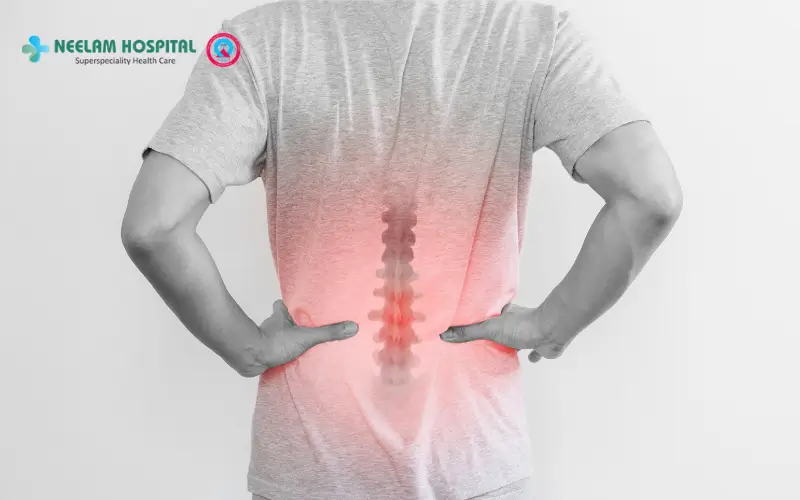
Spine pain is a common issue that affects millions of people worldwide. It can arise from various factors such as poor posture, injury, or underlying medical conditions. Whether you’re dealing with acute or chronic spine pain, understanding treatment options and seeking timely medical advice can significantly improve your quality of life. This article provides an overview of spine pain treatment, helping you make informed decisions for long-term relief. Understanding Spine Pain The spine, or backbone, is crucial for providing structure, support, and mobility to the body. It consists of 33 vertebrae that protect the spinal cord, which controls many of the body’s functions. When there is an issue with the spine—such as misalignment, disc degeneration, or injury it can lead to significant discomfort. Causes of Spine Pain Spine pain can arise from various causes, including: Poor Posture: Slouching or sitting incorrectly for extended periods can strain the muscles and ligaments in the back. Injuries: Falls or accidents can result in sprains, fractures, or herniated discs. Degenerative Conditions: Conditions like osteoarthritis or degenerative disc disease cause the spine to wear down over time. Sciatica: Compression or irritation of the sciatic nerve can cause pain radiating from the lower back down to the legs. Spinal Stenosis: The narrowing of the spinal canal can lead to nerve compression and pain. Understanding the root cause of spine pain is essential for selecting the most effective treatment. Treatment Options for Spine Pain Treatment for spine pain typically involves a combination of non-invasive and, in some cases, surgical options. Below, we outline some of the most common methods of spine pain treatment. Physical Therapy (PT) Physical therapy is often the first treatment approach for spine pain. A qualified physical therapist will design a personalized exercise program to strengthen muscles supporting the spine and improve flexibility. PT helps reduce pain, prevent further injuries, and restore function. It is particularly effective for conditions such as herniated discs, sciatica, and muscle strains. Key Benefits: Reduces pain and inflammation Strengthens muscles and improves posture Restores mobility and flexibility Medication for Spine Pain Medications are commonly used to manage pain and inflammation associated with spine conditions. These may include: Over-the-counter pain relievers (e.g., ibuprofen, acetaminophen) for mild pain. Prescription medications such as muscle relaxants or stronger pain relievers for severe pain. Anti-inflammatory drugs (NSAIDs) to reduce swelling and inflammation. Corticosteroid injections for more targeted pain relief, especially in cases of herniated discs or spinal stenosis. While medication can be effective for managing spine pain, it’s important not to rely solely on painkillers, as long-term use can cause side effects. Chiropractic Care Chiropractors use hands-on techniques to adjust and realign the spine. These adjustments aim to restore proper spinal alignment, which can help relieve pain caused by muscle spasms, herniated discs, or sciatica. Chiropractic care offers a non-invasive option for individuals dealing with musculoskeletal pain. Benefits of Chiropractic Adjustments: Non-surgical, drug-free approach Improves spinal mobility and flexibility Reduces muscle tension and pain Massage Therapy Massage therapy is another non-invasive method for relieving spine pain. It targets soft tissues like muscles, ligaments, and tendons around the spine. Regular massages can reduce muscle tension, improve blood circulation, and promote relaxation. This treatment is particularly helpful for those experiencing chronic muscle pain, stress, or tension in the back. Key Benefits: Relieves muscle tension and spasms Enhances relaxation and reduces stress Improves blood flow and reduces swelling Surgical Treatment In cases where conservative treatments fail to provide relief, surgery may be an option. Surgical treatments for spine pain include procedures such as spinal fusion, disc replacement, or laminectomy. Surgery is usually reserved for conditions like severe herniated discs, spinal stenosis, or fractures that do not respond to non-invasive treatments. Types of Spine Surgery: Spinal Fusion: Fuses two or more vertebrae to eliminate painful movement. Discectomy: Removes damaged portions of a herniated disc. Laminectomy: Removes part of the vertebrae to relieve pressure on the spinal cord or nerves. Surgery is typically considered a last resort after other treatment options have been explored. Lifestyle Modifications Along with medical treatments, certain lifestyle changes can help prevent and manage spine pain. Consider incorporating the following: Maintain a Healthy Weight: Extra weight can strain the spine, particularly the lower back. Practice Good Posture: Proper posture reduces the risk of back strain and helps maintain spinal health. Exercise Regularly: Low-impact exercises like walking, swimming, or yoga help strengthen muscles and support the spine. Use Ergonomic Furniture: Proper seating and workstation setups prevent poor posture and reduce the risk of chronic pain. When to Seek Medical Advice If spine pain persists for more than a few days, worsens with movement, or is accompanied by other symptoms such as numbness, weakness, or fever, it is crucial to seek medical attention. Early intervention can help prevent further complications and promote quicker recovery. Conclusion Spine pain can significantly affect your daily activities, but it doesn’t have to be permanent. From physical therapy and chiropractic care to surgery, there are various treatment options available to help manage and alleviate spine pain. By understanding the causes of spine pain and the treatments available, you can make an informed decision to restore your spinal health. Remember that a personalized treatment plan is key to long-term success. If you’re experiencing spine pain, it’s always best to consult a healthcare professional to determine the most effective treatment for your specific condition. At Neelam Hospital, we provide comprehensive spine care and personalized treatment options to help you regain a pain-free lifestyle.
Read More →
Maintaining a healthy lifestyle is essential for long-term wellness and overall quality of life. From preventing chronic diseases to boosting energy and mental well-being, healthy habits play a crucial role at every stage of life. In Punjab, where food culture, lifestyle patterns, and work habits can influence health, adopting sustainable wellness practices is especially important. At Neelam Hospital, we emphasize proactive health management and provide guidance on healthy lifestyle tips in Punjab to help individuals live healthier, more fulfilling lives. Importance of a Healthy Lifestyle A healthy lifestyle is more than just exercise or diet; it is a balanced approach to physical, mental, and emotional well-being. Key benefits include: Reduced risk of chronic diseases such as diabetes, hypertension, and heart conditions Improved energy levels and physical stamina Better mental health and stress management Enhanced immunity and overall longevity By integrating healthy habits into daily life, individuals can prevent illness, maintain optimal body weight, and enjoy an active lifestyle. Key Tips for a Healthy Lifestyle in Punjab 1. Balanced Diet Diet plays a vital role in overall health. In Punjab, traditional diets are often rich and flavorful, which can be both nutritious and indulgent. For long-term wellness: Include plenty of fresh fruits and vegetables Choose whole grains over refined flour Incorporate lean proteins such as lentils, fish, and poultry Limit excessive sugar, fried foods, and high-fat snacks 2. Regular Physical Activity Exercise strengthens the body, improves cardiovascular health, and supports mental well-being. Recommended activities include: Daily brisk walking or jogging Yoga and stretching exercises for flexibility Strength training or bodyweight exercises Outdoor sports or recreational activities 3. Adequate Sleep Quality sleep is essential for physical recovery and mental clarity. Adults should aim for 7–8 hours per night, while children and teenagers may require more. 4. Stress Management Chronic stress can negatively impact physical and mental health. Strategies for stress reduction include: Meditation or deep-breathing exercises Mindfulness and relaxation techniques Regular breaks from work and digital devices Engaging in hobbies and recreational activities 5. Preventive Health Checkups Regular medical checkups are crucial for early detection of health issues. Neelam Hospital recommends routine screenings for blood pressure, cholesterol, diabetes, and other age-appropriate tests. 6. Hydration and Hygiene Drink sufficient water throughout the day to maintain hydration Practice good personal hygiene to prevent infections and illnesses Lifestyle Tips Specific to Punjab While the above habits are universal, residents of Punjab can benefit from specific adjustments: Incorporate seasonal vegetables and traditional grains like bajra and jowar for nutrient-rich meals Limit heavy ghee-based dishes and replace them with healthier cooking oils Stay active in everyday life, including farming, walking in local parks, or participating in community sports These small but meaningful changes can lead to significant long-term health benefits. Frequently Asked Questions Q1. How can I start a healthy lifestyle if I am very busy? Begin with small, manageable changes like daily 15–20 minute walks, incorporating fruits into meals, and practicing short stress-relief exercises. Q2. How important is diet compared to exercise? Both are equally important. A balanced diet fuels the body, while exercise strengthens it and supports overall wellness. Q3. How often should I get preventive health checkups? Most adults should get a basic health checkup once a year. High-risk individuals may require more frequent monitoring. Q4. Can mental health affect physical health? Yes. Stress, anxiety, and sleep deprivation can weaken immunity and increase the risk of chronic diseases. Mental wellness is an integral part of a healthy lifestyle. Final Thoughts Adopting a healthy lifestyle is a lifelong journey that requires commitment and consistency. By incorporating balanced nutrition, regular exercise, proper sleep, stress management, and preventive healthcare, individuals in Punjab can enjoy long-term wellness and a higher quality of life. At Neelam Hospital, we guide our patients with practical healthy lifestyle tips in Punjab and provide support for preventive care and overall wellness. Start today and take proactive steps toward a healthier, happier future.
Read More →
For patients with chronic kidney disease, regular dialysis treatment in Punjab is often a lifeline. Dialysis helps maintain kidney function by removing waste products and excess fluids from the blood, providing patients with relief and improved quality of life. At Neelam Hospital, patients benefit from state-of-the-art dialysis facilities, expert nephrologists, and personalized care tailored to their health needs. Understanding Dialysis Dialysis is a medical procedure that performs the functions of healthy kidneys when they fail. There are two main types: Hemodialysis: Blood is filtered through a machine to remove waste and excess fluids.  Peritoneal Dialysis: A cleansing solution is introduced into the abdominal cavity to absorb waste, which is then drained.  While dialysis is life-saving, a kidney transplant is often the long-term solution. Until then, dialysis ensures patients can lead normal and active lives. Why Dialysis Treatment in Punjab Is Essential Chronic kidney disease is increasingly prevalent in Punjab due to lifestyle factors, diabetes, and hypertension. Access to high-quality dialysis is critical for: Maintaining stable health  Reducing complications from kidney failure  Improving overall quality of life  Providing a bridge to kidney transplantation, if required  Advanced Dialysis Services at Neelam Hospital Neelam Hospital is recognized as one of the best hospitals for dialysis treatment in Punjab because of: Modern Dialysis Units: Equipped with the latest hemodialysis and peritoneal dialysis machines.  Experienced Nephrologists: Experts who monitor patients closely and adjust treatment plans.  Comprehensive Care: Regular health assessments, dietary guidance, and medication management.  24×7 Support: Immediate attention in case of complications during treatment.  Patient Comfort: Comfortable treatment environment with strict hygiene and safety protocols.  Patient-Centric Approach to Dialysis Every dialysis patient at Neelam Hospital receives: Personalized Treatment Plans: Based on health condition, age, and medical history.  Regular Monitoring: Vital signs, kidney function, and lab tests during every session.  Lifestyle Guidance: Nutritional counseling and exercise advice to improve kidney health.  Emotional Support: Guidance to help patients manage the challenges of chronic treatment.  This approach ensures that patients not only survive but thrive during dialysis treatment. Dialysis vs Kidney Transplant While dialysis is effective, it is usually a temporary solution for end-stage kidney disease. Benefits of a kidney transplant include: Long-term kidney function restoration  Reduced dependence on frequent hospital visits  Improved quality of life and energy levels  Longer life expectancy  At Neelam Hospital, patients receive expert advice on when a kidney transplant may be the most appropriate next step. Frequently Asked Questions (FAQs) How often is dialysis required? Typically, hemodialysis is required 2–3 times a week, depending on the patient’s condition. Is dialysis painful? Dialysis is generally painless. Some patients may feel minor discomfort during needle insertion for hemodialysis. How much does dialysis treatment cost in Punjab? Costs vary depending on the type of dialysis and individual health requirements. Neelam Hospital offers affordable and transparent pricing. Can dialysis patients live a normal life? Yes, with proper care, dialysis patients can continue to work, travel, and maintain a good quality of life. Why Choose Neelam Hospital for Dialysis Treatment in Punjab? Experienced nephrologists and trained dialysis staff  Advanced, hygienic, and comfortable dialysis units  Personalized care plans for every patient  Round-the-clock monitoring and support  Proven track record of patient safety and successful outcomes  Book a Dialysis Consultation Today If you or a loved one needs dialysis treatment in Punjab, Neelam Hospital is here to provide expert care, cutting-edge facilities, and compassionate support throughout your treatment journey. 👉 Book Your Dialysis Consultation at Neelam Hospital Today
Read More →
Back pain is one of the most common health complaints among people of all ages. Whether it arises from long hours of desk work, injuries, or age-related conditions, spine pain can severely affect daily life and overall well-being. For many patients, the struggle begins with mild discomfort but gradually progresses to chronic pain, making even simple movements challenging. At Neelam Hospital, we understand how debilitating back problems can be. Our specialized orthopedic and neurosurgery teams offer advanced and comprehensive solutions for spine pain treatment in Punjab, ensuring that every patient receives care tailored to their specific needs. Common Causes of Spine Pain Spine pain may occur due to a variety of reasons, ranging from lifestyle habits to underlying medical conditions. Some of the most frequent causes include: Poor posture and sedentary lifestyle – Long hours of sitting at desks or working on computers can strain the back muscles and spine.  Degenerative conditions – Disorders such as osteoarthritis or degenerative disc disease often lead to persistent back pain.  Herniated or slipped discs – When spinal discs press against nerves, it results in sharp pain, numbness, or weakness.  Injuries and fractures – Accidents or falls can cause traumatic injuries that affect spinal stability.  Spinal deformities – Conditions like scoliosis or kyphosis may lead to chronic pain and discomfort.  Identifying the root cause is the first step toward designing the right treatment plan. Advanced Diagnostic Tools At Neelam Hospital, accurate diagnosis is at the heart of effective treatment. Our team uses advanced imaging technologies such as MRI, CT scans, and digital X-rays to assess the condition of the spine. With these tools, we can pinpoint the exact problem and determine whether non-surgical or surgical intervention is required. Treatment Options at Neelam Hospital When it comes to spine pain treatment in Punjab, Neelam Hospital offers a wide range of medical, non-invasive, and surgical solutions: Non-Surgical Treatments In many cases, spine pain can be managed without surgery. These options include: Medication for pain relief and inflammation control  Physiotherapy and rehabilitation to strengthen muscles and improve mobility  Lifestyle modifications such as posture correction and ergonomic adjustments  Minimally Invasive Procedures For patients who require more than conservative care, Neelam Hospital provides advanced minimally invasive treatments, which result in smaller incisions, less scarring, and faster recovery. Surgical Options In cases of severe conditions like herniated discs, spinal stenosis, or fractures, surgery may be the most effective option. Our team of skilled neurosurgeons and orthopedic specialists ensures that surgeries are performed with precision and the highest safety standards. Rehabilitation and Recovery Successful treatment of spine pain does not end with the procedure. Rehabilitation plays an equally vital role in ensuring long-term relief. At Neelam Hospital, our physiotherapy and rehabilitation experts work closely with patients to restore mobility, strengthen the spine, and prevent recurrence. Customized recovery plans may include physiotherapy exercises, lifestyle counseling, and regular follow-ups with our specialists. Why Choose Neelam Hospital for Spine Pain Treatment in Punjab? Multidisciplinary team of neurosurgeons, orthopedic surgeons, and physiotherapists  State-of-the-art diagnostic and surgical facilities  Personalized treatment plans for every patient  Focus on both short-term relief and long-term spine health  Our goal is not just to treat pain but to improve the overall quality of life for our patients. Frequently Asked Questions Q1. How do I know if my back pain is serious? If your pain lasts for more than a few weeks, worsens over time, or is accompanied by numbness or weakness in the legs, you should consult a specialist. Q2. Is surgery always required for spine problems? No. Most spine issues can be managed with non-surgical treatments. Surgery is recommended only when conservative treatments fail. Q3. How long does it take to recover from spine surgery? Recovery depends on the type of surgery. Minimally invasive procedures allow quicker recovery, while more complex surgeries may require several weeks of rehabilitation. Q4. Can lifestyle changes reduce back pain? Yes. Maintaining good posture, regular exercise, and ergonomic work habits can significantly reduce the risk of spine pain. Final Thoughts Back and spine problems should never be ignored, as they can progress and affect overall health and mobility. If you are looking for reliable and advanced solutions for spine pain treatment in Punjab, Neelam Hospital provides world-class care with the expertise of top specialists. Take control of your health today—schedule an appointment with our spine care experts and start your journey towards a pain-free life.
Read More →
Plastic surgery is no longer limited to cosmetic enhancements—it plays a vital role in both reconstructive and aesthetic procedures that restore confidence and improve quality of life. With rising awareness and advancements in medical technology, plastic surgery in Punjab has become more accessible and safer than ever before. At Neelam Hospital, one of Punjab’s most trusted multispecialty hospitals, patients benefit from a wide range of plastic surgery services performed by highly qualified specialists in a safe and professional environment. Understanding Plastic Surgery Plastic surgery is a specialized branch of medicine that involves restoring, reconstructing, or enhancing physical appearance and function. It is broadly divided into two categories: Reconstructive Surgery: Focuses on correcting abnormalities caused by accidents, burns, birth defects, or medical conditions. Cosmetic (Aesthetic) Surgery: Aimed at improving appearance, enhancing beauty, and boosting self-confidence. Common Plastic Surgery Procedures at Neelam Hospital Neelam Hospital offers a comprehensive range of plastic surgery treatments in Punjab, including: 1. Reconstructive Surgery Burn reconstruction and scar management Skin grafting and flap surgeries Hand surgery for trauma or deformities Correction of congenital abnormalities (e.g., cleft lip and palate) 2. Cosmetic Surgery Rhinoplasty (nose reshaping) Liposuction and body contouring Tummy tuck (abdominoplasty) Breast augmentation, reduction, or reconstruction Facelift, eyelid surgery, and anti-aging procedures 3. Skin & Aesthetic Treatments Laser treatments for scars, pigmentation, and wrinkles Botox and dermal fillers Hair restoration treatments Why Patients Choose Plastic Surgery in Punjab The demand for plastic surgery in Punjab has increased significantly due to: Growing awareness of safe, advanced techniques Affordable treatment options compared to metro cities Improved success rates and natural-looking results Availability of specialized surgeons and modern facilities at hospitals like Neelam Hospital Patient-Centered Care at Neelam Hospital Plastic surgery is not just about appearance—it’s about restoring confidence, function, and overall well-being. At Neelam Hospital, every patient receives: Personalized consultation to understand needs and goals Detailed treatment planning with clear cost estimates Safe surgical environment with advanced OT facilities Post-surgery follow-up care for faster recovery Psychological support to help patients feel comfortable and confident Recovery and Aftercare The recovery process depends on the type of surgery performed. At Neelam Hospital, patients are guided through every stage: Initial Phase (1–2 weeks): Rest, wound care, and follow-ups Intermediate Phase (1–3 months): Gradual healing, swelling reduction, and activity resumption Long-Term: Visible results, improved confidence, and normal lifestyle resumption Proper aftercare, including diet, skincare, and follow-up visits, ensures long-lasting results. Frequently Asked Questions (FAQs) Is plastic surgery safe? Yes, when performed by qualified surgeons in a hospital setting like Neelam Hospital, plastic surgery is safe and effective. How much does plastic surgery cost in Punjab? The cost depends on the type of procedure. Neelam Hospital ensures affordable pricing with world-class care. Will I have scars after plastic surgery? Modern surgical techniques minimize scarring. In most cases, scars fade significantly over time. How long does it take to recover from cosmetic surgery? Recovery varies, but most patients return to normal activities within a few weeks. Why Choose Neelam Hospital for Plastic Surgery in Punjab? Team of highly trained plastic surgeons Advanced surgical and aesthetic equipment 24×7 medical support for complete safety Focus on both function and aesthetics Proven track record of successful outcomes and happy patients Book Your Consultation Today If you are considering plastic surgery in Punjab, Neelam Hospital provides world-class treatments with compassionate care. Whether for reconstruction or cosmetic enhancement, our experts ensure safe procedures and natural results. 👉 Book Your Plastic Surgery Consultation at Neelam Hospital Today
Read More →