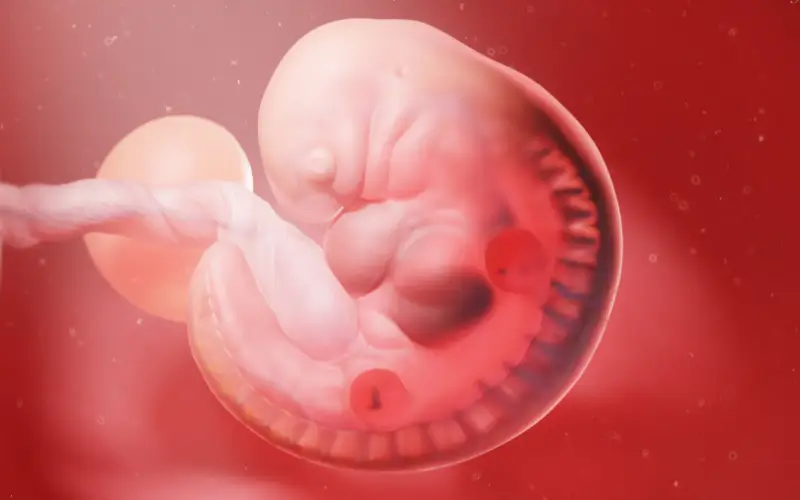

At Neelam Hospital, our Embryology department specializes in advanced reproductive medicine, offering state-of-the-art fertility treatments to help couples achieve their dream of parenthood. Our expert embryologists and fertility specialists use cutting-edge technology to enhance fertility outcomes with precision and care.
At Neelam Hospital, our Embryology Department is led by Dr. Ram Dayal, a highly qualified Embryologist with extensive expertise in Assisted Reproductive Technology (ART), IVF, Human Embryology, and Reproductive Genetics. He holds a Ph.D. in Biotechnology (Specialization in IVF) and has been awarded an Honorary Doctorate in Human Embryology & Reproductive Genetics (USA) in recognition of his contributions to reproductive medicine and fertility science.
With years of experience in advanced IVF laboratory procedures, Dr. Ram Dayal specializes in embryo culture, embryo selection, fertilization techniques, cryopreservation, and reproductive genetics. His scientific expertise and commitment to excellence help ensure that patients at Neelam Hospital receive high-quality Advanced Fertility Care supported by advanced embryology practices.
Dr. Dayal works closely with fertility specialists to optimize embryo development and improve treatment outcomes through evidence-based protocols and modern laboratory technologies. His patient-centered approach, combined with continuous advancements in reproductive science, supports individuals and couples throughout their fertility journey.
At Neelam Hospital, the IVF embryology process is performed with advanced laboratory techniques and strict quality control at every stage. Our goal is to ensure safe handling of embryos and improve the chances of a successful pregnancy through precise scientific care.
1. Egg Retrieval
Eggs are gently collected from the ovaries using a safe, minimally invasive procedure performed under expert supervision. This step is carefully timed to obtain the best quality eggs for fertilization.
2. Sperm Preparation
The semen sample is processed in the laboratory to separate and select the healthiest and most active sperm. This helps improve fertilization success and embryo quality.
3. Fertilization (IVF / ICSI)
In this stage, eggs and sperm are combined in a controlled laboratory environment. Depending on the patient’s condition, either conventional IVF or ICSI (Intracytoplasmic Sperm Injection) is used to achieve fertilization.
4. Embryo Culture
After fertilization, embryos are placed in specialized incubators where they are carefully monitored. Embryologists track their growth and development under optimal temperature and conditions.
5. Blastocyst Development
Embryos are allowed to develop for 5 to 6 days until they reach the blastocyst stage. This stage helps identify the most viable embryos with higher implantation potential.
6. Genetic Testing (PGT – If Required)
In selected cases, embryos may undergo Preimplantation Genetic Testing (PGT) to check for chromosomal or genetic abnormalities. This supports healthier embryo selection and better treatment outcomes.
7. Embryo Transfer
The healthiest embryo is selected and carefully transferred into the uterus. This is a simple and painless procedure that plays a key role in achieving pregnancy.
8. Cryopreservation (Embryo Freezing)
Any additional high-quality embryos can be safely frozen using advanced cryopreservation techniques. These embryos can be used in future treatment cycles if needed.
At Neelam Hospital, we understand that fertility treatment is a deeply personal journey. Our compassionate team provides emotional and medical support throughout the process, ensuring a stress-free and hopeful experience.
If you’re seeking expert fertility care, our Embryology specialists at Neelam Hospital are here to guide you. Let us help you take the next step toward parenthood with cutting-edge fertility solutions.
Ans: Embryology in IVF is the science of creating, monitoring, and developing embryos in a specialized laboratory during fertility treatment. After eggs are collected and fertilized with sperm, embryologists carefully observe embryo growth and select the healthiest embryos for transfer. Advanced embryology techniques play an important role in improving IVF outcomes and supporting successful pregnancies. At Neelam Hospital, our advanced embryology laboratory supports patients seeking the Best IVF Treatment in Punjab through precise embryo assessment and evidence-based fertility care.
Ans: An embryologist is a fertility specialist who works in an IVF laboratory and manages the crucial stages of embryo development. Their responsibilities include handling eggs and sperm, performing fertilization procedures such as ICSI, monitoring embryo growth, freezing embryos, and ensuring optimal laboratory conditions. Their expertise helps maximize the chances of successful fertilization and implantation.
Ans: Embryo freezing, also known as embryo cryopreservation, is a process that allows embryos to be safely preserved for future use. Using advanced freezing techniques, embryos can remain stored for years while maintaining their quality. This option provides flexibility for individuals and couples who wish to delay pregnancy, undergo additional fertility treatments, or preserve fertility for future family planning.
Ans: Blastocyst culture is an advanced IVF laboratory technique in which embryos are grown for five to six days before transfer. During this period, embryologists closely monitor embryo development and identify those with the highest potential for implantation. Blastocyst transfer may improve embryo selection and can contribute to better pregnancy outcomes in suitable patients.
Ans: The success of IVF depends on several factors, including age, reproductive health, embryo quality, and the fertility treatment plan. Advanced embryology techniques, modern laboratory technology, and careful embryo monitoring can help improve embryo development and selection. While success rates vary from person to person, high-quality embryology services can positively influence IVF outcomes.
Ans: Preimplantation Genetic Testing (PGT) is a specialized procedure used to examine embryos for certain genetic or chromosomal abnormalities before embryo transfer. A small sample of cells is carefully analyzed to identify healthy embryos with normal chromosome numbers. PGT may help reduce the risk of genetic conditions and support informed fertility treatment decisions for eligible patients.