March 30, 2026 10:38 am
Complete Guide to Robotic Nephrectomy Surgery: Benefits, Procedure & Recovery
Kidney-related conditions often require surgical treatment, especially when severe damage or disease affects the kidney. Robotic nephrectomy is one of the advanced procedures performed using robotic surgery in Punjab, helping patients benefit from minimally invasive treatment and faster recovery. It combines surgical expertise with modern technology, offering better precision and improved patient outcomes. This guide explains everything you need to know in a simple and clear way.
What is Robotic Nephrectomy Surgery?
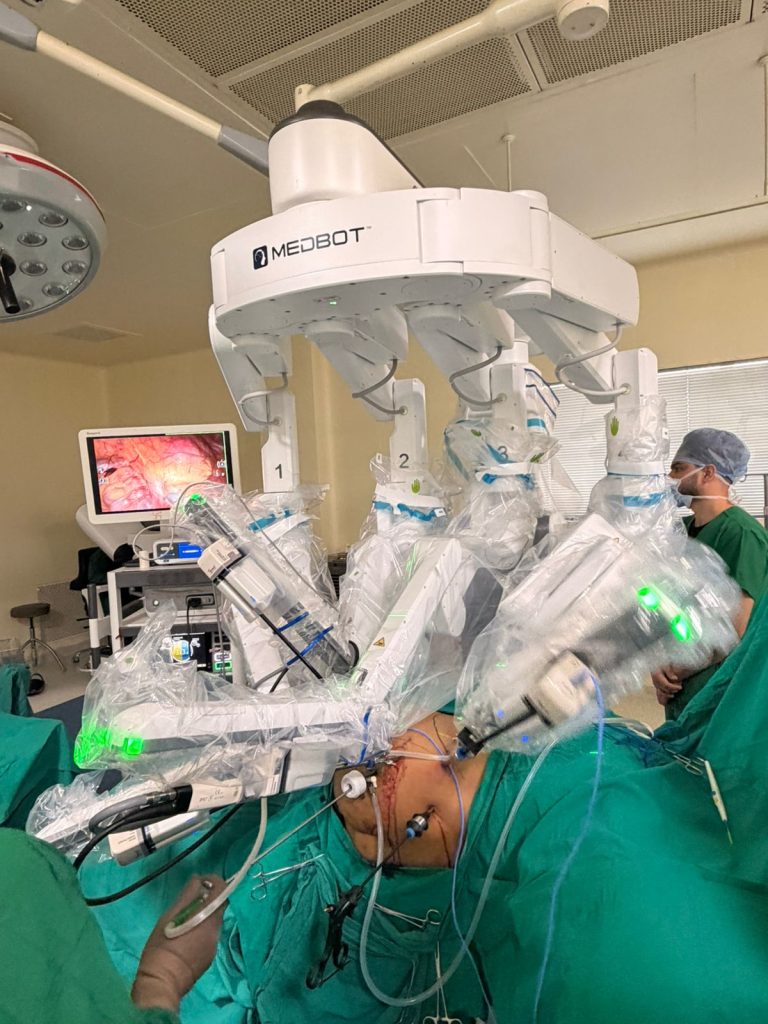
Surgeons perform robotic nephrectomy surgery as a minimally invasive procedure to remove part or all of a kidney using an advanced robotic system. The surgeon controls robotic arms through a console, allowing highly precise movements.
Unlike traditional open surgery, this approach uses small incisions, which means less pain and faster healing. Doctors commonly recommend this procedure for conditions such as kidney tumors, severe infections, or non-functioning kidneys.
Benefits of Robotic Surgery
Robotic technology has improved the way kidney surgeries are performed. Here are some key benefits:
- Smaller incisions leading to minimal scarring
- Less blood loss during surgery
- Reduced pain after the procedure
- Faster recovery time compared to open surgery
- Shorter hospital stay
- Greater surgical precision, which helps protect surrounding tissues
In addition, patients often return to their daily routine sooner. Therefore, robotic nephrectomy surgery is considered a preferred option in many cases.
Procedure Steps
Understanding the procedure can help reduce anxiety and prepare you better. The steps generally include:
- Pre-surgical evaluation
Before surgery, doctors perform tests such as blood work, imaging scans, and overall health assessment.
- AnesthesiaThe procedure is done under general anesthesia, so the patient remains comfortable throughout.
- Small incisionsThe surgeon makes a few small cuts in the abdomen to insert robotic instruments.
- Robotic assistanceUsing a high-definition 3D view, the surgeon carefully removes the affected kidney or part of it.
- ClosureAfter the procedure, the incisions are closed, and the patient is shifted to recovery.
Overall, the surgery is performed with high accuracy, which improves safety and outcomes.
Risks & Recovery
Like any surgery, robotic nephrectomy surgery has some risks, although they are generally low. These may include infection, bleeding, or reaction to anesthesia. However, proper medical care reduces these risks significantly.
- Recovery Process:
- Most patients stay in the hospital for 2–4 days
- Light activities can usually be resumed within 1–2 weeks
- Full recovery may take a few weeks depending on individual health
Doctors also provide detailed post-surgery instructions, including diet, medication, and follow-up visits. As a result, patients can recover smoothly with proper care.
Why Choose Neelam Hospital for Robotic Nephrectomy
At Neelam Hospital, patients receive advanced care supported by modern technology and experienced specialists. The hospital focuses on accurate diagnosis, safe procedures, and personalized treatment plans.
One of the key strengths is the expertise of Dr. Nitin Gupta, M.S, M.Ch. (SGPGI), Ex. Assistant Professor Urology, PGI Chandigarh, Director – Urology & Kidney Transplant. With extensive experience in urology and kidney transplant procedures, he ensures careful evaluation and precise surgical care for every patient.
Moreover, the hospital provides a patient-friendly environment, advanced robotic systems, and dedicated post-operative support. This combination helps patients feel confident and well-supported throughout their treatment journey.
Final Thoughts
Robotic nephrectomy surgery has transformed kidney treatment by offering a safer and more comfortable alternative to traditional surgery. With benefits like faster recovery, minimal pain, and improved precision, it has become a reliable option for many patients.
If you are considering this procedure, consulting an experienced specialist is the first step toward better health.
Also Check :- https://neelamhospital.com/robotic-gallbladder-removal-surgery/
FAQs
1. Is robotic nephrectomy surgery safe?
Experienced surgeons generally perform robotic nephrectomy surgery safely using advanced technology. The robotic system allows better precision and control during the procedure, which helps reduce the chances of complications. In addition, smaller incisions lower the risk of infection and support faster healing. However, like any surgery, it is important to follow medical advice before and after the procedure for the best outcome.
2. How long does the surgery take?
The duration of robotic nephrectomy surgery usually ranges between 2 to 4 hours, depending on the patient’s condition and the complexity of the case. Factors such as whether a partial or complete
kidney removal is needed can also affect the time. Before the procedure, your doctor will explain the expected duration and what to expect during surgery.
3. Will I have a large scar?
No, one of the key advantages of robotic nephrectomy surgery is that it involves small incisions instead of a large cut. As a result, scarring is minimal and less visible compared to traditional open surgery. Over time, these small scars usually fade and become less noticeable with proper care.
4. When can I return to normal activities?
Most patients can return to light daily activities within 1 to 2 weeks after surgery. However, full recovery may take a few weeks depending on overall health and the type of procedure performed. Doctors usually recommend avoiding heavy lifting or strenuous activities for some time. Following post-surgery instructions and attending follow-up visits helps ensure a smooth and safe recovery.