Gynecological surgery has changed with advances in minimally invasive techniques. Robotic surgery in gynecology offers surgeons enhanced visualization, precise instrument control, and access through small incisions for selected procedures. However, robotic surgery does not suit every patient or every condition. The treating gynecologist or surgeon considers the diagnosis, medical history, surgical complexity, and overall health before recommending an approach.
For patients in Rajpura, Punjab, understanding the available surgical options can make treatment discussions easier. This guide explains robotic gynecology procedures, potential benefits, patient suitability, recovery, and important factors to consider before surgery.
Robotic gynecologic surgery is a minimally invasive surgical approach. The surgeon controls specialized instruments from a console during the procedure. The system does not operate independently. A trained surgeon controls every surgical movement.
The approach can provide an enlarged view of the surgical area. It can also offer precise instrument movement during selected procedures. Surgeons may use these features when operating in confined areas of the pelvis.
Robotic surgery usually involves small abdominal incisions rather than one larger abdominal incision. The exact surgical approach depends on the condition and planned procedure.
For patients exploring gyne robotic surgery in Punjab, it is important to understand that robotic surgery is a surgical technique, not a treatment for one specific disease. Doctors may consider it for different gynecological conditions when minimally invasive surgery fits the patient's needs.
Doctors may consider robotic surgery for several gynecological procedures. Suitability depends on the diagnosis, anatomy, previous surgeries, disease severity, and the surgeon's assessment.
A hysterectomy removes the uterus. Doctors may recommend it for selected conditions such as certain fibroids, persistent symptoms, uterine conditions, or some gynecological cancers.
A robotic hysterectomy uses minimally invasive access when the surgical team considers this approach appropriate.
The type of hysterectomy can vary. Some procedures remove the uterus while others may also involve the cervix or additional reproductive organs.
Robotic hysterectomy does not suit every patient with a uterine condition. Your gynecologist will discuss the reason for surgery and available alternatives before making a recommendation.
A myomectomy removes uterine fibroids while preserving the uterus. Doctors may consider this option for selected patients who need surgical treatment for fibroids.
Robotic myomectomy can provide minimally invasive access in suitable cases. The surgical plan depends on the number, size, location, and depth of the fibroids.
The patient's symptoms, reproductive plans, medical history, and overall health also matter when selecting the procedure.
Endometriosis can cause pelvic pain, painful periods, and other symptoms. Some patients may require surgery when medication or other treatment options do not provide adequate control.
Robotic surgery may help surgeons access difficult areas of the pelvis in selected cases. The surgeon may remove visible endometriosis lesions or treat affected tissue according to the surgical plan.
Not every patient with endometriosis needs surgery. A gynecological assessment helps determine whether surgery has a role in the patient's treatment.
Many ovarian cysts do not require surgery. Doctors may recommend monitoring or other management depending on the cyst's characteristics and the patient's symptoms.
When surgery becomes appropriate, selected ovarian cyst procedures may use a robotic approach. The exact technique depends on the cyst, surrounding anatomy, and clinical assessment.
The surgical team may also consider the patient's age, reproductive goals, and other medical factors.
Robotic surgery may also have a role in selected pelvic and gynecological procedures. These can include certain pelvic masses and some gynecologic cancer surgeries.
Cancer surgery requires particularly careful planning. The surgical team considers the type and stage of cancer, anatomy, previous treatment, and established treatment guidelines.
Therefore, robotic surgery should never be viewed as automatically appropriate for every gynecological condition.
Robotic surgery may suit some patients who need minimally invasive gynecological surgery. However, suitability requires an individual medical assessment.
Your gynecologist may consider:Your doctor may also recommend conventional laparoscopy or open surgery when those approaches better fit your condition.
A consultation should therefore focus on the right surgical approach for you, rather than choosing robotic surgery simply because it uses newer technology.
Robotic surgery may offer several potential benefits in selected gynecological procedures.
Minimally Invasive AccessRobotic procedures generally use small incisions. This approach can reduce the size of abdominal surgical wounds compared with traditional open surgery.
Enhanced VisualizationThe surgeon can view the operative area through a magnified surgical image. This can help with detailed work in the pelvis.
Precise Instrument MovementRobotic instruments can provide controlled movement during selected procedures. This may help surgeons perform complex surgical steps through minimally invasive access.
Recovery ConsiderationsMinimally invasive gynecological surgery can support a shorter hospital stay and earlier return to normal activities compared with some open procedures. However, recovery varies significantly between patients and procedures.
It is also important to compare robotic surgery with conventional laparoscopy. Robotic surgery does not automatically provide better outcomes than every other surgical method.
The potential benefits depend on the procedure, surgeon experience, patient factors, and clinical circumstances.
Both robotic and open surgery have an important role in gynecological care. The appropriate surgical approach depends on the patient's condition, diagnosis, medical history and the complexity of the procedure.
| Factor | Robotic Surgery | Traditional Open Surgery |
|---|---|---|
| Incisions | Usually smaller incisions | Usually one larger abdominal incision |
| Visualization | Magnified surgical view | Direct surgical view |
| Instrument Control | Specialized robotic instruments controlled by the surgeon | Conventional surgical instruments |
| Recovery | May allow shorter recovery in selected procedures | May require a longer recovery in some cases |
| Suitability | Depends on diagnosis and surgical complexity | May suit complex conditions where open access is appropriate |
This comparison does not mean that one surgical approach is universally better. A gynecologist or surgeon will recommend an appropriate approach after considering the patient's individual medical needs.
Recovery after robotic gynecology surgery varies from person to person.
The type of procedure plays a major role. A robotic hysterectomy may have different recovery requirements from a robotic myomectomy or another complex pelvic procedure.
Your recovery can also depend on:After surgery, your medical team may provide instructions about wound care, medicines, activity, bathing, driving, work, exercise, and follow-up appointments.
Do not compare your recovery with another patient's experience. Follow the instructions provided by your treating surgeon.
Contact your medical team if you develop concerning symptoms after surgery. These may include heavy bleeding, worsening pain, fever, breathing difficulty, or other symptoms that your doctor has asked you to watch for.
You should consider a gynecological consultation when you have persistent or unexplained symptoms.
These may include:These symptoms do not automatically mean you need robotic surgery. A gynecologist can assess your symptoms, review relevant tests, and explain the available treatment options.
Patients searching for gyne robotic surgery in Punjab should first focus on proper diagnosis and specialist consultation.
Robotic surgery involves more than the surgical technology itself. The surgeon must assess whether the robotic approach fits the patient's condition and treatment goals.
Patients in Rajpura and nearby areas can discuss their gynecological concerns with qualified specialists before deciding on surgery.
During your consultation, consider asking:These questions can help you make an informed decision with your treating medical team.

Neelam Hospital is based in Rajpura, Punjab, and provides gynecology consultation for patients seeking evaluation and treatment options.
Patients can discuss their symptoms, diagnosis, and surgical requirements with the hospital's gynecology specialists. The medical team can assess whether robotic surgery or another surgical approach may be appropriate.
The focus should always remain on individualized treatment. Robotic surgery is performed only when the treating surgical team considers it clinically appropriate.
For patients from Rajpura and nearby areas, a specialist consultation can help clarify the diagnosis, available procedures, expected recovery, and next steps.
Meet the Gynecology Specialists at Neelam Hospital, RajpuraDr. Shikha Gupta provides gynecology care at Neelam Hospital, Rajpura. Patients can discuss gynecological concerns, diagnosis, and available treatment options during consultation.
Patients can consult Dr. Gaurika Aggarwal for evaluation of gynecological concerns and discussion of suitable treatment approaches.
If robotic surgery becomes a consideration, the treating specialist can explain whether it fits the patient's diagnosis and overall medical situation.
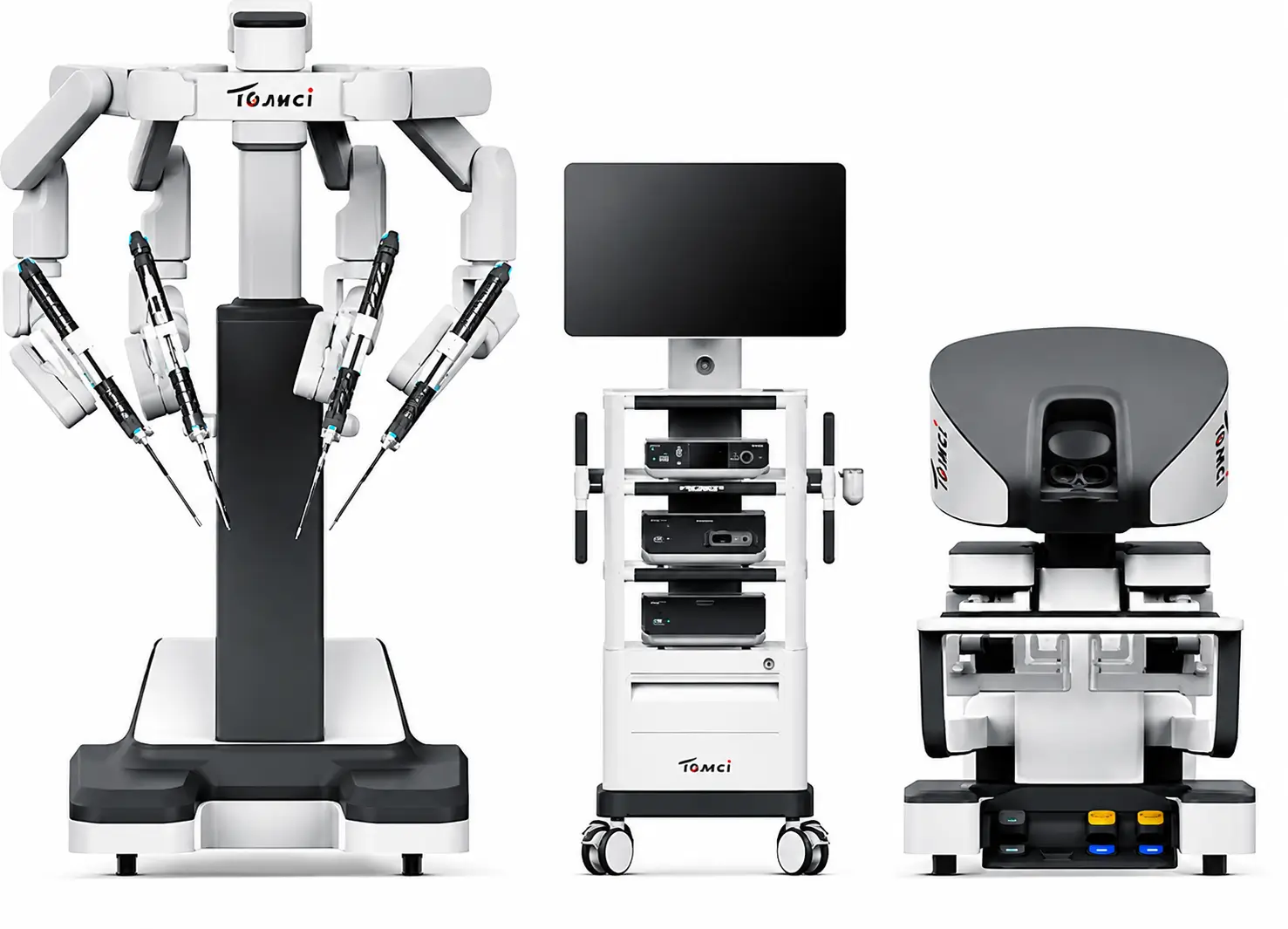
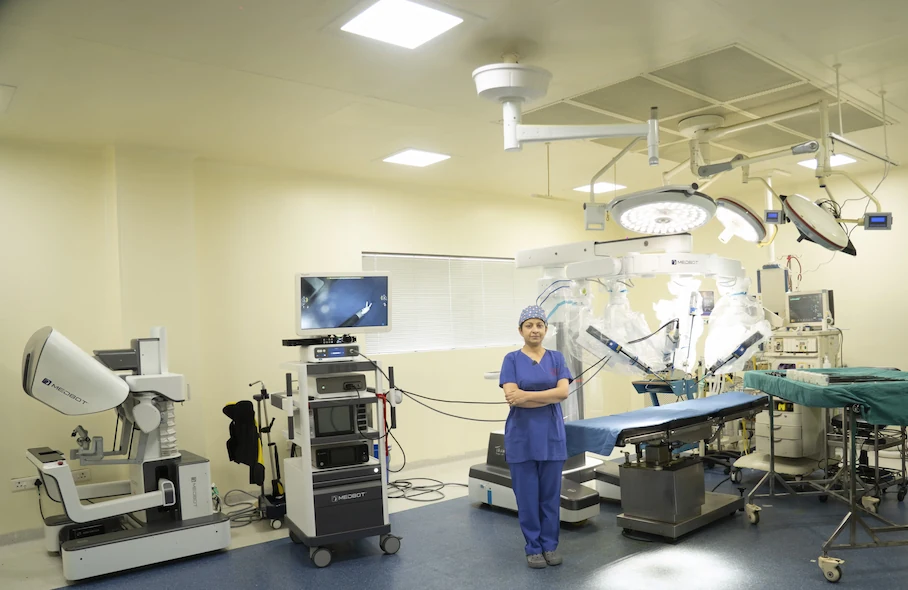
Neelam Hospital Rajpura, uses the Toumai Robotic Surgical System by MedBot as part of its advanced robotic surgery technology. The platform combines high-definition 3D visualization, advanced instrument control, tremor filtration, and haptic feedback to support surgeons during selected procedures. Haptic feedback can provide information about resistance and tissue interaction while the surgeon operates. The system is surgeon-controlled and does not perform procedures independently. For gynecological surgery, the treating specialist decides whether a robotic approach is appropriate based on the patient's condition, surgical requirements, and overall medical assessment.
Robotic surgery in gynecology is a minimally invasive surgical approach. A trained surgeon controls specialized instruments through a console. The system does not perform surgery independently.
2. Which gynecological conditions may be treated with robotic surgery?Selected patients with conditions such as fibroids, endometriosis, uterine problems, some ovarian conditions, pelvic masses, and certain gynecological cancers may undergo robotic surgery. Suitability depends on individual assessment.
3. Is robotic surgery suitable for every gynecology patient?No. The treating gynecologist considers the diagnosis, medical history, previous surgeries, overall health, disease severity, and surgical complexity before recommending an approach.
4. What are the potential benefits of robotic gynecology surgery?Potential benefits may include small incisions, enhanced visualization, precise instrument movement, and minimally invasive access. Recovery and outcomes vary by procedure and patient.
5. How long does recovery take after robotic gynecology surgery?Recovery time varies according to the procedure, surgical complexity, overall health, and individual response. Your surgeon will provide personalized recovery instructions.
6. Is robotic hysterectomy performed for every patient with uterine problems?No. A robotic hysterectomy may suit selected patients, but other surgical or non-surgical options may be more appropriate for others.
7. How can I know whether robotic surgery is appropriate for my condition?Start with a consultation with a qualified gynecologist. Your doctor can review your diagnosis, medical history, investigations, and treatment goals before discussing suitable surgical options.
8. Where can I consult a gynecology specialist for robotic surgery in Rajpura, Punjab?Patients in Rajpura and nearby areas can consult the gynecology specialists at Neelam Hospital to discuss their condition, diagnosis, and available treatment approaches.
Choosing a surgical approach should begin with an accurate diagnosis and specialist consultation. Robotic surgery can be useful for selected gynecological procedures, but it does not suit every patient.
If you are exploring gyne robotic surgery in Punjab, consult the gynecology specialists at Neelam Hospital, Rajpura. Discuss your symptoms, diagnosis, available treatment approaches, and whether robotic surgery may be appropriate for you.