Endometriosis can cause painful periods, pelvic discomfort, and fertility-related concerns. For some women, these symptoms can affect everyday activities and overall well-being. When medicines do not provide enough relief, doctors may discuss surgical treatment.
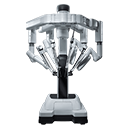
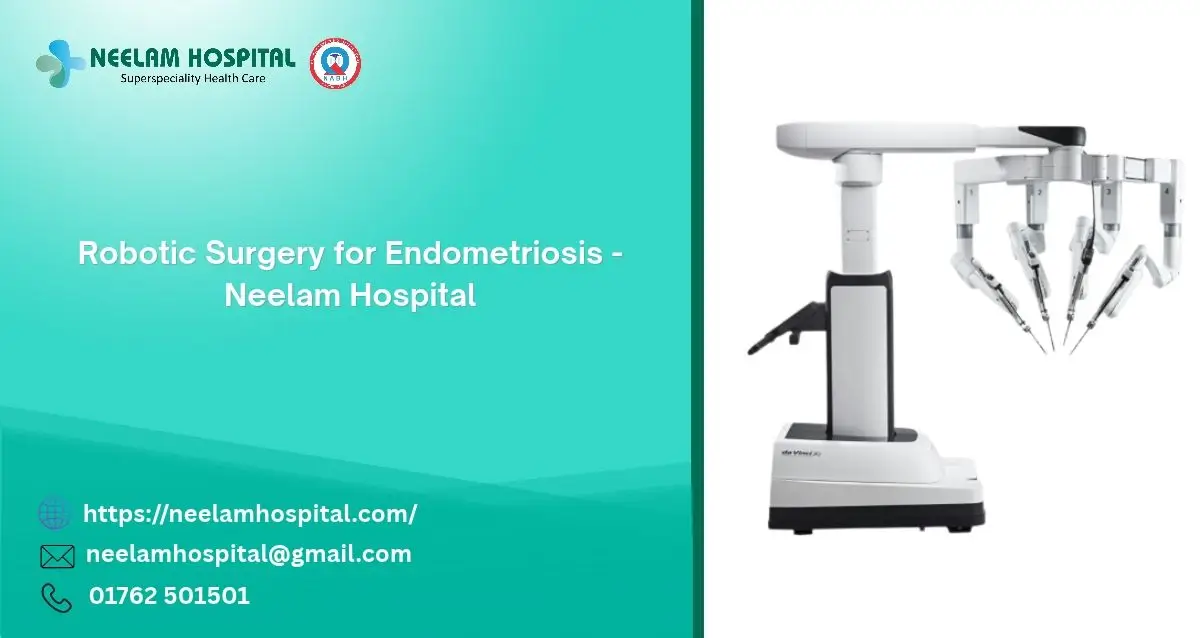
Robotic surgery for endometriosis is a minimally invasive surgical approach. It allows surgeons to control specialised instruments through a robotic system. A high-definition camera provides a magnified view of the surgical area.
This approach may help doctors manage selected cases of endometriosis. It can be particularly useful when surgery involves delicate pelvic structures. However, not every patient needs robotic surgery.
The right approach depends on disease location, symptoms, medical history, and surgical assessment. At Neelam Hospital, Rajpura, women can explore gynaecological consultation with experienced specialists.
Robotic surgery for endometriosis is a type of minimally invasive surgery. The surgeon uses a specialised robotic system to control surgical instruments.
The system does not operate independently. Instead, the surgeon controls every movement from a nearby console.
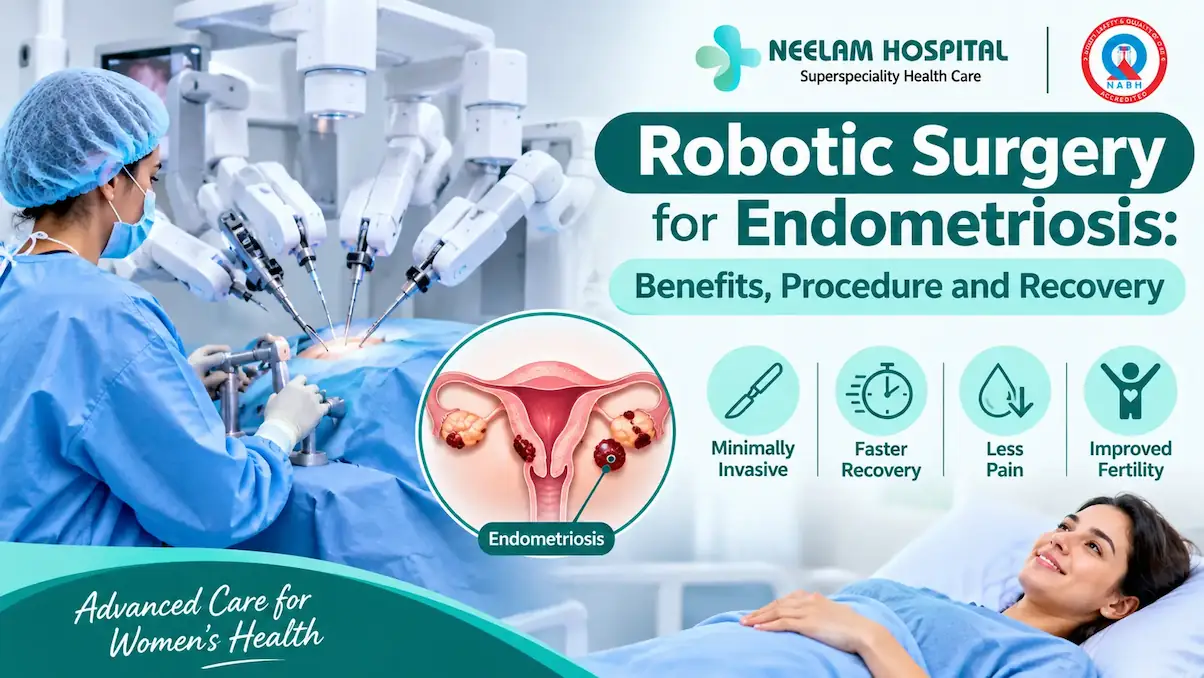
A small camera enters the abdomen through a small incision. It provides a magnified, three-dimensional view of the pelvic organs. The surgeon then controls specialised instruments through additional small incisions.
These instruments can move with flexibility inside the body. This allows the surgeon to perform delicate movements during selected procedures.
During endometriosis surgery, the surgeon may remove or treat abnormal tissue. The goal is to address visible endometriosis while protecting nearby healthy structures.
How Does Robotic Surgery Work?The robotic system translates the surgeon's hand movements into precise instrument movements.Its main features include:
However, robotic technology does not replace surgical experience. The surgeon's training and knowledge remain essential for safe treatment.
Not every woman with endometriosis needs surgery. Many patients manage their symptoms through medication and regular medical guidance. However, doctors may consider surgery when symptoms continue despite suitable treatment. Robotic surgery may be considered in selected cases, depending on the surgeon's assessment and available facilities.
Common situations include:Some women experience ongoing pelvic pain despite medical treatment. If endometriosis contributes to this discomfort, doctors may discuss surgical options.
Deep endometriosis can grow into tissues beneath the pelvic surface. It may involve structures near the bowel, bladder, or ureters. These cases need careful assessment and specialised surgical planning. A multidisciplinary team may also be necessary.
Endometriosis can cause cysts on the ovaries. Doctors call these cysts endometriomas or chocolate cysts. Some ovarian cysts may require surgical evaluation. However, treatment decisions should consider ovarian health and future fertility.
Some women experience symptoms that affect work, sleep, and daily activities. Doctors may consider surgery when other suitable treatments fail.
Endometriosis can sometimes affect reproductive organs and fertility. In selected cases, surgery may form part of an individual fertility plan. However, surgery does not guarantee pregnancy. Doctors should discuss possible benefits and risks before treatment.
Robotic-assisted surgery offers certain technical advantages during selected gynaecological procedures. These advantages may help surgeons manage complex surgical areas. However, outcomes depend on the patient's condition and the surgeon's experience.
Here are some potential endometriosis surgery benefits.Robotic surgery generally uses small abdominal incisions. These openings allow the surgeon to access the pelvic area using specialised instruments.
Smaller incisions may reduce wound-related discomfort compared with open surgery. They can also support recovery in suitable patients.
The robotic camera provides a magnified, three-dimensional view. This helps surgeons examine delicate pelvic structures during surgery.
Better visual detail can support careful surgical movements. However, it does not eliminate the risk of complications.
Robotic instruments offer flexible movement inside the abdomen. They can help surgeons work around delicate anatomical structures.
This feature may be useful during selected complex procedures.
Minimally invasive techniques may help reduce surgical blood loss in suitable cases. However, actual blood loss depends on disease complexity and individual factors.
Some patients can return home sooner after minimally invasive surgery. The exact hospital stay depends on the procedure and recovery progress.
Robotic Surgery uses small incisions rather than one large abdominal opening. Therefore, patients may have smaller visible scars.
Deep endometriosis can involve delicate structures inside the pelvis. Robotic instruments may help surgeons perform selected complex movements.
Still, robotic surgery does not automatically produce better results than conventional laparoscopy.
Robotic endometriosis surgery involves several planned steps. The surgical team evaluates the patient's health before selecting the appropriate approach.
Here is a general overview of the procedure.The doctor reviews your symptoms, medical history, and previous treatment.
You may need imaging tests, blood investigations, or other assessments. These investigations help doctors understand the location and extent of endometriosis.
The anaesthesia team evaluates your health before surgery. General anaesthesia keeps you asleep and comfortable during the procedure.
The team also monitors your vital signs throughout the operation.
The surgeon makes small openings in the abdomen. These openings allow access for the camera and robotic instruments.
The surgical team positions the robotic system according to the planned procedure.
The surgeon sits at a console and controls the robotic instruments. The camera provides a magnified view of the surgical area.
The surgeon guides every movement throughout the procedure.
The surgeon examines the pelvic organs and identifies visible endometriosis.
Depending on the findings, the surgeon may remove abnormal tissue. The procedure may also involve treating adhesions or ovarian endometriomas.
For deep endometriosis, surgery may require additional specialist support. The exact procedure depends on the organs involved.
After completing the planned treatment, the surgeon checks the surgical area. The team then removes the instruments and closes the incisions.
The patient moves to the recovery area for monitoring.
The medical team monitors pain, vital signs, and recovery progress. Patients receive instructions about medicines, wound care, and physical activity.
The doctor also explains the follow-up plan.
Recovery after robotic endometriosis surgery varies between patients. It depends on the extent of disease, surgical complexity, and overall health.
Many patients experience some discomfort during the first few days. However, recovery usually progresses gradually.
First 24–48 HoursPatients may experience mild abdominal discomfort, tiredness, or bloating. Some also notice shoulder discomfort from the gas used during surgery.
The medical team may recommend pain-relief medicines. Early gentle movement can also help support recovery.
First Week After SurgeryPatients should follow their doctor's instructions carefully. Short walks may help improve circulation and reduce stiffness.
Keep the incision areas clean and dry as instructed. Avoid strenuous activities during the initial recovery period.
Second Week and BeyondMany patients gradually resume light daily activities. However, the timing depends on the procedure and individual progress.
Avoid heavy lifting until your surgeon gives permission. Follow-up appointments help doctors assess healing and address concerns.
Complete RecoverySome patients recover within a few weeks. More complex procedures may require additional recovery time.
Your doctor will guide you about returning to work, exercise, driving, and sexual activity.
Tips for a Smooth RecoveryFollow these practical steps after surgery:
Contact your medical team if you experience:
Seek urgent medical attention for chest pain or sudden breathing difficulty.
Robotic surgery may suit some women with endometriosis. However, doctors must assess each patient's condition before recommending it.
Your specialist may consider the following factors: Disease Location and ComplexityThe location and depth of endometriosis influence surgical planning. Deep disease may require detailed imaging and additional specialist support.
Response to Medical TreatmentDoctors may discuss surgery when suitable medicines fail to control symptoms. They also consider medication side effects and patient preferences.
Overall HealthYour general health and previous surgical history matter. The anaesthesia team also evaluates your fitness for surgery.
Pregnancy PlansWomen planning pregnancy need careful fertility discussions. Some procedures may affect ovarian reserve or reproductive organs.
Individual Surgical AssessmentRobotic surgery is not suitable for every patient. Your surgeon should compare robotic surgery with conventional laparoscopy and other treatment options.
The best approach depends on expected benefits, potential risks, and available surgical expertise.
At Neelam Hospital, Rajpura, patients receive expert guidance from experienced IVF and Gynaecological Endoscopy specialists.
Dr. Shikha Gupta, MD (AIIMS, New Delhi) and DNB Gold Medalist, is Director of IVF & Gynae Endoscopy.
Dr. Gaurika Aggarwal, MD (PGI, Chandigarh), DNB, and FMF (UK)-certified in obstetric ultrasonography, also leads IVF & Gynae Endoscopy.
Both doctors specialise in women's reproductive health and advanced gynaecological care. They provide consultation and guidance for conditions like endometriosis. Patients can explore suitable treatment options, including minimally invasive surgical approaches, based on their medical condition.
Choosing a treatment approach requires a detailed discussion with a qualified gynaecologist.
Neelam Hospital, Rajpura, provides a setting for patients to explore women's healthcare consultations. Patients can discuss endometriosis symptoms, reproductive concerns, and possible treatment pathways.
If you are considering robotic surgery, ask your specialist about the following:Robotic surgery availability for endometriosis should be confirmed directly with the hospital. The availability of robotic technology alone does not establish that every robotic gynaecological procedure is offered.
The medical team should recommend treatment according to your individual needs.
Robotic surgery uses a surgeon-controlled robotic system to perform minimally invasive procedures. It provides magnified vision and flexible instrument movements. Surgeons may use this approach for selected endometriosis cases. The treatment plan depends on disease location and surgical assessment.
Not necessarily. Both approaches allow surgeons to perform minimally invasive procedures. Robotic systems offer certain technical features, but they do not guarantee better outcomes. The surgeon's experience, disease complexity, and individual needs should guide the decision.
Recovery depends on the extent of surgery and individual health. Some patients resume light activities within a few weeks. Complex procedures may require more time. Follow your surgeon's instructions before returning to exercise, work, and other activities.
Robotic surgery may help surgeons treat selected cases of deep endometriosis. However, treatment depends on the affected organs and disease complexity. Bowel, bladder, or ureter involvement may require additional specialist support and careful surgical planning.
Yes, endometriosis symptoms or growths can return after surgery. Surgery does not guarantee permanent prevention. Your doctor may discuss follow-up care and additional treatment based on symptoms, medical history, and reproductive goals.
Follow your surgeon's instructions before the procedure. These may include fasting, medication adjustments, and pre-operative investigations. Share your medical history and current medicines with the healthcare team. Ask questions about recovery and post-surgical care.
Endometriosis can affect physical comfort, reproductive health, and everyday life. Understanding available treatments helps women make informed healthcare decisions.
Robotic surgery for endometriosis offers a minimally invasive approach for selected patients. Its magnified vision and flexible instruments can support delicate surgical procedures.
However, robotic surgery is not necessary for every woman. The right treatment depends on disease complexity, symptoms, fertility goals, and specialist assessment.
At Neelam Hospital, Rajpura, Dr. Shikha Gupta and Dr. Gaurika Aggarwal provide consultations for women's reproductive and gynaecological health.
Book an online appointment at Neelam Hospital, Rajpura, to discuss your symptoms and explore suitable endometriosis treatment options with an experienced specialist.