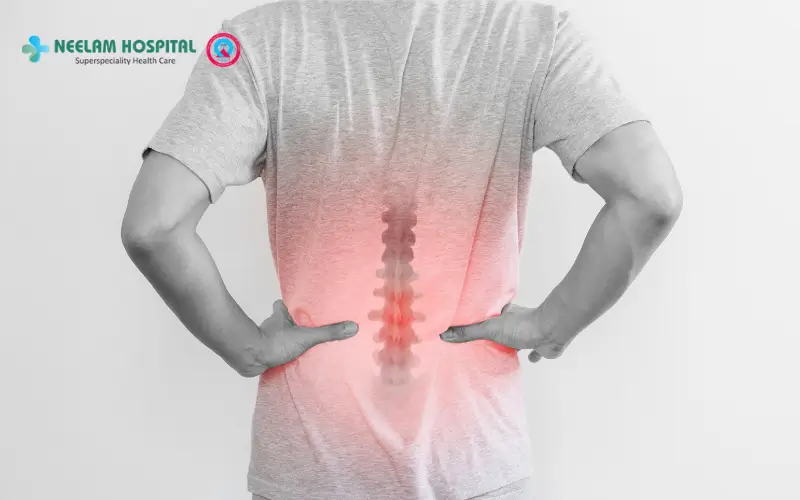
Lower back pain is a common issue affecting millions of people worldwide. Whether it's due to poor posture, muscle strain, or underlying health conditions, lower back pain can significantly impact daily life. Here are ten effective home remedies to
relieve lower back pain.
1. Stay Active
Maintaining physical activity is crucial for managing lower back pain. While it may be tempting to rest, prolonged inactivity can worsen the condition. Engage in low-impact exercises like walking, swimming, or yoga. These activities help strengthen the muscles supporting your back and improve flexibility.
Supporting Research:
Studies show that regular physical activity can reduce the intensity of lower back pain and improve functional ability.
Exercise Tips:
- Walking: Aim for 30 minutes of brisk walking daily. It helps improve circulation and strengthens lower back muscles.
- Swimming: The buoyancy of water supports your body, reducing stress on the spine while allowing a full range of motion.
- Yoga: Poses like Child's Pose, Cat-Cow, and Downward Dog can stretch and strengthen the back muscles.
2. Apply Heat and Cold
Alternating between heat and cold therapy can provide relief from lower back pain. Use a cold pack to reduce inflammation and numb the area for the first 48 hours. Afterward, switch to a heating pad to relax tense muscles and improve blood flow.
Expert Opinion
According to the American College of Physicians, both heat and cold therapies are effective for managing lower back pain in the short term.
Application Tips
- Cold Therapy: Apply an ice pack wrapped in a cloth to the affected area for 20 minutes several times a day.
- Heat Therapy: Use a heating pad or warm towel for 20 minutes to relax muscles and increase blood flow.
3. Maintain Proper Posture
Poor posture is a leading cause of lower back pain in women and men alike. Ensure your spine is aligned correctly when sitting, standing, or sleeping. Use ergonomic chairs and supportive mattresses to maintain good posture.
Actionable Tip
Adjust your workspace to promote proper posture. Use a chair with lumbar support and keep your computer screen at eye level.
Posture Tips
- Sitting: Keep your feet flat on the floor, knees at a 90-degree angle, and use a chair with good lumbar support.
- Standing: Distribute your weight evenly on both feet and avoid slouching.
- Sleeping: Use a medium-firm mattress and a pillow that supports the natural curve of your neck.
4. Stretch Regularly
Incorporating regular stretching exercises into your routine can alleviate lower back pain. Focus on stretches that target the lower back, hamstrings, and hip flexors. Stretching helps reduce muscle tension and improve flexibility.
Statistics
A survey conducted by the National Institute of Neurological Disorders and Stroke found that 80% of people experience lower back pain at some point in their lives.
Stretching Tips
- Hamstring Stretch: Lie on your back and lift one leg, holding the back of your thigh. Gently pull it towards you.
- Hip Flexor Stretch: Kneel on one knee with the other foot in front. Push your hips forward to stretch the hip flexors.
- Child's Pose: Kneel on the floor, sit back on your heels, and stretch your arms forward on the ground.
5. Use Over-the-Counter Pain Relievers
Over-the-counter (OTC) pain relievers, such as ibuprofen or acetaminophen, can help manage lower back pain. These medications reduce inflammation and provide temporary relief.
Expert Opinion
The Mayo Clinic recommends using OTC pain relievers as a part of a comprehensive pain management plan.
Medication Tips
- Ibuprofen: Helps reduce inflammation and is best taken with food to avoid stomach upset.
- Acetaminophen: Effective for pain relief but does not reduce inflammation. Follow dosage instructions carefully.
6. Practice Mindfulness and Relaxation Techniques
Stress and anxiety can exacerbate lower back pain. Mindfulness practices, such as meditation and deep breathing exercises, can help manage stress levels and reduce pain perception.
Research Insight
A study published in the Journal of Pain Research found that mindfulness-based stress reduction techniques significantly decreased chronic lower back pain.
Relaxation Tips
- Meditation: Spend 10-15 minutes daily focusing on your breath, allowing thoughts to come and go without judgment.
- Deep Breathing: Practice deep, slow breaths, inhaling through your nose and exhaling through your mouth, to calm the nervous system.
7. Maintain a Healthy Weight
Excess weight, particularly around the abdomen, can strain the lower back. Maintaining a healthy weight through a balanced diet and regular exercise can prevent and alleviate lower back pain.
Supporting Research
Research published in the American Journal of Epidemiology indicates a strong correlation between obesity and lower back pain.
Weight Management Tips
- Balanced Diet: Focus on whole foods, including fruits, vegetables, lean proteins, and whole grains.
- Regular Exercise: Incorporate both cardiovascular exercises and strength training to maintain muscle mass and a healthy weight.
8. Stay Hydrated
Hydration is essential for maintaining the health of your spinal discs. These discs act as cushions between the vertebrae, and dehydration can lead to disc degeneration and back pain.
Actionable Tip
Aim to drink at least eight glasses of water a day to keep your spinal discs hydrated and healthy.
Hydration Tips
- Water Intake: Carry a water bottle with you to remind yourself to drink regularly.
- Healthy Fluids: Include other hydrating fluids like herbal teas and natural fruit juices.
9. Try Herbal Remedies
Certain herbal remedies have anti-inflammatory properties that can help relieve lower back pain. Turmeric, ginger, and devil's claw are popular choices. Always consult with a healthcare provider before starting any herbal treatment.
Research Insight
A review published in the Journal of Alternative and Complementary Medicine highlighted the efficacy of herbal remedies in managing chronic pain.
Herbal Remedy Tips
- Turmeric: Add turmeric powder to your meals or take it as a supplement.
- Ginger: Brew ginger tea or use fresh ginger in cooking.
- Devil's Claw: Available in supplement form, it can help reduce inflammation.
10. Seek Professional Help When Needed
If lower back pain persists despite home remedies, it's essential to seek professional help. Physical therapists, chiropractors, and
Spine Pain Treatment specialists can provide specialized treatments tailored to your condition.
Professional Help Tips
- Physical Therapy: A therapist can guide you through exercises that strengthen your back and improve flexibility.
- Chiropractic Care: Chiropractors can perform adjustments to align the spine and relieve pain.
- Specialist Consultation: Visit a spine specialist for a thorough evaluation and treatment plan.

Why Trust Neelam Hospital for Lower Back Pain Treatment?
Lower back pain can affect your daily routine, work, and overall quality of life. At Neelam Hospital, we believe that every patient deserves the right diagnosis before the right treatment. Our orthopedic and spine care team focuses on identifying the root cause of your pain instead of only managing the symptoms.
Using advanced diagnostic facilities and personalized treatment plans, we help patients recover with a combination of medication, physiotherapy, lifestyle guidance, and surgical care when required. Our goal is to help you move comfortably and return to your normal activities as safely as possible.
Meet Our Orthopedic Expert
- Dr. Dinesh Sandal
- Consultant Orthopedics
- MBBS, MS (Orthopedics)
- Special Expertise: Trauma Care & Joint Replacement Surgery
Dr. Dinesh Sandal is an experienced orthopedic specialist with expertise in diagnosing and treating bone, joint, and spine-related conditions, including lower back pain. He follows an evidence-based and patient-centered approach, ensuring that each treatment plan is tailored to the individual's condition, lifestyle, and recovery goals.
Over the years, he has provided orthopedic care to patients from Rajpura, Punjab, Mohali, Chandigarh, and nearby areas of Haryana, helping them access timely diagnosis, treatment, and rehabilitation for various orthopedic problems.
Why Patients Choose Neelam Hospital
- Experienced orthopedic specialists and dedicated support staff.
- Comprehensive evaluation to identify the exact cause of back pain.
- Advanced diagnostic facilities under one roof.
- Personalized treatment plans based on each patient's condition.
- Physiotherapy, rehabilitation, and surgical care when clinically required.
Trusted healthcare destination for patients from Rajpura, Mohali, Chandigarh, and surrounding regions.
Our Commitment to Patient Care
At Neelam Hospital, patient safety, accurate diagnosis, and transparent treatment remain our top priorities. Whether your lower back pain is caused by poor posture, muscle strain, a slipped disc, arthritis, or another spine-related condition, our team works with you to create a treatment plan focused on long-term recovery and improved quality of life.
Disclaimer: This article is intended for educational purposes only and should not be considered a substitute for professional medical advice, diagnosis, or treatment. If your back pain is severe, persistent, or associated with numbness, weakness, fever, or loss of bladder or bowel control, seek immediate medical evaluation.
Conclusion
Lower back pain can be debilitating, but these home remedies offer effective ways to manage and alleviate the discomfort. Incorporating these tips into your daily routine can lead to significant improvements in your quality of life. Remember, if your lower back pain persists,
consult a healthcare professional for a comprehensive evaluation and treatment plan.
FAQs
1. What is the fastest way to relieve lower back pain?
The fastest way to relieve lower back pain depends on its cause. Resting for a short time, applying ice or heat therapy, doing gentle stretching exercises, and maintaining proper posture can provide quick relief. If the pain is severe or lasts for several days, consult a spine specialist.
2. What causes lower back pain?
Lower back pain can occur due to muscle strain, poor posture, heavy lifting, herniated discs, arthritis, sciatica, spinal stenosis, or prolonged sitting. Identifying the exact cause helps in choosing the right treatment.
3. When should I see a doctor for lower back pain?
You should seek medical attention if your lower back pain lasts for more than two weeks, becomes severe, spreads to your legs, causes numbness or weakness, or affects bladder or bowel control.
4. Can lower back pain go away on its own?
Yes. Mild lower back pain caused by muscle strain often improves within a few days with proper rest, stretching, and self-care. However, persistent or recurring pain should be evaluated by a healthcare professional.
5. Is walking good for lower back pain?
Yes. Walking is a low-impact exercise that improves blood circulation, reduces stiffness, and strengthens the muscles supporting your spine. Start with short walks and gradually increase your activity level.
6. Which sleeping position is best for lower back pain?
Sleeping on your back with a pillow under your knees or on your side with a pillow between your knees can reduce pressure on the lower back and improve spinal alignment.
7. Can poor posture cause lower back pain?
Yes. Sitting or standing with poor posture for long periods places extra stress on the spine and surrounding muscles, increasing the risk of lower back pain.
8. Are home remedies effective for lower back pain?
Home remedies such as hot or cold compresses, gentle stretching, staying active, maintaining good posture, and using proper back support can help relieve mild to moderate lower back pain.
9. What exercises help relieve lower back pain?
Simple exercises like the Cat-Cow Stretch, Child's Pose, Knee-to-Chest Stretch, Pelvic Tilt, and Bridge Exercise can improve flexibility, strengthen back muscles, and reduce discomfort. Always perform exercises under professional guidance if your pain is severe.
10. How can I prevent lower back pain?
You can prevent lower back pain by maintaining a healthy weight, exercising regularly, strengthening your core muscles, lifting heavy objects correctly, avoiding prolonged sitting, and practicing good posture.
11. Can stress cause lower back pain?
Yes. Stress can lead to muscle tension, especially in the lower back, making existing pain worse or contributing to new discomfort. Stress management techniques and regular physical activity may help.
12. What is the best treatment for chronic lower back pain?
Treatment depends on the underlying cause. It may include physiotherapy, medications, lifestyle modifications, pain management techniques, minimally invasive procedures, or surgery in advanced cases. A spine specialist can recommend the most suitable treatment plan.