

Heart disease remains one of the leading health concerns worldwide, and heart blockage is among the most common conditions affecting adults today. Advances in cardiology treatment have made it possible to manage blocked arteries effectively through procedures such as angioplasty and bypass surgery. However, many patients and their families often wonder: Which treatment is better for heart blockage treatment?
The answer depends on several factors, including the severity of blockage, the number of affected arteries, overall heart health, and individual patient conditions. Understanding the differences between angioplasty and bypass surgery can help patients make informed decisions with their cardiologist.
At Neelam Hospital, patients receive comprehensive cardiac care under the guidance of experienced specialists, including (Prof.) Dr. Himanshu Gupta, a highly respected cardiologist with advanced national and international training.
His expertise in advanced cardiac procedures helps patients receive personalized and evidence-based heart care.
Heart blockage occurs when the coronary arteries become narrowed or blocked due to the buildup of fatty deposits, cholesterol, and plaque. These arteries supply oxygen-rich blood to the heart muscle. When blood flow is restricted, patients may experience chest pain, shortness of breath, fatigue, or even a heart attack.
The severity of heart blockage can vary from mild narrowing to complete obstruction of one or multiple arteries.
Ignoring blocked arteries can increase the risk of serious complications. Timely heart blockage treatment helps restore blood flow to the heart, reduce symptoms, improve quality of life, and lower the risk of future cardiac events.
Depending on the condition, doctors may recommend lifestyle modifications, medications, angioplasty, or bypass surgery.
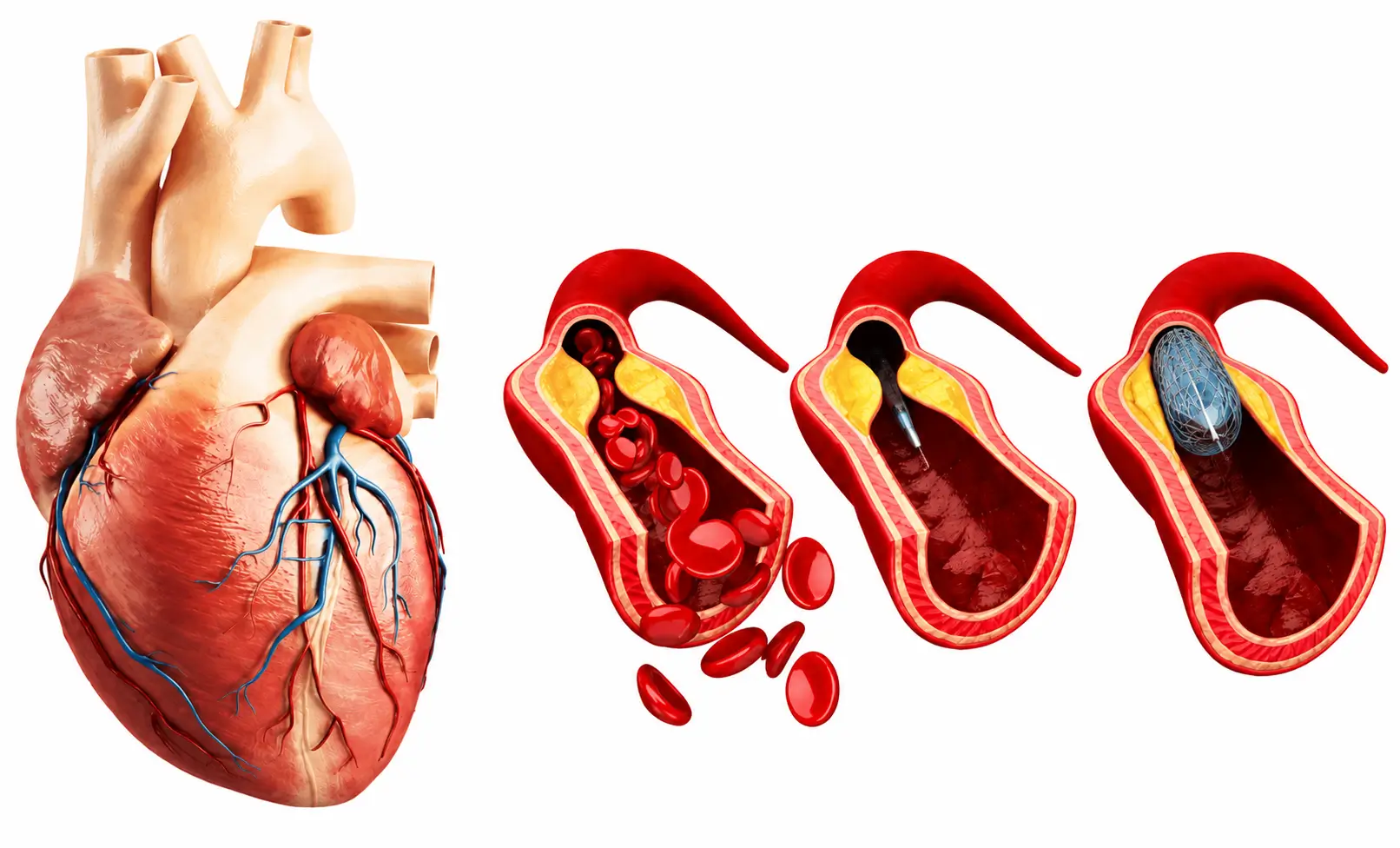
Angioplasty is a minimally invasive procedure used to open blocked or narrowed coronary arteries. It is one of the most commonly performed cardiology treatments for patients with suitable coronary artery disease.
Procedure OverviewDuring angioplasty, a thin catheter with a small balloon is inserted through a blood vessel, usually in the wrist or groin. The balloon is inflated at the blockage site to widen the artery and improve blood flow.
In most cases, a stent is placed inside the artery to help keep it open after the procedure.
Modern angioplasty procedures commonly use advanced stent technologies, including:
These advanced stents are designed to improve long-term outcomes and reduce the risk of artery re-narrowing in appropriate patients.
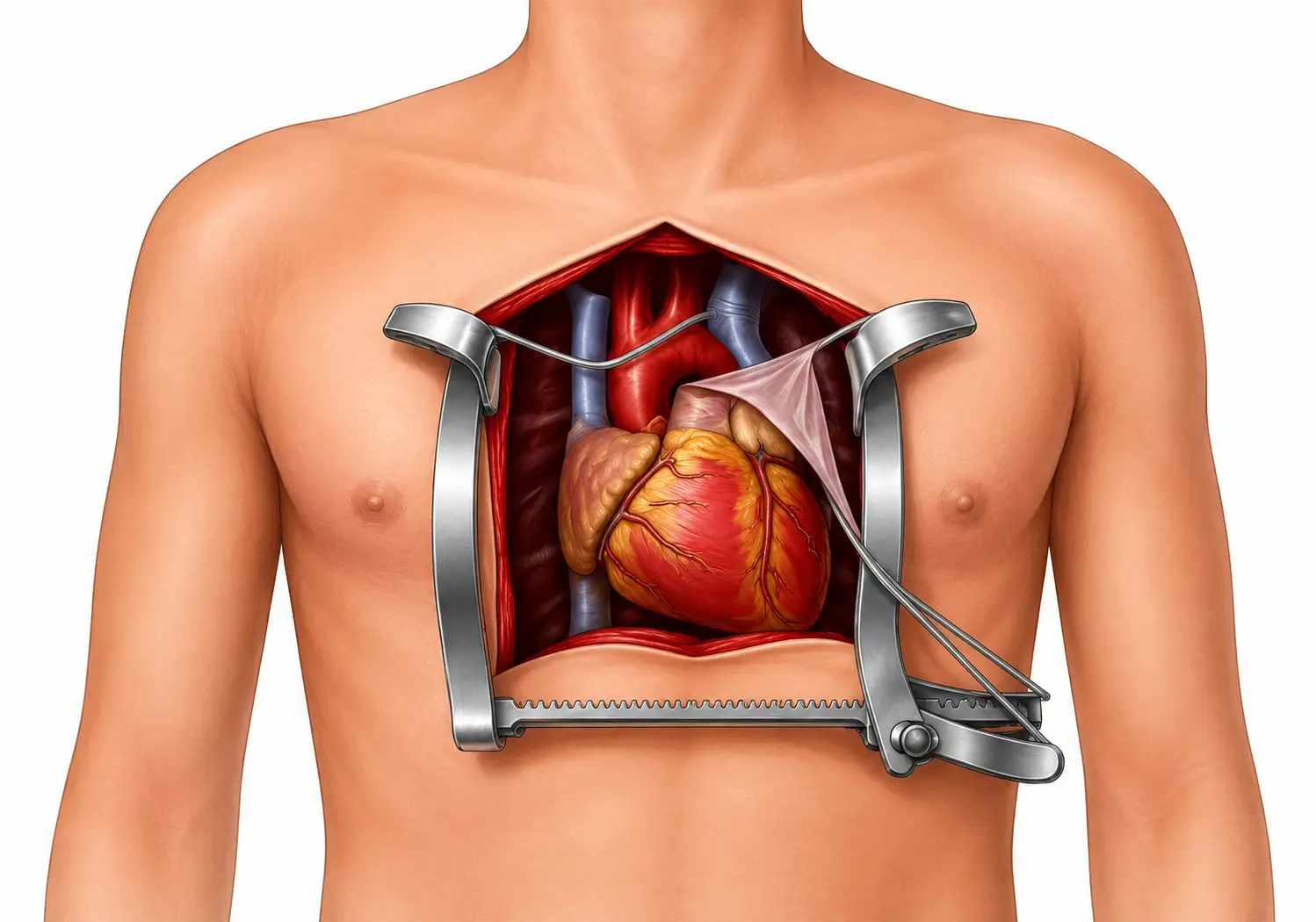
Coronary Artery Bypass Grafting (CABG), commonly known as bypass surgery, is a surgical procedure used to create an alternate pathway for blood flow around blocked arteries.
How the Surgery WorksDuring bypass surgery, a surgeon takes a healthy blood vessel from another part of the body and uses it to bypass the blocked section of the coronary artery. This allows blood to reach the heart muscle through a new route.
The procedure is performed under general anesthesia and requires specialized cardiac surgical care.
When Doctors Recommend It Doctors may recommend bypass surgery when:Usually shorter hospital stay : Most patients can be discharged within a few days if there are no complications after the procedure. Many patients return home within a few days : Recovery in the hospital is generally quicker compared to major heart surgery.
Longer hospitalization: Patients usually require several days of hospital care for recovery and monitoring after surgery.
Requires intensive post-operative monitoring: Doctors closely observe heart function and overall recovery during the initial post-surgery period.
RecoveryFaster recovery: Because the procedure is less invasive, patients often recover more quickly.
Patients often resume routine activities sooner: Many individuals can return to normal daily activities within a short period after medical clearance.
Recovery may take several weeks: The body needs additional time to heal after open-heart surgery.
Requires gradual rehabilitation and follow-up care: Cardiac rehabilitation and regular medical checkups play an important role in long-term recovery.
Angioplasty may be suitable for patients who:
A cardiologist determines whether angioplasty is the most appropriate treatment option based on imaging and clinical findings.
Bypass surgery may be more beneficial for patients who:
The final decision should always be made after consultation with an experienced cardiac specialist.
Although angioplasty is generally considered safe, potential complications may include:
Potential risks associated with bypass surgery may include:
Most patients recover successfully with appropriate medical care and follow-up.
There is no single answer that fits every patient.
Angioplasty may be preferred when:A detailed cardiac assessment is essential before selecting the most appropriate treatment approach.
Angioplasty is less invasive and generally involves a shorter recovery period. However, the safest option depends on the patient's specific heart condition and overall health.
In some cases, arteries can narrow again over time. Modern stent technologies have significantly reduced this risk, but long-term lifestyle management remains important.
Bypass surgery may provide longer-lasting results in certain patients with complex or multiple artery disease. However, treatment decisions should always be individualized based on clinical evaluation.
When comparing angioplasty vs bypass surgery, the best treatment depends on the patient's unique medical condition, the extent of heart blockage, and overall cardiovascular health. Both procedures play an important role in modern heart blockage treatment and have helped millions of patients achieve better cardiac outcomes.
At Neelam Hospital, patients benefit from advanced cardiology treatment, comprehensive diagnostic facilities, and expert guidance from experienced specialists such as (Prof.) Dr. Himanshu Gupta. Through personalized care and evidence-based treatment planning, patients receive support in choosing the most suitable option for their heart health.
If you or a loved one has been diagnosed with coronary artery disease, consulting an experienced cardiologist can help determine whether angioplasty or bypass surgery is the right path toward a healthier future.