
H1N1 swine flu is a respiratory infection caused by an influenza A virus. It can cause symptoms ranging from mild illness to serious respiratory complications.
People searching for H1N1 Swine Flu in Punjab often want to understand symptoms, testing, treatment, and prevention. However, H1N1 symptoms can look similar to other respiratory infections. Therefore, symptoms alone cannot confirm an H1N1 infection.
Early medical evaluation can help identify concerning symptoms and guide appropriate testing. It can also help doctors assess the risk of complications.
Most people with influenza recover within about a week. However, young children, older adults, pregnant women, and people with chronic conditions face higher risks.
This guide explains H1N1 symptoms, diagnosis, treatment, recovery, and prevention. It also explains when to consult an Internal Medicine doctor in Rajpura.
H1N1 is a subtype of influenza A virus. The term “swine flu” became widely known during the 2009 H1N1 pandemic. The pandemic virus later became part of seasonal influenza circulation. Today, H1N1 can occur as one of the influenza viruses causing seasonal flu.
Influenza mainly affects the respiratory system. It can spread easily between people through respiratory particles. An infected person can release these particles while coughing, sneezing, talking, or breathing. Close contact and crowded indoor spaces can increase transmission.
Most healthy people experience a mild or moderate illness. However, influenza can sometimes cause pneumonia or other serious complications. Therefore, understanding H1N1 Swine Flu in Punjab involves more than recognising symptoms. Knowing when to seek medical care is equally important.
H1N1 swine flu symptoms can appear suddenly. Common symptoms include fever, cough, sore throat, headache, and body aches. People may also experience chills, tiredness, and a runny or blocked nose. Some children may develop vomiting or diarrhoea.
Common symptoms include:These symptoms do not confirm H1N1 infection. Other influenza strains and respiratory infections can cause similar symptoms.
Therefore, avoid assuming that every flu-like illness represents H1N1. A doctor can assess your symptoms and determine whether testing is appropriate.

The early symptoms of H1N1 can develop within a few days after infection. Many people notice fever, cough, body aches, or tiredness first.
A sudden combination of fever and respiratory symptoms can suggest influenza. However, this pattern cannot identify the exact influenza strain.
Symptoms may vary according to age and overall health. Some people may also experience headaches, chills, or sore throat.
Early evaluation becomes more important when symptoms worsen quickly. It also matters more for people with higher complication risks.
Adults commonly develop fever, cough, headache, sore throat, and body aches. Fatigue can also become noticeable during the illness. Some adults may experience chest discomfort or breathing difficulty. These symptoms require prompt medical assessment when they become severe.
People with asthma, diabetes, heart disease, or other chronic conditions may face greater risks. Pregnancy can also increase the risk of serious influenza complications. Therefore, adults with underlying conditions should not ignore worsening flu-like symptoms.Children can develop many of the same symptoms as adults. However, some children may also develop vomiting or diarrhoea.
Young children may not explain breathing difficulty clearly. Parents should therefore watch changes in breathing, activity, and fluid intake.
Fast breathing, severe weakness, unusual sleepiness, or dehydration need prompt medical attention. Parents should also seek care when symptoms worsen after initial improvement.
H1N1 spreads mainly through respiratory particles released by infected people. Coughing and sneezing can release virus-containing particles into the surrounding air.
Close contact can increase the chance of transmission. Crowded and poorly ventilated spaces can also increase exposure.
The virus can also spread through contaminated hands. Touching the eyes, nose, or mouth can then transfer the virus.
Good hand hygiene can reduce this risk. Respiratory etiquette can also help protect people nearby.
If you develop flu symptoms, avoid close contact with others.Staying home while unwell can help reduce transmission.
Influenza can affect people of every age. However, certain groups have a higher risk of severe disease.
Higher-risk groups include:Being in a high-risk group does not mean severe illness will definitely occur. However, these individuals should take flu symptoms seriously.
Early medical advice can help doctors assess symptoms and possible complications. It can also help determine whether antiviral treatment may be appropriate.
Mild influenza symptoms often improve with rest and supportive care. However, certain symptoms require medical evaluation.
Consult a doctor if you experience:Do not depend only on symptoms to identify H1N1. Several infections can cause similar respiratory symptoms.
A doctor can review your symptoms, medical history, and risk factors.They can then decide whether further testing or treatment is appropriate.
Doctors may diagnose influenza based on symptoms and clinical assessment. However, laboratory testing may help in selected situations.
Testing can become useful when influenza overlaps with other respiratory infections. These infections can include COVID-19 and other viral illnesses.
Doctors may consider several factors before recommending an H1N1 test. These factors include symptoms, illness severity, risk status, and local influenza activity.
Testing does not always become necessary for every person with flu symptoms. Your doctor can decide whether testing would change your medical management.
An H1N1 test checks for influenza infection using a respiratory sample. Doctors may collect samples from the nose or throat.
Different tests have different levels of accuracy and detection ability. Some tests identify influenza A without identifying its exact subtype.
Therefore, a positive influenza A result does not always mean confirmed H1N1. Specific laboratory methods may identify the influenza subtype when required.
An H1N1 PCR test uses molecular techniques to detect influenza viral genetic material. Molecular tests can provide more detailed laboratory information than some rapid tests.
Doctors may recommend molecular testing when confirmation could influence clinical decisions. The exact testing approach depends on the healthcare setting. A doctor should interpret the test result alongside symptoms and clinical findings.
H1N1 belongs to the influenza A group. Therefore, some influenza tests detect influenza A without identifying the specific subtype.
This distinction matters when discussing an H1N1 diagnosis. A doctor can explain whether additional testing is necessary.
Testing should not replace clinical assessment. Doctors consider the complete clinical picture before making treatment decisions.
A General Physician or Internal Medicine specialist can evaluate suspected influenza. They can assess symptoms, medical history, risk factors, and possible complications.
An Internal Medicine doctor in Rajpura can also guide further evaluation when required. They may recommend testing based on the clinical situation.
Patients with significant respiratory complications may need Pulmonology or Chest Medicine care. Children may require assessment by a Pediatrician. Therefore, the right doctor can depend on the patient's age and condition.
At Neelam Hospital, Rajpura, patients can consult the Internal Medicine team for medical evaluation.
Dr. Siddharth Kaushik – MD (Internal Medicine)Dr. Siddharth Kaushik is an Internal Medicine doctor at Neelam Hospital. He provides medical evaluation and management for various medical conditions.
Dr. Ashish Garg – Internal Medicine (D.N.B.)Dr. Ashish Garg is part of the Internal Medicine team at Neelam Hospital. He provides medical evaluation and management for general and chronic medical conditions.
Patients can discuss flu-like symptoms and related health concerns with the medical team.
H1N1 treatment depends on symptom severity and individual risk factors. Most mild influenza cases need supportive care and monitoring. Supportive care may include adequate fluids, rest, and symptom relief. Your doctor can advise which medicines are suitable for your symptoms.
Antiviral medicines may help certain patients with influenza. Doctors may consider them for people at higher risk of complications. Antivirals work best when started early after symptoms begin. However, treatment decisions should come from a qualified healthcare professional.
Do not start prescription antiviral medicines without medical advice. Antibiotics do not treat influenza viruses unless a doctor identifies a bacterial infection.
Some people with mild influenza can recover at home. They may need rest, fluids, symptom monitoring, and medical advice.
However, home care does not suit every patient. People with severe symptoms should seek medical evaluation.
High-risk individuals may also need earlier medical advice. This includes pregnant women, young children, older adults, and people with chronic diseases.
Stay away from close contact while you remain unwell. This can reduce the chance of spreading infection to family members.
If symptoms worsen, contact a healthcare professional without delay.
Certain symptoms can indicate serious illness. These warning signs require urgent medical evaluation.
Seek urgent care if you experience:Do not wait for symptoms to resolve when serious warning signs appear. Prompt medical evaluation can help identify potentially serious complications.
Prevention can reduce influenza transmission within families and communities. Several simple measures can lower exposure.
Maintain Good Hand HygieneWash your hands regularly with soap and water. Use an alcohol-based hand sanitiser when soap is unavailable. Avoid touching your eyes, nose, and mouth with unwashed hands.
Follow Respiratory EtiquetteCover your mouth and nose when coughing or sneezing. Use a tissue and dispose of it properly. If a tissue is unavailable, use your elbow instead of your hands.
Avoid Close Contact When SickStay home when you have flu-like symptoms. Avoid close contact with other people while you recover. This becomes especially important around vulnerable family members.
Improve Indoor VentilationGood ventilation can reduce exposure to respiratory particles indoors. Open windows when practical to improve airflow. Avoid prolonged stays in crowded and poorly ventilated spaces.
Consider Influenza VaccinationAnnual influenza vaccination remains an important prevention measure. WHO recommends vaccination for several groups with higher risks. These groups include pregnant women, young children, older adults, and people with chronic conditions.
Vaccination does not guarantee that every infection will be prevented. However, it can reduce the risk of severe influenza and complications. Discuss vaccination with a healthcare professional based on your age and health status.
Protect Vulnerable Family MembersTake additional precautions around older adults and people with chronic diseases. Limit close contact when someone has active flu symptoms. Good ventilation and regular hand hygiene can also reduce household transmission.
Flu-like symptoms can sometimes require proper medical assessment. Neelam Hospital provides Internal Medicine consultation in Rajpura.
Patients can discuss fever, cough, body aches, and other respiratory symptoms with the medical team. Doctors can assess symptoms and recommend appropriate investigations when required.
The hospital also provides a setting for patients who need further medical evaluation. This can make it a convenient healthcare option for patients seeking H1N1 treatment in Rajpura.
Patients from Rajpura and nearby areas can seek consultation based on their individual healthcare needs. The focus remains on appropriate assessment rather than assuming every flu-like illness is H1N1.
Persistent, worsening, or concerning symptoms deserve professional medical evaluation. Early consultation can be particularly useful for higher-risk patients.
An Internal Medicine specialist can review your symptoms and medical history. They can also determine whether testing or further evaluation may be appropriate.
If you are searching for an H1N1 doctor in Rajpura, start with a proper medical assessment. Do not rely on symptoms alone to identify the infection.
If you have flu-like symptoms or H1N1 concerns, consult an Internal Medicine doctor at Neelam Hospital, Rajpura.
The first symptoms may include fever, cough, body aches, headache, and tiredness. Sore throat and a runny nose can also occur.
2. Which doctor treats H1N1 swine flu?A General Physician or Internal Medicine specialist can evaluate suspected H1N1 infection. Severe respiratory complications may require Pulmonology care.
3. What test is used for H1N1?Doctors may use influenza testing based on symptoms and clinical circumstances. Molecular tests can detect influenza viral genetic material.
4. How long does H1N1 usually last?Many people recover from influenza within about one week. Cough and tiredness can sometimes continue for longer.
5. When should I visit a hospital for H1N1 symptoms?Seek medical care for breathing difficulty, chest pain, severe weakness, confusion, or dehydration. High-risk patients should also seek medical advice early.
H1N1 swine flu can cause sudden fever, cough, body aches, headache, and tiredness. Most people recover, but some individuals face a higher risk of complications.
Understanding H1N1 Swine Flu in Punjab can help people recognise concerning symptoms. However, symptoms alone cannot confirm the infection.
A doctor can assess symptoms and decide whether testing or treatment is appropriate. Early medical advice becomes especially important for high-risk individuals.
If symptoms persist, worsen, or become severe, seek professional medical care. For patients in Rajpura, an Internal Medicine consultation can help guide the next steps.
Diabetes is a common condition that affects how the body uses blood glucose for energy. When blood glucose stays high, it can affect different organs and body systems over time. Recognizing diabetes symptoms can help people seek medical advice at the right time. However, symptoms alone cannot confirm diabetes.
Some people develop noticeable symptoms, while others have few or no early warning signs. Therefore, blood glucose testing remains important when diabetes is suspected. This guide explains the 10 warning signs of diabetes and when they should receive medical attention. It also explains testing, possible complications, and practical ways to reduce diabetes risk.
Diabetes occurs when blood glucose becomes too high because the body cannot use insulin properly. Insulin helps glucose move from the blood into cells for energy. There are different types of diabetes, including type 1, type 2, and gestational diabetes.
Type 1 diabetes often develops more quickly and may cause noticeable symptoms.
Type 2 diabetes can develop gradually and may remain unnoticed for years.
Therefore, regular testing becomes important for people with symptoms or higher risk.
The following symptoms can occur when blood glucose remains elevated. However, several other health conditions can cause similar symptoms.
Frequent urination is one of the common early signs of diabetes. High blood glucose can cause the kidneys to remove extra glucose through urine.
This process can increase urine production and make someone urinate more often. Some people may also wake several times during the night to urinate.
Do not ignore persistent changes in urination without an obvious explanation. A healthcare professional can determine whether diabetes or another condition is responsible.
Frequent urination can cause the body to lose more fluid. As a result, a person may feel unusually thirsty throughout the day.
This thirst may continue even after drinking water. Some people may also experience a dry mouth.
Persistent excessive thirst should not be dismissed, especially when it occurs with frequent urination. Blood glucose testing can help identify whether diabetes may be involved.
Some people with diabetes experience unusual or persistent hunger. This can happen when glucose cannot enter cells effectively for energy.
As a result, the body may signal hunger despite adequate food intake. Increased hunger can occur alongside thirst, frequent urination, or unexplained weight changes.
However, increased appetite has many possible causes. Therefore, ongoing symptoms deserve proper medical evaluation rather than self-diagnosis.
Unexpected weight loss can occur when the body cannot use glucose effectively. The body may then use stored fat and muscle for energy.
This can cause weight loss without intentional dieting or increased exercise. Unexplained weight loss may be more noticeable in some people with new-onset diabetes.
Do not ignore significant weight loss without a clear reason. A doctor can assess the cause and recommend appropriate blood tests.
Feeling tired after poor sleep or a busy day is common. Persistent fatigue, however, may have several possible causes.
Diabetes can affect how the body uses glucose for energy. Consequently, some people may feel unusually weak, tired, or lacking energy.
Fatigue alone does not indicate diabetes. However, it deserves attention when it continues or appears with other diabetes symptoms.
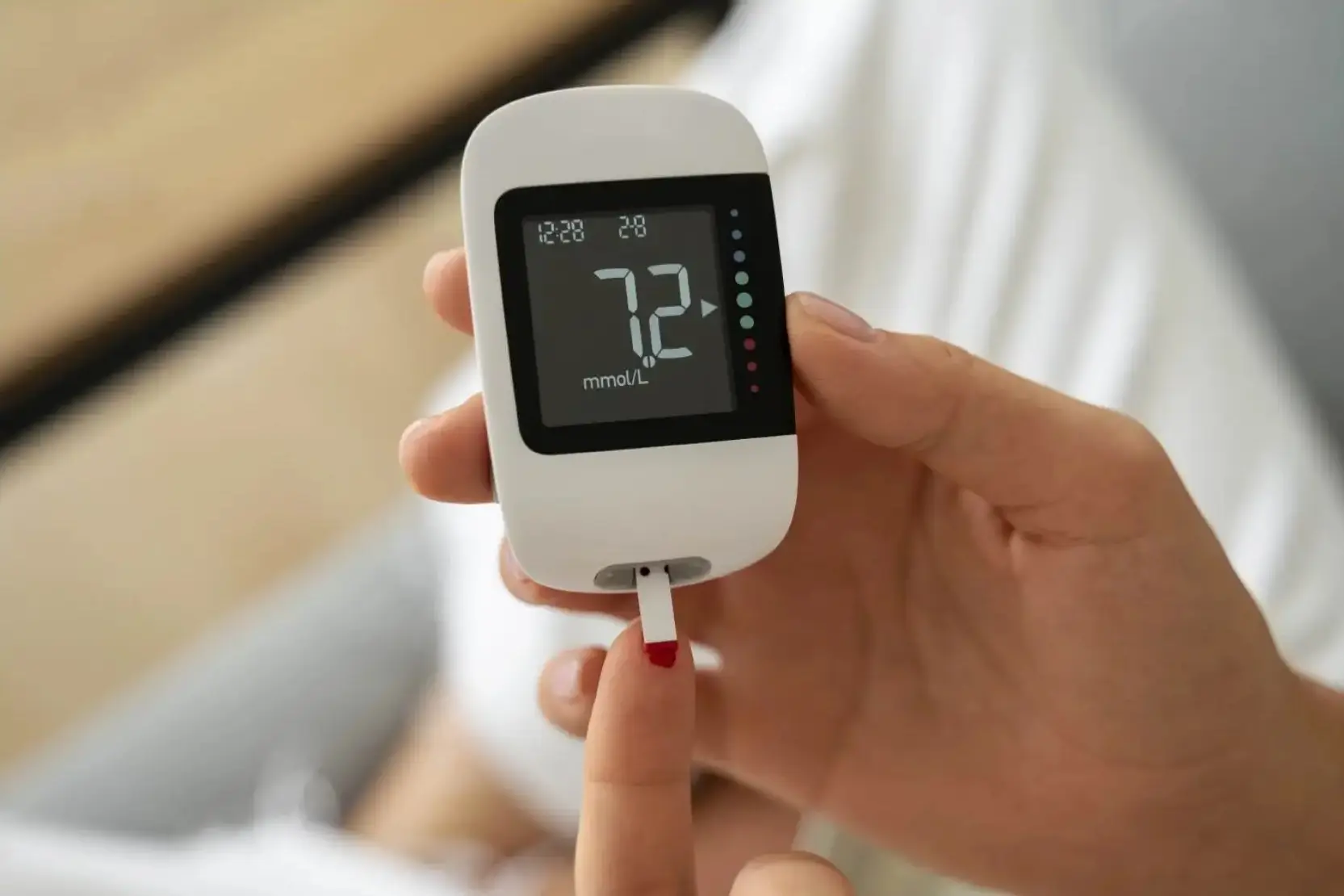
Changes in blood glucose can affect fluid levels within the eye. This can temporarily change vision and cause blurred sight.
Long-term high blood glucose can also damage small blood vessels in the eyes. Over time, diabetes can contribute to serious eye complications, including diabetic retinopathy.
Sudden or persistent vision changes should receive medical attention. Prompt assessment can help identify diabetes or other eye-related conditions.
High blood glucose can affect blood vessels and nerves. It can also make infections and wound problems more difficult to manage.
A small cut may therefore take longer to heal than expected. Foot wounds deserve particular attention because nerve damage can reduce pain sensation.
Do not ignore wounds that remain open, become painful, or show signs of infection. Early medical care can help prevent more serious complications.
Repeated infections can sometimes occur with diabetes. These may include urinary tract infections and certain yeast infections.
High blood glucose can create conditions that make infections more likely. However, recurrent infections can have many other causes.
Therefore, repeated infections should prompt a discussion with a healthcare professional. Blood glucose testing may be appropriate based on the overall clinical picture.
Tingling, burning, or numbness can affect the hands and feet. These symptoms may occur when diabetes causes nerve damage over time.
Diabetic nerve damage often begins in the feet. Some people experience pain, weakness, or reduced sensitivity instead.
New or persistent numbness should not be ignored. Early assessment can help identify the cause and protect nerve and foot health.
Dry or itchy skin can occur for many reasons. However, some people with diabetes experience skin problems alongside other symptoms.
Changes in fluid balance and circulation may contribute to certain skin concerns. Diabetes can also increase the risk of some skin infections.
Persistent itching or unexplained skin changes deserve medical assessment. A doctor can determine whether diabetes or another condition may be contributing.
Yes. Diabetes can develop without obvious symptoms, particularly type 2 diabetes. Some people discover their condition during routine blood testing.
This makes awareness important even when a person feels healthy. People with certain risk factors may need testing based on medical advice.
Risk can increase with factors such as age, excess weight, family history, and physical inactivity. A healthcare professional can assess individual risk and recommend appropriate screening.
People should consider medical evaluation when several diabetes symptoms appear together. Persistent thirst, frequent urination, fatigue, or unexplained weight loss deserve attention. Medical advice becomes especially important when symptoms worsen or interfere with daily activities.
Urgent care may be needed for severe symptoms such as:These symptoms can occur with serious metabolic problems and require prompt medical attention.
Symptoms cannot confirm diabetes on their own. Doctors use blood glucose tests to establish a diagnosis.
Common tests include: Fasting Blood GlucoseThis test measures blood glucose after an overnight fasting period. The healthcare professional provides instructions about fasting before the test.
HbA1c TestThe HbA1c test reflects average blood glucose levels over approximately three months. It usually does not require fasting.
Random Blood GlucoseA random glucose test can measure blood glucose at any time. Doctors may use it when symptoms are present.
Oral Glucose Tolerance TestThis test measures how the body handles glucose after drinking a glucose-containing liquid. It can help diagnose certain types of diabetes and prediabetes.
Doctors may repeat testing before confirming diabetes. The appropriate test depends on symptoms, health status, and individual circumstances.
Persistently high blood glucose can affect several organs over time. Therefore, early detection and appropriate management are important.
Uncontrolled diabetes can increase the risk of:Diabetes can damage blood vessels and nerves over time. It can also affect kidney function and increase cardiovascular risk.
The good news is that appropriate diabetes management can reduce or delay many complications. Regular medical follow-up remains an important part of long-term care.
Not every type of diabetes can be prevented. However, several healthy habits can lower the risk of type 2 diabetes.
Stay Physically ActiveRegular physical activity can support healthy blood glucose levels. Choose activities that are suitable for fitness level and medical condition.
Choose Balanced MealsInclude vegetables, whole grains, protein sources, and other nutrient-rich foods. Limit frequent intake of highly processed foods and sugary drinks.
Maintain a Healthy WeightFor people with excess weight, gradual weight management may reduce type 2 diabetes risk. A healthcare professional can help create realistic goals.
Avoid TobaccoSmoking can increase the risk of several serious health conditions. Avoiding tobacco supports overall cardiovascular and metabolic health.
Attend Regular Health ChecksRoutine health checks can identify blood glucose problems before symptoms become noticeable. This is especially useful for people with diabetes risk factors.
People experiencing possible diabetes symptoms can seek appropriate medical evaluation from qualified healthcare professionals. At Neelam Hospital Rajpura, patients can discuss symptoms, risk factors, and testing needs with the medical team.
The focus remains on accurate assessment and individualized healthcare guidance. Patients should not rely on symptoms alone or delay testing when concerns persist. For people from Rajpura and nearby areas, timely evaluation can support earlier identification of blood glucose problems.
Managing diabetes often requires regular monitoring and medical guidance, not just a one-time evaluation. At Neelam Hospital, Rajpura, the Internal Medicine team evaluates diabetes and other chronic health conditions.
Patients can discuss their symptoms, medical history and risk factors with the medical team. Based on these factors, doctors can recommend suitable tests and treatment options.
Moreover, the care approach focuses on individual needs, regular monitoring and early attention to related health concerns when required.
Diabetes symptoms and blood glucose concerns can be evaluated by an Internal Medicine specialist. The team can help assess symptoms, confirm the diagnosis and manage diabetes over time.
Dr. Siddharth Kaushik – MD, Internal MedicineDr. Siddharth Kaushik is an Internal Medicine doctor at Neelam Hospital. He provides evaluation and medical management for diabetes and other health conditions.
Dr. Ashish Garg – DNB, Internal MedicineDr. Ashish Garg is part of the Internal Medicine team at Neelam Hospital. He provides evaluation and management for chronic and general medical conditions.
Common early symptoms include frequent urination, increased thirst, hunger, fatigue, and unexplained weight loss. However, some people have no noticeable symptoms.
2. Can diabetes develop without symptoms?Yes. Type 2 diabetes can develop gradually without obvious symptoms. Therefore, people with risk factors may benefit from appropriate screening.
3. What are the most common symptoms of diabetes?Common symptoms include frequent urination, increased thirst, increased hunger, fatigue, weight loss, and blurred vision. Recurrent infections can also occur.
4. How can I know if I have diabetes?Symptoms cannot confirm diabetes. A healthcare professional can use blood tests, including fasting glucose and HbA1c, for proper evaluation.
5. When should I get tested for diabetes?Testing is appropriate when symptoms suggest diabetes or when risk factors are present. A doctor can recommend testing based on individual circumstances.
6. Can early diabetes symptoms go unnoticed?Yes. Some people have mild symptoms or no symptoms during the early stages. Regular testing can therefore identify diabetes before obvious symptoms develop.
7. Are diabetes symptoms the same for everyone?No. Symptoms can vary between individuals and diabetes types. Some people may experience several symptoms, while others notice very few changes.
Knowing the warning signs of diabetes can encourage people to seek timely medical advice. Common symptoms include thirst, frequent urination, fatigue, weight loss, and blurred vision.
However, symptoms do not establish a diabetes diagnosis. Proper blood glucose testing remains essential for accurate diagnosis.
People with persistent symptoms should speak with a qualified healthcare professional. Early evaluation can support appropriate management and help reduce future health risks.
For patients in Rajpura and surrounding areas, Neelam Hospital provides medical evaluation and healthcare guidance based on individual needs.
Visit Neelam Hospital, RajpuraNH-07, Rajpura–Chandigarh Highway, Opp. Chitkara University, Rajpura, Punjab – 140401
👉 Get Directions on Google Maps
The monsoon season brings cooler weather. However, it also increases the risk of mosquito-borne diseases. Among them, dengue and malaria are the most common. Both illnesses begin with fever and body pain. Therefore, many people confuse one with the other.
Understanding dengue vs malaria is important because both diseases have different causes, tests, and treatments. Early diagnosis helps doctors provide the right care and may reduce the risk of complications.
If you or a family member develops a high fever during the rainy season, do not ignore it. Instead, seek medical advice from a qualified healthcare professional. At Neelam Hospital, a trusted hospital in Rajpura, experienced doctors and trained healthcare staff provide medical evaluation and treatment for seasonal illnesses.
Dengue is a viral infection. It spreads through the bite of an infected Aedes mosquito. These mosquitoes usually bite during the daytime. In addition, they breed in clean, stagnant water found around homes and workplaces.
Dengue cases often increase during the rainy season. Therefore, preventing mosquito breeding is one of the best ways to lower the risk.
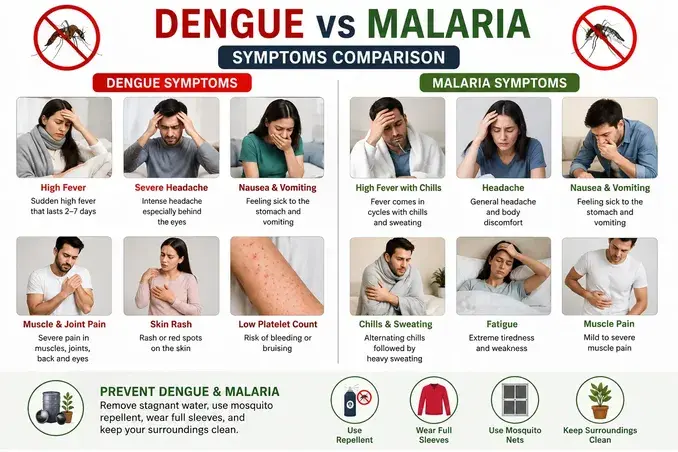
Common Dengue SymptomsThe early dengue symptoms may include:
Doctors may also monitor the platelet count when clinically needed. However, platelet count alone does not determine how severe dengue is. Medical assessment always considers the patient's overall condition.
Malaria is different from dengue. It is caused by a parasite called Plasmodium. The disease spreads through the bite of an infected Anopheles mosquito. Unlike Aedes mosquitoes, Anopheles mosquitoes usually bite from evening until early morning.
Malaria requires specific medicines. Therefore, early diagnosis is essential.
Common Malaria SymptomsThe most common malaria symptoms include:
In many cases, fever comes in cycles. This pattern often helps doctors suspect malaria. However, laboratory tests are still necessary to confirm the diagnosis.
Although both are mosquito-borne diseases, they have several important differences. Understanding these differences can help you seek timely medical care and receive the right treatment.
| Feature | Dengue | Malaria |
|---|---|---|
| Cause | Dengue virus | Plasmodium parasite |
| Spread By | Aedes mosquito | Anopheles mosquito |
| Mosquito Bites | Mostly during the daytime | Mostly during the evening and night |
| Fever Pattern | Sudden high fever | Fever with chills and sweating |
| Platelet Count | May decrease and may require monitoring | Usually not the primary concern |
| Treatment | Supportive medical care as advised by a doctor | Anti-malarial medicines prescribed by a doctor |
Because the symptoms often overlap, self-diagnosis is not recommended. Instead, consult a qualified healthcare professional for proper evaluation and testing.
Doctors begin by reviewing your symptoms and medical history. After that, they may recommend blood tests.
Common investigations include:These tests help identify the exact illness. As a result, patients receive suitable treatment without unnecessary delays.
Currently, most dengue infections do not have a specific antiviral treatment. Instead, treatment focuses on supportive care.
Doctors may recommend:Patients with warning signs may require hospital care for closer observation.
Treatment for MalariaUnlike dengue, malaria can be treated with anti-malarial medicines. However, the choice of medicine depends on the type of parasite and the patient's condition.
It is important to complete the prescribed course of treatment. In addition, avoid taking medicines without medical advice.
Fortunately, simple precautions can help reduce the risk of infection.
You should:These habits protect not only your family but also your community.
When Should You Visit a Hospital?Do not delay medical care if you notice:
Early medical evaluation helps doctors begin appropriate treatment without delay.
If you are looking for a reliable hospital in Rajpura, Neelam Hospital offers patient-focused healthcare for individuals and families. The hospital is supported by experienced doctors, qualified nurses, and trained healthcare professionals who are committed to delivering compassionate medical care.
From medical consultations to diagnostic support and follow-up care, the healthcare team focuses on helping patients receive timely evaluation and appropriate treatment. If you are searching for the best hospital in Rajpura for seasonal health concerns, Neelam Hospital is dedicated to serving the local community with quality healthcare services.
Knowing the difference between dengue vs malaria can help you act quickly when symptoms appear. Although both diseases spread through mosquito bites, they have different causes, symptoms, and treatments. Therefore, proper diagnosis is essential.
Never ignore persistent fever during the rainy season. Instead, consult a qualified healthcare professional for timely evaluation. Early diagnosis, appropriate treatment, and preventive measures can support better recovery and overall health.
If you need medical guidance during the monsoon season, Neelam Hospital, a trusted hospital in Rajpura, is here to provide professional healthcare support for you and your family.
Dengue and malaria are both mosquito-borne diseases, but they are caused by different organisms. Dengue is caused by a virus spread by Aedes mosquitoes, while malaria is caused by a Plasmodium parasite transmitted by Anopheles mosquitoes.
2. What are the common symptoms of dengue?Common dengue symptoms include high fever, headache, pain behind the eyes, muscle and joint pain, skin rash, weakness, nausea, and vomiting. In some cases, doctors may monitor platelet count based on the patient's condition.
3. What are the common symptoms of malaria?Common malaria symptoms include fever, chills, sweating, headache, body pain, weakness, nausea, and vomiting. Some patients may experience fever episodes that occur in cycles.
4. Can dengue and malaria occur at the same time?Yes, in some situations, a person can have both dengue and malaria together because both are spread through mosquitoes. Proper medical testing is important for accurate diagnosis and treatment.
5. Why is platelet count monitored in dengue?During dengue infection, platelet levels may decrease in some patients. Doctors may recommend monitoring the platelet count along with other health indicators to assess the patient's condition.