
Pregnancy is one of the most beautiful journeys in a woman’s life. However, as the delivery date approaches, many expecting mothers have questions about choosing between Normal Delivery vs C-section delivery. Understanding the difference between these two childbirth methods can help women make informed decisions with guidance from experienced gynecologists.
Both normal delivery and C-section have their own benefits, risks, and recovery patterns. The right choice depends on several factors, including the mother’s health, baby’s condition, pregnancy complications, and medical recommendations.
At Neelam Hospital, women receive complete maternity care with expert guidance from experienced specialists like Dr. Shikha Gupta and Dr. Gaurika Aggarwal, who are experienced IVF and gynecology specialists with more than 15 years of expertise. Women from Rajpura, Mohali, Ambala, Chandigarh, and nearby areas of Punjab have trusted our hospital for advanced pregnancy care and have benefited from our expert-led maternity services and comprehensive care throughout their pregnancy journey.
Normal delivery, also known as vaginal delivery, is the natural process of giving birth through the birth canal. During this process, contractions help the cervix open, allowing the baby to be delivered naturally.
Many women prefer normal delivery because it usually involves a shorter recovery period and allows mothers to return to their daily activities sooner.
Benefits of Normal DeliveryNormal delivery offers several advantages for both mother and baby:
One of the biggest benefits of normal delivery is quicker recovery. Most mothers can walk, eat, and perform daily activities soon after delivery.
Women who have a normal delivery usually require a shorter hospital stay compared to C-section delivery.
Since normal delivery does not involve surgery, there is no risk related to surgical cuts, anesthesia, or wound infections.
During vaginal birth, the body releases hormones that support bonding between mother and baby and help start breastfeeding.
A successful normal delivery may reduce certain risks associated with repeated surgeries in future pregnancies.
A C-section, or cesarean delivery, is a surgical procedure where the baby is delivered through an incision made in the mother’s abdomen and uterus.
A C-section may be planned in advance or performed urgently when normal delivery becomes unsafe for the mother or baby.
Reasons Why Doctors Recommend C-Section DeliveryA gynecologist may suggest a C-section in situations such as:
The main goal of a C-section is to protect the health and safety of both mother and baby.
Benefits of C-Section DeliveryAlthough C-section is a surgical procedure, it can be the safest option in many situations.
When pregnancy complications occur, a C-section can help prevent serious risks and provide a controlled delivery process.
In some cases, doctors can schedule a C-section based on the mother’s and baby’s condition, allowing better preparation.
Women with specific health concerns may have a safer outcome with a planned C-section under expert medical supervision.

Normal delivery is generally considered safe, but like any medical process, it can have certain challenges.
Possible risks may include:Regular pregnancy checkups and expert monitoring can help identify possible concerns early.
Risks of C-Section DeliverySince C-section is a surgical procedure, recovery may take more time compared to normal delivery.
Possible risks include:However, with modern medical facilities and experienced gynecologists, C-section delivery is a commonly performed and safe procedure when medically required.
| Factors | Normal Delivery | C-Section Delivery |
|---|---|---|
| Delivery Method | Natural vaginal birth | Surgical delivery |
| Recovery Time | Usually faster | Usually longer |
| Hospital Stay | Generally shorter | Generally longer |
| Pain Management | Labor pain management options available | Anesthesia used during surgery |
| Surgical Risk | No surgical risks | Includes surgical risks |
| Future Pregnancy Considerations | Usually fewer concerns | Requires monitoring due to uterine scar |
After a normal delivery, mothers usually recover faster. However, proper care is still important.
Helpful recovery tips include:Emotional support from family and healthcare professionals also plays an important role after childbirth.
Recovery After C-Section DeliveryC-section recovery requires extra care because the body needs time to heal from surgery.
Important recovery steps include:Every woman’s recovery journey is different. Following the gynecologist’s advice helps ensure safe healing.
The decision between normal delivery and C-section should always be based on medical evaluation rather than personal preference alone.
Your gynecologist will consider:Experienced doctors provide personalized advice after understanding each pregnancy individually.
Choosing the right hospital during pregnancy is an important decision. Neelam Hospital provides comprehensive maternity and gynecology services with a focus on safe pregnancy management, advanced treatment options, and personalized care.
Under the guidance of specialists like Dr. Shikha Gupta and Dr. Gaurika Aggarwal, women can receive expert support for pregnancy care, gynecology concerns, and IVF-related treatments.
With experienced medical professionals and patient-centered care, Neelam Hospital serves women from Rajpura, Mohali, Ambala, Chandigarh, and nearby Punjab regions.
Normal delivery is beneficial for many women because of faster recovery and fewer surgical risks. However, C-section may be the safer choice when medical complications are present.
2. How long does recovery take after C-section?C-section recovery commonly takes several weeks. The exact recovery time depends on the mother’s health and healing process.
3. Can a woman have normal delivery after a C-section?Some women may have a vaginal birth after cesarean (VBAC), but it depends on previous surgery details and current pregnancy conditions.
4. Does C-section affect future pregnancies?A C-section does not prevent future pregnancies, but doctors usually provide additional monitoring because of the uterine scar.
5. When should I visit a gynecologist during pregnancy?Regular pregnancy visits should begin early after confirmation of pregnancy. Timely checkups help monitor mother and baby’s health.
Normal delivery and C-section both have important roles in modern maternity care. The safest delivery method depends on individual pregnancy conditions, medical history, and expert evaluation.
With proper guidance from experienced gynecologists, mothers can prepare confidently for childbirth. If you are looking for trusted maternity and gynecology care near Rajpura, Mohali, Ambala, or Chandigarh, consult the experienced team at Neelam Hospital for personalized pregnancy guidance and support.
Book your consultation today with experienced gynecology specialists at Neelam Hospital and take the next step toward a safe and healthy motherhood journey.

The first few weeks of pregnancy play an important role in a baby's growth and development. Understanding what to eat during first trimester pregnancy helps expectant mothers make healthy food choices that support both maternal health and fetal development. During this stage, the mother's body undergoes several physical and hormonal changes that increase nutritional needs. Therefore, following a healthy first trimester diet plan is essential for providing the nutrients needed for a healthy pregnancy.
Good nutrition during early pregnancy provides essential vitamins, minerals, proteins, and healthy fats that contribute to the formation of the baby's brain, spine, bones, and other vital organs. At the same time, eating balanced meals can help manage common pregnancy symptoms such as nausea, fatigue, and constipation.
The first trimester begins from conception and continues until the end of the twelfth week. Although the baby is still very small, this period is one of the most important stages of pregnancy because major organs begin forming rapidly.
Proper pregnancy nutrition during the first trimester helps support healthy fetal growth while reducing the risk of nutritional deficiencies. Regular prenatal check-ups and a balanced diet also contribute to a healthier pregnancy journey.
During the first trimester, hormone levels rise quickly to support the developing pregnancy. These hormonal changes can lead to several common symptoms, including:
Although these symptoms are common, eating nutritious foods and staying hydrated may help improve overall comfort during early pregnancy.
During the first twelve weeks, the baby's body develops at an incredible pace. Important organs and body systems begin forming, including:
Because this development happens very early, choosing the right foods for early pregnancy becomes especially important.
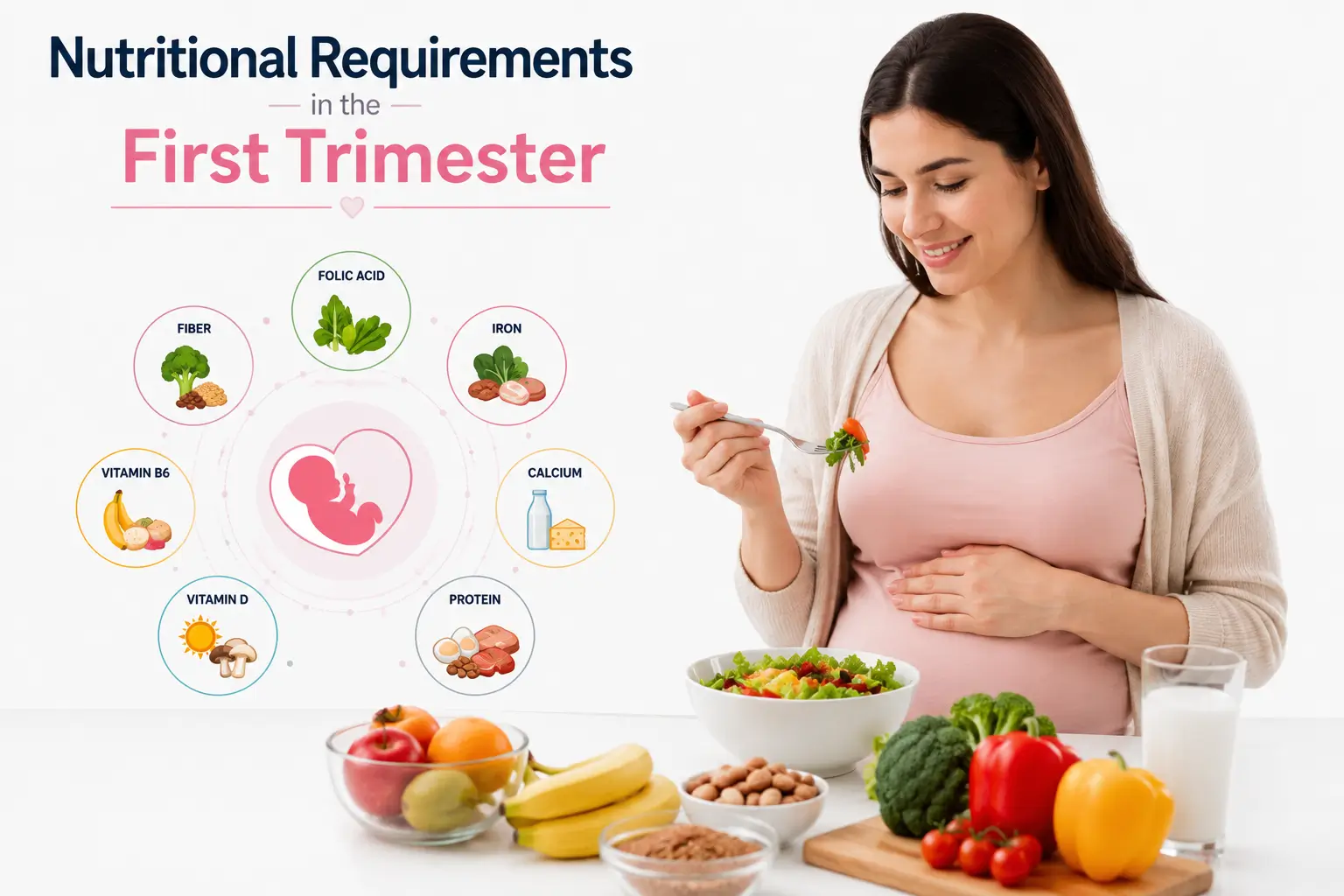
Growing babies depend on essential nutrients received through their mother's diet. Therefore, eating a variety of nutritious foods is extremely important during the first trimester.
Folic Acid RequirementFolic acid is one of the most important nutrients during early pregnancy. It supports the healthy development of the baby's brain and spinal cord and helps reduce the risk of neural tube defects.
Doctors usually recommend adequate folic acid intake before conception and throughout the first trimester. However, individual requirements should always be discussed with a healthcare professional.
Protein RequirementProtein supports the formation of new cells, tissues, muscles, and organs. It also contributes to the healthy development of the placenta and growing baby.
Including good-quality protein in every meal helps meet the increased nutritional demands of pregnancy.
Iron RequirementIron helps the body produce healthy red blood cells that carry oxygen to both mother and baby. During pregnancy, iron requirements increase because blood volume expands significantly.
Eating iron-rich foods alongside vitamin C-rich foods may improve iron absorption naturally.
Calcium and Vitamin DCalcium and Vitamin D work together to support healthy bone and teeth development in the baby. These nutrients also help maintain the mother's bone health throughout pregnancy.
Adequate intake becomes increasingly important as pregnancy progresses.
Hydration NeedsWater supports nearly every function during pregnancy. Proper hydration helps maintain amniotic fluid, improves digestion, supports nutrient transport, and may reduce constipation and headaches.
Healthy hydration options include:Pregnant women should drink fluids regularly throughout the day unless advised otherwise by their doctor.

Many women experience symptoms such as nausea, morning sickness, bloating, and loss of appetite during the first trimester. Fortunately, choosing the right foods may help reduce discomfort and improve overall well-being.
GingerGinger is commonly used to help manage mild nausea and morning sickness during early pregnancy. It can be consumed as ginger tea, added to meals, or taken in small amounts after consulting a doctor.
Lemon WaterFresh lemon water may help reduce nausea while supporting hydration. It also provides vitamin C, which contributes to iron absorption and supports the immune system.
BananasBananas are gentle on the stomach and easy to digest. They provide potassium and natural carbohydrates that help maintain energy levels, especially when appetite is reduced.
Dry CrackersPlain crackers or toast are often recommended before getting out of bed. They may help reduce morning sickness by settling the stomach.
Eat Small, Frequent MealsInstead of eating three large meals, pregnant women may find it more comfortable to eat smaller meals every two to three hours. This approach helps maintain stable energy levels and may reduce nausea and acidity.
While choosing healthy foods is important, avoiding certain foods can also support a safer pregnancy.
Healthcare professionals commonly advise limiting or avoiding:Following safe food practices helps reduce the risk of food-borne infections and supports a healthy pregnancy.
Although many pregnancy symptoms are normal, some situations require medical evaluation.
Consult a gynecologist if you experience:Early medical advice helps ensure both mother and baby receive appropriate care throughout pregnancy. Women can also benefit from personalized nutrition counselling based on their medical history, pregnancy progress, and lifestyle.
Related Reading: To understand the habits that should be avoided during early pregnancy, read "What Not to Do During the First 3 Months of Pregnancy.
At Neelam Hospital, expecting mothers receive comprehensive prenatal care from experienced gynecologists Dr. Shikha Gupta (MD, DNB), Director – IVF & Gyne Endoscopy, and Dr. Gaurika Aggarwal (MD, DNB), Director – IVF & Gyne Endoscopy.
With years of experience in pregnancy care, high risk pregnancies, fetal medicine, and women's health, both specialists focus on providing personalized treatment and nutritional guidance throughout pregnancy.
Many women from Punjab, Haryana, Chandigarh, Rajpura, and nearby regions have benefited from expert pregnancy care at Neelam Hospital. The hospital combines experienced specialists, modern diagnostic facilities, and compassionate support to help mothers enjoy a healthy pregnancy journey.
A balanced first trimester diet supports healthy pregnancy and fetal development. Regular prenatal check-ups and personalized nutrition guidance from experienced gynecologists help ensure the best care for both mother and baby.
Book your pregnancy consultation today at Neelam Hospital.
Fruits such as oranges, bananas, apples, pomegranates, and berries provide important vitamins, fiber, and antioxidants that support a healthy pregnancy.
2. Can pregnant women skip meals during the first trimester?Skipping meals is not recommended. Eating small, balanced meals throughout the day helps maintain energy levels and may reduce nausea.
3. Is milk important during early pregnancy?Yes. Milk provides calcium and protein, which support the baby's bone development and help meet the mother's increased nutritional needs.
4. When should I consult a gynecologist during the first trimester?Women should schedule an early prenatal visit after confirming pregnancy. Immediate medical attention is recommended if there is severe bleeding, persistent vomiting, severe abdominal pain, or any unusual symptoms.
5. Can I drink tea or coffee during the first trimester?Moderate caffeine intake is generally considered safe during pregnancy. However, excessive tea, coffee, or caffeinated beverages should be avoided. Always follow your doctor's advice regarding daily caffeine intake.
6. Can I follow a vegetarian diet during the first trimester?Yes. A well-planned vegetarian diet can provide important nutrients such as protein, iron, calcium, and folate. However, some women may need additional supplements based on their nutritional needs. Consult your gynecologist for personalized dietary advice.
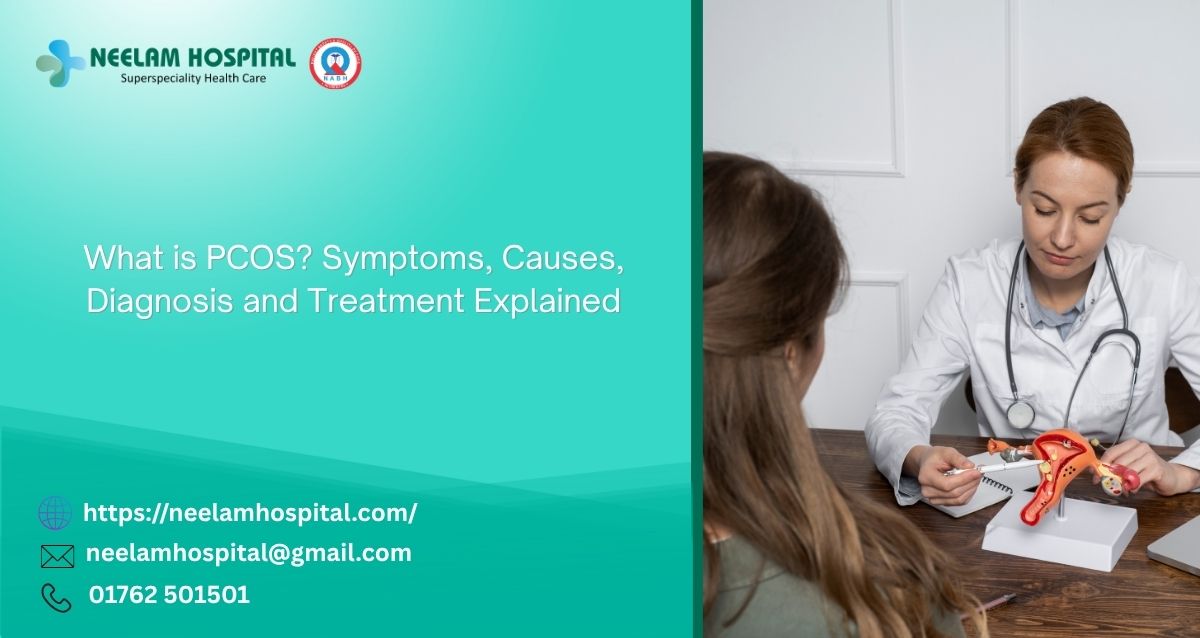
Polycystic Ovary Syndrome (PCOS) is one of the most common hormonal disorders affecting women of reproductive age. Despite being a widespread condition, many women remain unaware of its symptoms, causes, and long-term health effects. Early diagnosis and proper management can help improve overall health and quality of life.
At Neelam Hospital, experienced gynecology specialists help women receive comprehensive evaluation, personalized treatment, and ongoing support for PCOS and other reproductive health concerns. Under the guidance of Dr. Shikha Gupta (MD, DNB, Gynaecology, Director – IVF & Gyne Endoscopy) and Dr. Gaurika Aggarwal (MD, DNB, Gynaecology, Director – IVF & Gyne Endoscopy), both with over 15 years of experience, women receive expert care tailored to their individual needs.
.Polycystic Ovary Syndrome, commonly known as PCOS, is a hormonal condition that affects how the ovaries function. Women with PCOS may experience irregular menstrual cycles, hormonal imbalances, and difficulties related to ovulation.
The condition can affect fertility, metabolism, weight management, and overall reproductive health. While the exact cause is not fully understood, early medical intervention can help manage symptoms and reduce the risk of complications.
PCOS symptoms can vary from one woman to another. Some women may experience mild symptoms, while others may face more noticeable hormonal and reproductive health issues.
Common symptoms of PCOS include:
Women experiencing these symptoms should consider seeking a doctor consultation for proper evaluation and diagnosis.
The exact cause of Polycystic Ovary Syndrome (PCOS) is not fully known, but medical experts believe that a combination of hormonal, genetic, and lifestyle factors may contribute to its development. Understanding the causes of PCOS can help women recognize risk factors early and seek timely medical advice.
Hormonal imbalance is one of the most common factors associated with PCOS. Women with PCOS often have higher-than-normal levels of androgens, commonly known as male hormones. Elevated androgen levels can interfere with the normal growth and release of eggs from the ovaries, leading to irregular ovulation and menstrual cycles.
Hormonal changes may also contribute to symptoms such as:Many women with PCOS experience insulin resistance, a condition in which the body's cells do not respond effectively to insulin. As a result, the body produces more insulin to maintain normal blood sugar levels.
Higher insulin levels can stimulate the ovaries to produce more androgens, which may worsen PCOS symptoms and affect ovulation. Insulin resistance is also associated with:
Managing insulin resistance through a healthy diet, regular exercise, and medical guidance can help improve PCOS symptoms.
Genetics may also play a significant role in the development of PCOS. Women who have a mother, sister, or close family member with PCOS may be more likely to develop the condition themselves.
Although researchers are still studying the specific genes involved, family history remains an important risk factor. This is why women with a family history of PCOS should consider regular health checkups and early evaluation if symptoms appear.
Studies suggest that chronic low-grade inflammation may contribute to hormonal imbalances in women with PCOS. Inflammation can stimulate the production of androgens and may affect the body's ability to regulate hormones effectively.
Over time, persistent inflammation may also increase the risk of other health conditions, including metabolic disorders and cardiovascular issues. Adopting a healthy lifestyle, maintaining a balanced diet, and staying physically active may help support overall health and reduce inflammation-related risks.

Accurate diagnosis is essential for effective PCOS treatment and long-term health management. Since PCOS symptoms can vary from one woman to another, doctors usually use a combination of medical history, physical examination, and diagnostic tests to confirm the condition.
Early diagnosis can help prevent complications related to fertility, weight management, hormonal imbalance, and metabolic health. Women experiencing irregular periods, unexplained weight gain, acne, or excessive hair growth should consider consulting a gynecology specialist for proper evaluation.
Medical History ReviewThe diagnostic process often begins with a detailed discussion about the patient's medical history. The doctor may ask questions about menstrual cycle patterns, fertility concerns, weight changes, and family history of PCOS or related hormonal disorders.
Understanding a woman's symptoms and overall health history helps identify possible signs of Polycystic Ovary Syndrome and guides further testing if required.
Physical ExaminationA physical examination helps doctors assess common symptoms associated with PCOS. During the examination, the doctor may evaluate:
These physical signs can provide important clues about hormonal imbalances and insulin resistance.
Blood TestsBlood tests play an important role in diagnosing PCOS and ruling out other medical conditions that may cause similar symptoms.
Doctors may recommend tests to evaluate:These investigations help identify hormonal imbalances and assess overall metabolic health, which is often affected in women with PCOS.
Ultrasound ExaminationA pelvic ultrasound is commonly used to examine the ovaries and reproductive organs. The scan helps doctors identify features that may be associated with PCOS, such as enlarged ovaries or the presence of multiple small follicles.
There is currently no permanent cure for Polycystic Ovary Syndrome (PCOS), but the condition can often be managed effectively with the right combination of medical treatment, lifestyle changes, and regular monitoring. The treatment plan may vary depending on a woman's symptoms, age, overall health, and fertility goals.
Early treatment can help improve hormonal balance, regulate menstrual cycles, support fertility treatment, and reduce the risk of long-term health complications.
Lifestyle ModificationsHealthy lifestyle changes often form the foundation of PCOS treatment. For many women, improving daily habits can significantly reduce symptoms and support overall well-being.
These may include: Regular Physical ActivityEngaging in regular exercise can help improve insulin sensitivity, support weight management, and promote better hormonal balance. Activities such as walking, cycling, yoga, and strength training can be beneficial when performed consistently.
Weight ManagementEven a modest reduction in body weight may help improve menstrual regularity and ovulation in women who are overweight. Maintaining a healthy weight can also reduce the risk of diabetes and other metabolic conditions associated with PCOS.
Balanced NutritionA nutritious diet rich in fruits, vegetables, whole grains, lean proteins, and healthy fats can help manage blood sugar levels and support hormonal health. Limiting processed foods, sugary beverages, and excessive refined carbohydrates may also be helpful.
Stress ManagementChronic stress can affect hormone levels and overall health. Relaxation techniques such as meditation, deep breathing exercises, and mindfulness practices may help reduce stress and improve emotional well-being.
Adequate SleepQuality sleep plays an important role in hormone regulation and overall health. Women with PCOS should aim for 7–8 hours of restful sleep each night to support metabolic and reproductive health.
MedicationsDepending on the symptoms and individual health needs, doctors may prescribe medications to help regulate menstrual cycles, manage hormonal imbalances, improve insulin sensitivity, or support fertility.
Although PCOS cannot always be prevented, maintaining a healthy lifestyle, managing weight, staying physically active, eating a balanced diet, getting adequate sleep, and attending regular health checkups may help reduce symptom severity and lower the risk of long-term complications.
While home remedies cannot cure Polycystic Ovary Syndrome (PCOS), certain healthy habits may help support hormonal balance and improve overall well-being when combined with medical treatment.
Drink Herbal TeasCertain herbal teas, such as spearmint tea, may help support hormonal health and promote relaxation. However, they should not replace prescribed treatment.
Increase Fiber IntakeIncluding fiber-rich foods such as fruits, vegetables, legumes, and whole grains may help support healthy digestion and maintain stable blood sugar levels.
Choose Anti-Inflammatory FoodsFoods rich in antioxidants and omega-3 fatty acids, such as berries, leafy greens, nuts, seeds, and fatty fish, may help reduce inflammation associated with PCOS.
Stay HydratedDrinking adequate water throughout the day supports overall health, digestion, and metabolic function.
Limit Caffeine and Sugary DrinksReducing the intake of high-sugar beverages and excessive caffeine may help support hormonal and metabolic health.
Practice Mindfulness and RelaxationActivities such as meditation, journaling, deep breathing exercises, and mindfulness practices may help manage stress and improve emotional well-being.
Track Menstrual CyclesKeeping a record of menstrual cycles, symptoms, and lifestyle habits can help women better understand their condition and identify any changes that may require medical attention.
Avoid Smoking and Excessive Alcohol ConsumptionMaintaining healthy lifestyle habits may help reduce additional health risks and support overall hormonal balance.
A healthy and balanced diet plays an important role in managing Polycystic Ovary Syndrome (PCOS) and supporting overall hormonal health. Proper nutrition may help improve insulin sensitivity, maintain a healthy weight, regulate blood sugar levels, and reduce the risk of long-term health complications associated with PCOS. While there is no single diet that works for every woman, focusing on nutrient-rich foods can contribute to better symptom management and overall well-being.
High-Fiber FoodsFiber-rich foods may help support healthy digestion, regulate blood sugar levels, and promote a feeling of fullness, which can assist with weight management.
Examples include:Including high-fiber foods in daily meals may support metabolic health and improve overall dietary balance.
Lean Protein SourcesProtein is an essential nutrient that supports muscle health, promotes satiety, and helps maintain steady energy levels throughout the day.
Recommended options include:A balanced intake of lean protein can help support overall nutritional health and appetite control.
Healthy FatsHealthy fats play an important role in hormone production and overall well-being. Choosing nutritious sources of fat instead of processed or trans fats may support heart and metabolic health.
Examples include:These foods provide essential nutrients and can be incorporated into a balanced PCOS-friendly diet.
Low-Glycemic Index (GI) FoodsLow-GI foods are digested more slowly and may help maintain stable blood sugar levels. They can be particularly beneficial for women with PCOS who experience insulin resistance.
Examples include:Including low-GI foods in meals may help support better blood sugar management and sustained energy levels.
Every woman experiences PCOS differently. Professional medical evaluation helps identify individual concerns and develop a personalized treatment plan.
At Neelam Hospital, women benefit from the expertise of Dr. Shikha Gupta and Dr. Gaurika Aggarwal, both highly qualified gynecology specialists with more than 15 years of experience in women's health, fertility care, IVF, and advanced gynecological treatments.
Their patient-focused approach helps women receive comprehensive care, accurate diagnosis, and ongoing support throughout their health journey.
PCOS is a common hormonal condition that can affect menstrual health, fertility, metabolism, and overall well-being. Understanding the symptoms, causes, diagnosis, and treatment options can help women seek timely care and manage the condition effectively.Patients can also learn more about PCOS from trusted medical resources.
With proper lifestyle changes, medical guidance, and regular monitoring, many women with PCOS can successfully manage their symptoms and lead healthy lives.
If you are experiencing symptoms of PCOS or have concerns about reproductive health, consulting an experienced gynecology specialist at Neelam Hospital can help you receive personalized care and expert guidance.
Common early symptoms include irregular periods, acne, weight gain, excess facial hair growth, and difficulty with ovulation.
Yes. PCOS can affect ovulation and may make it more difficult to conceive, but many treatment options are available.
There is currently no permanent cure for PCOS, but symptoms can often be managed effectively through lifestyle changes and medical treatment.
A balanced diet rich in fiber, lean protein, healthy fats, fruits, and vegetables is commonly recommended for women with PCOS.
Women experiencing irregular periods, unexplained weight gain, fertility concerns, or other hormonal symptoms should seek medical evaluation for proper diagnosis and treatment.
The first trimester of pregnancy is one of the most important phases in a woman’s journey to motherhood. During these early weeks, your baby’s organs, brain, and heartbeat begin to develop rapidly. At the same time, the body goes through major hormonal and physical changes. Because of this, proper early pregnancy care becomes essential for both mother and baby.
Many women focus only on what they should do during pregnancy, but understanding what not to do during the first 3 months of pregnancy is equally important. Avoiding certain habits, foods, and activities can help reduce risks and support a healthier pregnancy experience.
According to specialists at Neelam Hospital, the first trimester plays a crucial role in building a healthy pregnancy. Proper medical guidance, nutrition, and lifestyle precautions during these early weeks can support both maternal and fetal health.
One of the biggest mistakes during early pregnancy is delaying the first prenatal visit. Regular checkups help monitor your baby’s development and detect any health concerns early.
During the first trimester, doctors usually recommend:
Timely medical care ensures better pregnancy safety and reduces complications later.
Smoking and alcohol are among the most harmful things during pregnancy. These substances can affect the baby’s growth and increase the risk of miscarriage, low birth weight, or developmental problems.
Even passive smoking can be harmful. Pregnant women should stay away from:
A healthy environment is an important part of first trimester precautions.
Food plays a major role in pregnancy health. However, certain foods may increase the risk of infections or complications.
Some common foods to avoid in pregnancy include:
Instead, focus on fresh fruits, vegetables, protein-rich meals, and proper hydration. A balanced diet supports the baby’s development and helps control nausea and fatigue.

Light movement and walking are generally considered safe during normal pregnancies, but heavy lifting and strenuous workouts should be avoided in the first trimester.
Overexertion can lead to:
Pregnancy-safe exercises should always be discussed with a qualified doctor, especially in IVF pregnancies or high-risk cases.
Many women take over-the-counter medicines without realizing that some medications may not be safe during pregnancy.
Painkillers, antibiotics, hormonal medicines, and herbal supplements should never be taken without medical advice. Even natural remedies may not always be pregnancy-safe.
Always consult a qualified gynaecologist before taking:
Safe medication guidance is an important part of pregnancy do’s and don’ts.
Hormonal changes during pregnancy can already make women feel emotionally sensitive. Continuous stress, anxiety, or poor sleep may affect overall well-being.
To support emotional health:
Mental wellness is just as important as physical health during pregnancy.
Folic acid is one of the most important nutrients during early pregnancy. It supports the baby’s brain and spinal cord development.
Doctors often recommend:
Skipping supplements without medical guidance may affect maternal and fetal health.
While small amounts of caffeine may be acceptable, excessive intake should be avoided.
High caffeine consumption may increase:
Pregnancy complications in some cases
Try limiting:Moderation is key during the first trimester.
Certain symptoms during pregnancy should never be ignored.
Contact your doctor immediately if you experience:
Early medical attention can prevent complications and improve pregnancy outcomes.
Every pregnancy is unique. Women with IVF pregnancies, previous miscarriages, thyroid issues, PCOS, or high-risk conditions may need additional care and monitoring.
At Neelam Hospital, experienced specialists like Dr. Gaurika Aggarwal and Dr. Shikha Gupta focus on personalized pregnancy care, fertility treatments, and women’s wellness. With more than 15 years of experience and qualifications including MD and DNB in Gynaecology, they provide guidance for safe and healthy pregnancies.
The first three months of pregnancy are delicate but exciting. Taking the right precautions during this period can make a significant difference in both maternal and baby health.
Simple habits like eating nutritious food, avoiding harmful substances, attending regular checkups, and following expert medical advice can help create a strong foundation for a healthy pregnancy journey.
Understanding these first trimester precautions is not about fear — it is about making informed and safe choices for you and your baby.
Women should avoid smoking, alcohol, unsafe foods, heavy lifting, excessive caffeine, and self-medication during the first trimester.
Raw seafood, unpasteurized dairy products, undercooked meat, and processed foods with preservatives are generally avoided during pregnancy.
In most normal pregnancies, light walking is considered safe. However, women with high-risk pregnancies or IVF conception should consult their doctor first.
Folic acid supports the baby’s brain and spinal cord development and helps reduce the risk of birth defects.
It is recommended to schedule the first prenatal checkup soon after pregnancy confirmation for proper early pregnancy care and monitoring.
In most healthy pregnancies, sex during the first 3 months of pregnancy is generally safe and does not harm the baby. However, women who experience vaginal bleeding, severe pain, a history of miscarriage, or other pregnancy complications should consult their doctor before having intercourse. Always follow your healthcare provider's advice to ensure a safe and healthy pregnancy.