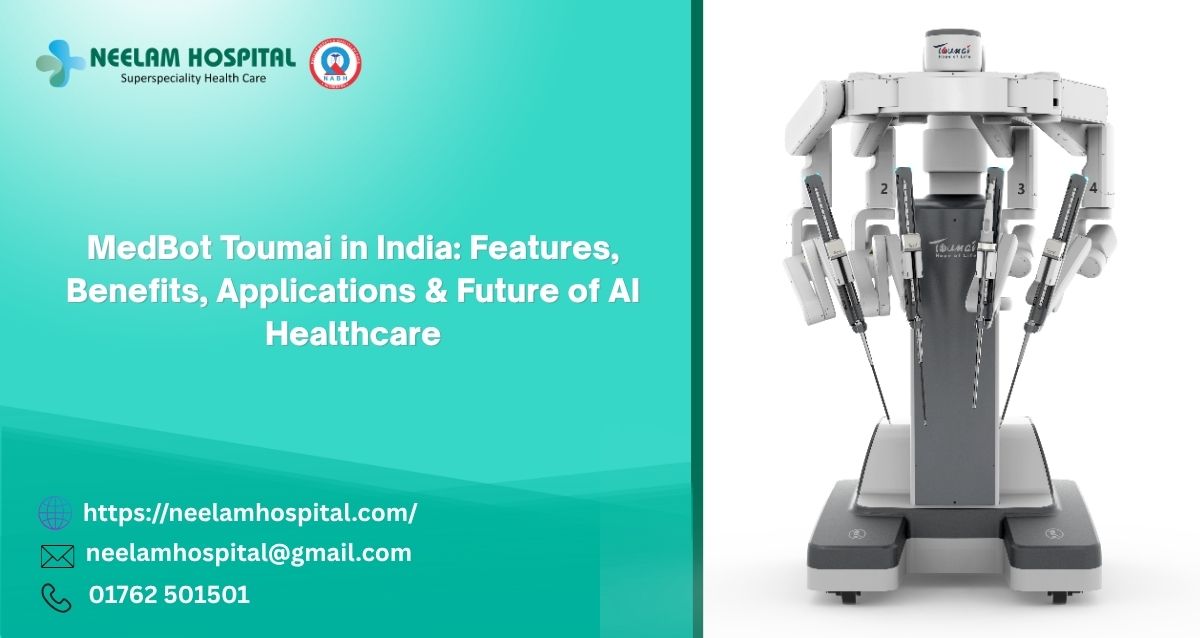
Introduction to MedBot Toumai in India: Technology is transforming healthcare across the world, and India is rapidly embracing innovative medical solutions to improve patient care. One of the most significant developments in recent years is the introduction of advanced robotic-assisted surgical systems. Among these innovations, MedBot Toumai in India has emerged as an important step toward the future of precision healthcare and digital medical innovation.
As hospitals continue to adopt advanced healthcare technologies, robotic surgery is helping doctors perform complex procedures with greater precision, control, and efficiency. The integration of MedBot Toumai healthcare AI technology reflects the growing role of artificial intelligence and robotics in modern medicine.
At Neelam Hospital, the introduction of the MedBot Toumai robotic system demonstrates a commitment to bringing advanced healthcare technology closer to patients and supporting better treatment outcomes through innovation.
MedBot Toumai is an advanced robotic-assisted surgical platform designed to support surgeons during minimally invasive procedures. The system combines robotic precision, high-definition visualization, and intelligent surgical assistance to help healthcare professionals perform complex surgeries with enhanced accuracy.
Unlike traditional surgical methods, robotic-assisted surgery allows surgeons to control robotic instruments through a specialized console. The system translates the surgeon’s hand movements into highly precise instrument movements, helping improve surgical performance in suitable procedures.
As AI healthcare India continues to evolve, robotic systems such as MedBot Toumai are becoming an important part of modern healthcare infrastructure.
The healthcare sector in India is witnessing a shift toward technology-driven treatment approaches. Robotic surgery is playing a major role in this transformation by offering advanced solutions for complex medical procedures.
MedBot Toumai in India contributes to this advancement by supporting:
By assisting surgeons with advanced robotic capabilities, the system helps support modern standards of surgical care while maintaining the expertise and decision-making of experienced medical professionals.
The MedBot Toumai robotic platform provides surgeons with detailed, magnified, and high-definition 3D views of the surgical area. Enhanced visualization helps doctors identify important anatomical structures more clearly, allowing for greater precision and improved decision-making during complex procedures.
Advanced Instrument ControlThe robotic arms are designed to perform delicate and highly controlled movements with exceptional stability and accuracy. This advanced level of control helps surgeons work effectively in confined or difficult-to-reach areas where precision is critical for successful surgical outcomes.
Minimally Invasive Surgical SupportMedBot Toumai supports minimally invasive surgical techniques that often require smaller incisions than traditional open surgery. Smaller incisions may help reduce tissue trauma, support patient comfort, and contribute to a smoother recovery process in suitable cases.
AI-Assisted Surgical TechnologyThe integration of MedBot Toumai healthcare AI technology helps optimize surgical workflows and improve procedural efficiency. Advanced software and intelligent system support assist surgeons in planning and performing procedures while maintaining complete clinical control throughout the operation.
Enhanced Surgeon ErgonomicsThe robotic system allows surgeons to operate from a dedicated console designed for comfort and precision. Improved ergonomics can help reduce physical strain and fatigue during lengthy procedures, enabling surgeons to maintain focus and consistency throughout complex operations.
Tremor Filtration and Motion StabilityThe robotic platform is designed to filter out natural hand tremors and translate the surgeon’s movements into smooth, controlled actions. This feature supports greater surgical precision, especially during delicate procedures that require meticulous attention to detail.
Improved Access to Complex Surgical AreasThe advanced design of the robotic instruments allows surgeons to navigate complex anatomical structures with greater flexibility and control. This capability can be particularly valuable in procedures that require precise movements within confined surgical spaces.
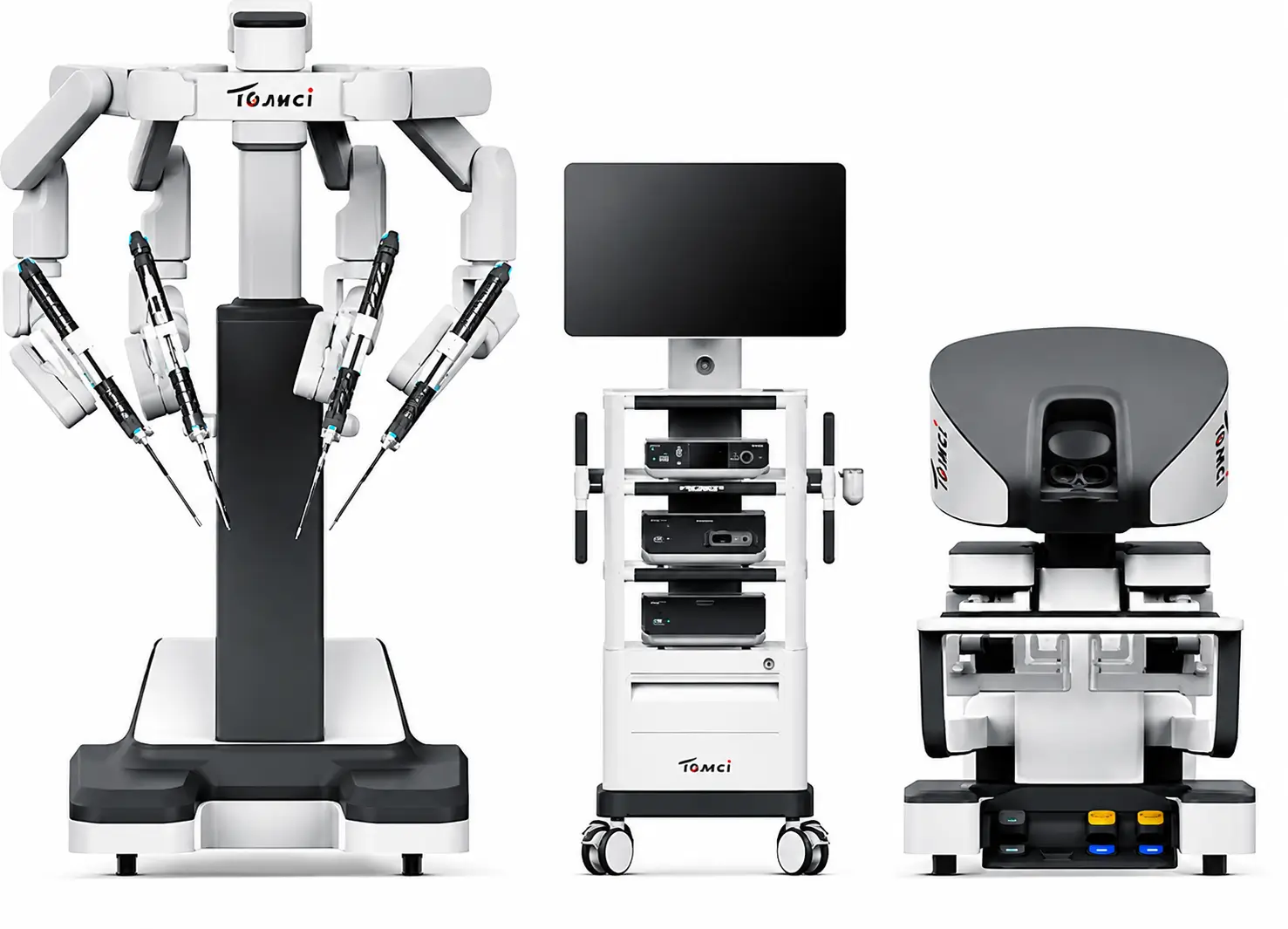
Robotic-assisted surgery continues to expand across multiple medical specialties, helping surgeons perform complex procedures with enhanced precision and control. The MedBot Toumai system has potential applications in several areas of healthcare where accuracy and minimally invasive techniques are particularly important.
UrologyRobotic technology is frequently used in urological procedures where precision is essential. The MedBot Toumai system may assist surgeons during selected kidney, bladder, and prostate-related surgeries by providing enhanced visualization and precise instrument control.
GynecologyComplex gynecological procedures may benefit from advanced robotic-assisted techniques in appropriate cases. The system can support surgeons during selected surgeries involving the uterus, ovaries, and other reproductive organs while helping improve surgical accuracy and control.
General SurgeryVarious minimally invasive procedures in general surgery can be supported through robotic platforms. Enhanced dexterity and high-definition visualization may assist surgeons in performing procedures that require careful dissection and precision.
Oncology ProceduresIn suitable cancer-related surgeries, robotic assistance may support meticulous surgical planning and execution. The technology helps surgeons operate with enhanced precision when removing tumors while preserving surrounding healthy tissues whenever clinically appropriate.
Hepatobiliary and Pancreatic SurgeryCertain liver, gallbladder, and pancreatic procedures may benefit from robotic-assisted surgical techniques. The precision offered by advanced robotic systems can support surgeons during technically demanding operations.
As digital healthcare solutions continue to evolve, robotic technology is expected to expand into additional medical specialties. Ongoing advancements in MedBot Toumai healthcare AI and robotic-assisted surgery may further enhance treatment precision, surgical efficiency, and patient care across the Indian healthcare system.
The growing adoption of robotic surgery reflects the broader transformation of AI healthcare in India, where innovation continues to support safer, more advanced, and patient-focused medical care.
MedBot Toumai helps surgeons perform delicate procedures with greater accuracy and control. Enhanced precision can support better surgical outcomes while helping protect surrounding healthy tissues during complex operations.
Smaller Incisions in Suitable ProceduresMany robotic-assisted procedures use minimally invasive techniques that require smaller incisions compared to traditional surgery. Smaller incisions may result in less tissue disruption and improved patient comfort during recovery.
Potential for Faster RecoveryBecause robotic-assisted surgery often involves precise movements and minimally invasive approaches, some patients may experience shorter recovery periods and return to daily activities sooner, depending on their medical condition and the type of procedure performed.
Enhanced Treatment ExperienceAdvanced healthcare technology helps create a more patient-focused treatment environment. From improved surgical planning to modern hospital facilities, patients can benefit from a smoother healthcare journey and greater confidence in their care.
The MedBot Toumai robotic platform translates the surgeon’s hand movements into highly precise instrument actions. This enhanced control allows surgeons to perform complex procedures with improved stability and accuracy.
Better VisualizationThe system provides high-definition 3D imaging and magnified views of the surgical area. Enhanced visualization helps surgeons clearly identify important anatomical structures and make more informed decisions during surgery.
Support for Complex ProceduresRobotic-assisted technology can assist surgeons in managing technically challenging procedures that require exceptional precision. The advanced capabilities of the system support careful surgical execution while maintaining the surgeon’s complete control over the procedure.
Improved Ergonomics for SurgeonsThe robotic console is designed to provide a comfortable operating environment during lengthy procedures. Improved ergonomics may help reduce physical strain and allow surgeons to maintain focus throughout complex surgeries.
While robotic surgery offers many benefits, certain challenges still exist that healthcare providers and patients should understand before choosing this advanced treatment approach.
High Initial InvestmentRobotic surgical systems require significant investment in technology, infrastructure, and maintenance. Hospitals must invest in advanced equipment, specialized operating rooms, and ongoing technical support to ensure safe and efficient use of robotic platforms.
Specialized Training RequirementsOperating a robotic surgical system requires extensive training and practical experience. Surgeons, nursing staff, and operating room teams must undergo specialized education to use the technology effectively and maintain high standards of patient care.
AccessibilityAlthough robotic surgery is becoming more available across India, access may still be limited in some regions. Advanced robotic systems are primarily available in selected hospitals and healthcare centers that have invested in modern medical technology and infrastructure.
Patient SelectionRobotic surgery may not be the most suitable option for every patient or medical condition. Doctors carefully evaluate factors such as the patient's overall health, the complexity of the disease, and the type of procedure before recommending robotic-assisted treatment.
Cost ConsiderationsIn some cases, robotic-assisted procedures may involve higher treatment costs compared to conventional surgical approaches. Patients should discuss available treatment options, expected benefits, and overall costs with their healthcare provider before making a decision.
Despite these challenges, the adoption of robotic healthcare technology continues to grow across India. As technology becomes more widely available and healthcare infrastructure advances, robotic-assisted surgery is expected to play an increasingly important role in improving patient care and surgical outcomes.
The future of AI healthcare India appears highly promising as hospitals increasingly invest in advanced medical technologies. Robotic-assisted surgery is expected to become more accessible, efficient, and integrated into healthcare systems over time.
Future developments may include:As innovation continues, robotic-assisted healthcare is likely to become an important part of patient-centered treatment strategies.
Institutions that invest in modern healthcare technologies today are helping shape the future of medicine for the next generation of patients.
The adoption of MedBot Toumai in India has marked a significant milestone in the country's robotic surgery landscape. Kokilaben Dhirubhai Ambani Hospital was among the first healthcare institutions in India to introduce the MedBot Toumai robotic surgical system, demonstrating the growing acceptance of advanced robotic-assisted procedures in the country.
Building on this momentum, Neelam Hospital became the first hospital in North India to implement the MedBot Toumai robotic platform. This achievement highlights the hospital's commitment to bringing world-class surgical innovation closer to patients in Punjab and neighboring regions. By integrating MedBot Toumai into its healthcare infrastructure, Neelam Hospital is contributing to the expansion of robotic surgery and enhancing access to advanced minimally invasive treatment options across North India.
Neelam Hospital continues to embrace modern healthcare advancements by incorporating innovative technologies and patient-focused treatment approaches. The introduction of the MedBot Toumai robotic system reflects the hospital's commitment to delivering advanced healthcare solutions while maintaining high standards of patient care.
By combining experienced medical professionals with cutting-edge healthcare technology, Neelam Hospital aims to support safer, more precise, and efficient treatment experiences for patients across Punjab and surrounding regions.
MedBot Toumai in India represents an important advancement in robotic-assisted healthcare and modern surgical innovation. By combining robotic precision, artificial intelligence, and advanced visualization capabilities, the system is helping transform the future of surgery and patient care.
As AI healthcare India continues to grow, technologies such as MedBot Toumai healthcare AI will play a larger role in improving treatment outcomes, supporting medical professionals, and expanding access to advanced healthcare services.
With ongoing investments in digital healthcare solutions and modern medical infrastructure, hospitals like Neelam Hospital are helping drive the next phase of healthcare innovation in India.
MedBot Toumai is an advanced robotic-assisted surgical system designed to support surgeons during minimally invasive procedures with enhanced precision and control.
The system combines robotic technology, intelligent surgical assistance, and advanced visualization tools to support surgeons during complex procedures.
Yes. Robotic-assisted surgery is increasingly available in India as hospitals adopt advanced healthcare technologies to improve patient care and surgical outcomes.
Potential benefits may include enhanced surgical precision, improved visualization, minimally invasive techniques, and support for faster recovery in suitable cases.