
The first few weeks of pregnancy play an important role in a baby's growth and development. Understanding what to eat during first trimester pregnancy helps expectant mothers make healthy food choices that support both maternal health and fetal development. During this stage, the mother's body undergoes several physical and hormonal changes that increase nutritional needs. Therefore, following a healthy first trimester diet plan is essential for providing the nutrients needed for a healthy pregnancy.
Good nutrition during early pregnancy provides essential vitamins, minerals, proteins, and healthy fats that contribute to the formation of the baby's brain, spine, bones, and other vital organs. At the same time, eating balanced meals can help manage common pregnancy symptoms such as nausea, fatigue, and constipation.
The first trimester begins from conception and continues until the end of the twelfth week. Although the baby is still very small, this period is one of the most important stages of pregnancy because major organs begin forming rapidly.
Proper pregnancy nutrition during the first trimester helps support healthy fetal growth while reducing the risk of nutritional deficiencies. Regular prenatal check-ups and a balanced diet also contribute to a healthier pregnancy journey.
During the first trimester, hormone levels rise quickly to support the developing pregnancy. These hormonal changes can lead to several common symptoms, including:
Although these symptoms are common, eating nutritious foods and staying hydrated may help improve overall comfort during early pregnancy.
During the first twelve weeks, the baby's body develops at an incredible pace. Important organs and body systems begin forming, including:
Because this development happens very early, choosing the right foods for early pregnancy becomes especially important.
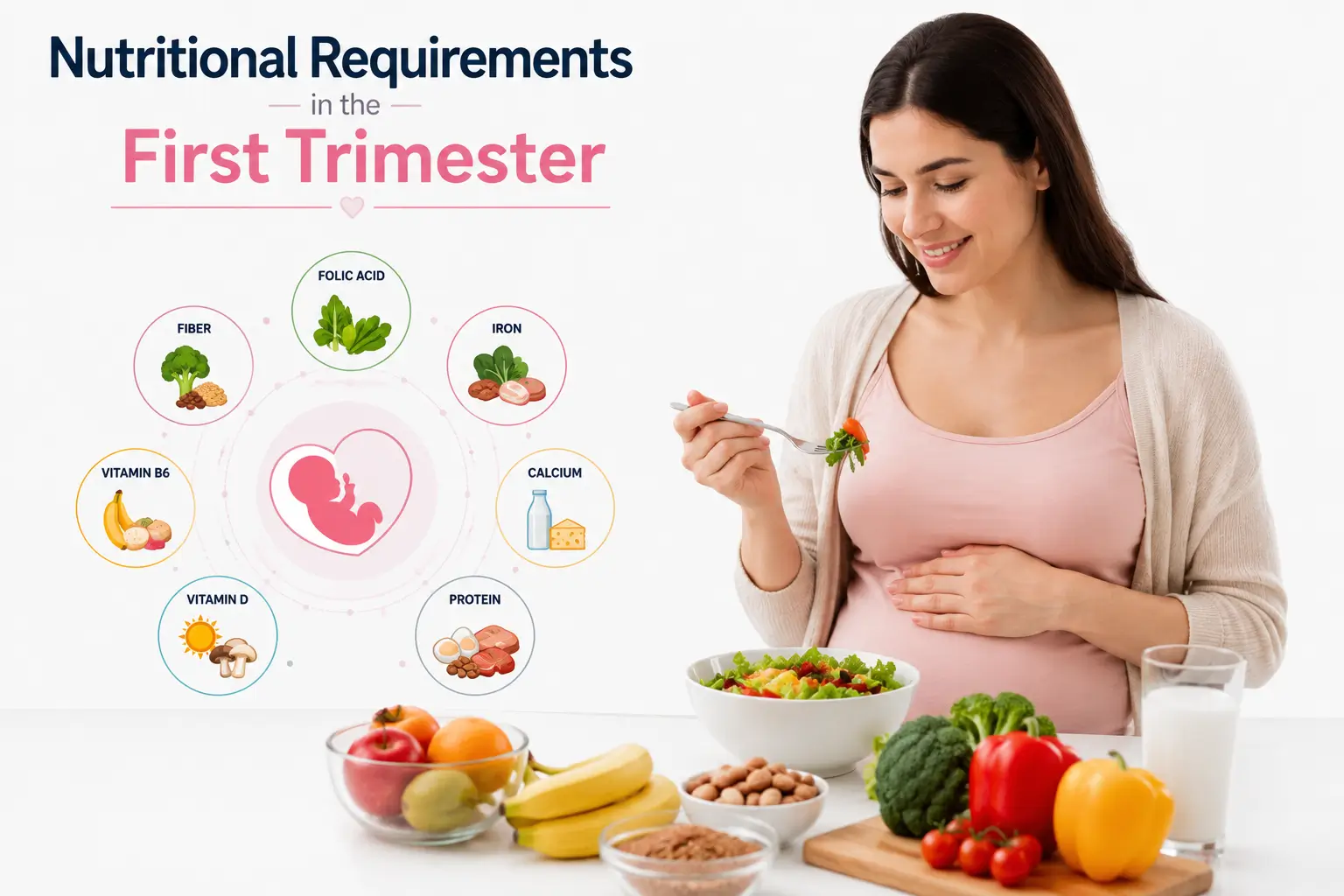
Growing babies depend on essential nutrients received through their mother's diet. Therefore, eating a variety of nutritious foods is extremely important during the first trimester.
Folic Acid RequirementFolic acid is one of the most important nutrients during early pregnancy. It supports the healthy development of the baby's brain and spinal cord and helps reduce the risk of neural tube defects.
Doctors usually recommend adequate folic acid intake before conception and throughout the first trimester. However, individual requirements should always be discussed with a healthcare professional.
Protein RequirementProtein supports the formation of new cells, tissues, muscles, and organs. It also contributes to the healthy development of the placenta and growing baby.
Including good-quality protein in every meal helps meet the increased nutritional demands of pregnancy.
Iron RequirementIron helps the body produce healthy red blood cells that carry oxygen to both mother and baby. During pregnancy, iron requirements increase because blood volume expands significantly.
Eating iron-rich foods alongside vitamin C-rich foods may improve iron absorption naturally.
Calcium and Vitamin DCalcium and Vitamin D work together to support healthy bone and teeth development in the baby. These nutrients also help maintain the mother's bone health throughout pregnancy.
Adequate intake becomes increasingly important as pregnancy progresses.
Hydration NeedsWater supports nearly every function during pregnancy. Proper hydration helps maintain amniotic fluid, improves digestion, supports nutrient transport, and may reduce constipation and headaches.
Healthy hydration options include:Pregnant women should drink fluids regularly throughout the day unless advised otherwise by their doctor.
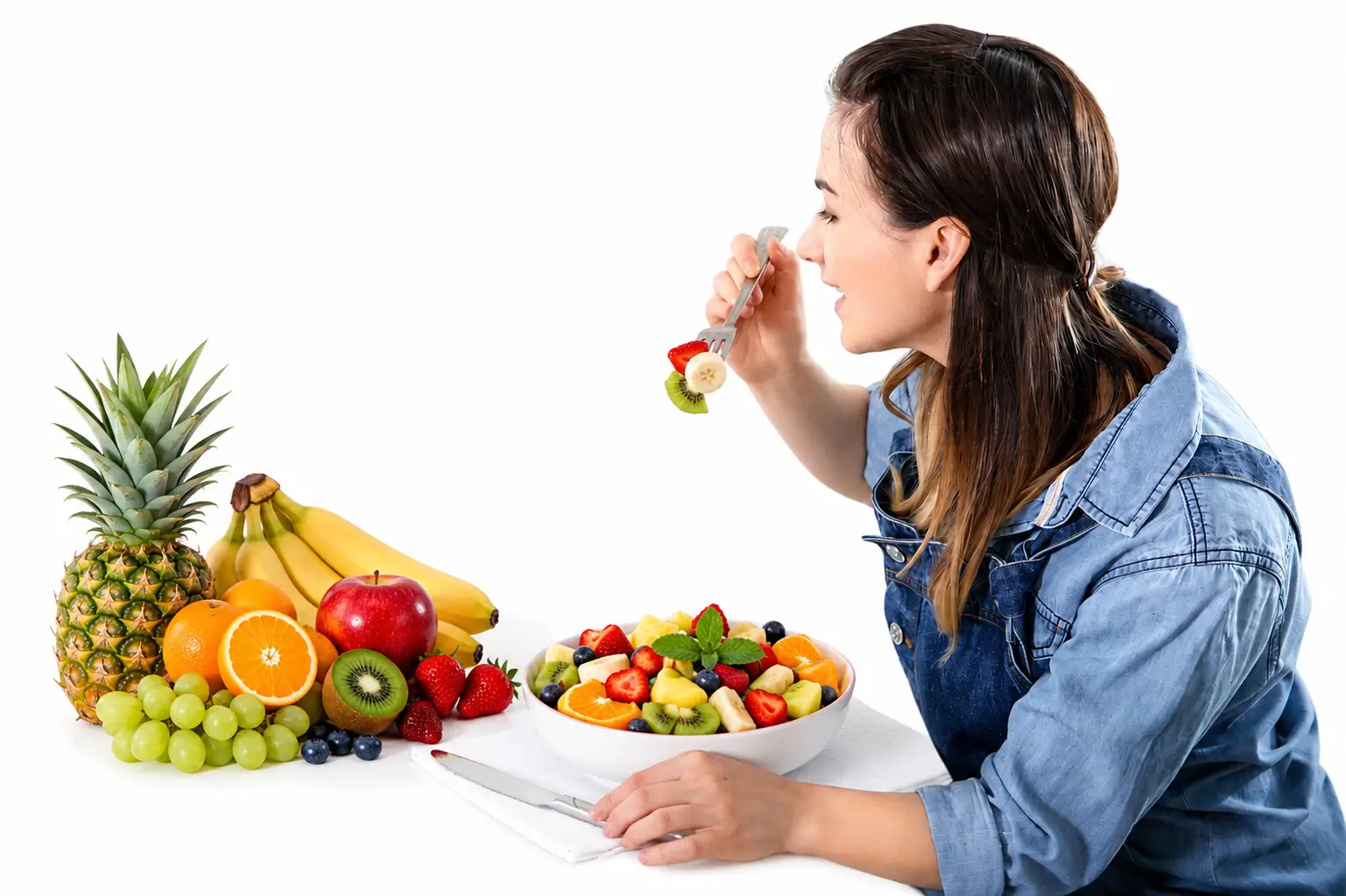
Many women experience symptoms such as nausea, morning sickness, bloating, and loss of appetite during the first trimester. Fortunately, choosing the right foods may help reduce discomfort and improve overall well-being.
GingerGinger is commonly used to help manage mild nausea and morning sickness during early pregnancy. It can be consumed as ginger tea, added to meals, or taken in small amounts after consulting a doctor.
Lemon WaterFresh lemon water may help reduce nausea while supporting hydration. It also provides vitamin C, which contributes to iron absorption and supports the immune system.
BananasBananas are gentle on the stomach and easy to digest. They provide potassium and natural carbohydrates that help maintain energy levels, especially when appetite is reduced.
Dry CrackersPlain crackers or toast are often recommended before getting out of bed. They may help reduce morning sickness by settling the stomach.
Eat Small, Frequent MealsInstead of eating three large meals, pregnant women may find it more comfortable to eat smaller meals every two to three hours. This approach helps maintain stable energy levels and may reduce nausea and acidity.
While choosing healthy foods is important, avoiding certain foods can also support a safer pregnancy.
Healthcare professionals commonly advise limiting or avoiding:Following safe food practices helps reduce the risk of food-borne infections and supports a healthy pregnancy.
Although many pregnancy symptoms are normal, some situations require medical evaluation.
Consult a gynecologist if you experience:Early medical advice helps ensure both mother and baby receive appropriate care throughout pregnancy. Women can also benefit from personalized nutrition counselling based on their medical history, pregnancy progress, and lifestyle.
Related Reading: To understand the habits that should be avoided during early pregnancy, read "What Not to Do During the First 3 Months of Pregnancy.
At Neelam Hospital, expecting mothers receive comprehensive prenatal care from experienced gynecologists Dr. Shikha Gupta (MD, DNB), Director – IVF & Gyne Endoscopy, and Dr. Gaurika Aggarwal (MD, DNB), Director – IVF & Gyne Endoscopy.
With years of experience in pregnancy care, high risk pregnancies, fetal medicine, and women's health, both specialists focus on providing personalized treatment and nutritional guidance throughout pregnancy.
Many women from Punjab, Haryana, Chandigarh, Rajpura, and nearby regions have benefited from expert pregnancy care at Neelam Hospital. The hospital combines experienced specialists, modern diagnostic facilities, and compassionate support to help mothers enjoy a healthy pregnancy journey.
A balanced first trimester diet supports healthy pregnancy and fetal development. Regular prenatal check-ups and personalized nutrition guidance from experienced gynecologists help ensure the best care for both mother and baby.
Book your pregnancy consultation today at Neelam Hospital.
Fruits such as oranges, bananas, apples, pomegranates, and berries provide important vitamins, fiber, and antioxidants that support a healthy pregnancy.
2. Can pregnant women skip meals during the first trimester?Skipping meals is not recommended. Eating small, balanced meals throughout the day helps maintain energy levels and may reduce nausea.
3. Is milk important during early pregnancy?Yes. Milk provides calcium and protein, which support the baby's bone development and help meet the mother's increased nutritional needs.
4. When should I consult a gynecologist during the first trimester?Women should schedule an early prenatal visit after confirming pregnancy. Immediate medical attention is recommended if there is severe bleeding, persistent vomiting, severe abdominal pain, or any unusual symptoms.
5. Can I drink tea or coffee during the first trimester?Moderate caffeine intake is generally considered safe during pregnancy. However, excessive tea, coffee, or caffeinated beverages should be avoided. Always follow your doctor's advice regarding daily caffeine intake.
6. Can I follow a vegetarian diet during the first trimester?Yes. A well-planned vegetarian diet can provide important nutrients such as protein, iron, calcium, and folate. However, some women may need additional supplements based on their nutritional needs. Consult your gynecologist for personalized dietary advice.