Knee pain can gradually affect many parts of daily life. Walking, climbing stairs, getting out of a chair and sleeping comfortably may become difficult. For some people, the discomfort improves with appropriate treatment. For others, persistent pain and reduced movement may indicate significant damage to the knee joint.
Knee Replacement Surgery in Rajpura is one treatment option for people with severe knee joint damage, particularly when other treatments no longer provide enough relief. However, not everyone with knee pain or arthritis needs an operation. The decision depends on the severity of symptoms, joint damage, general health and response to non-surgical treatment.
Knee replacement surgery is an operation in which a surgeon replaces damaged surfaces of the knee joint with artificial components. These components are usually made from metal and durable plastic.
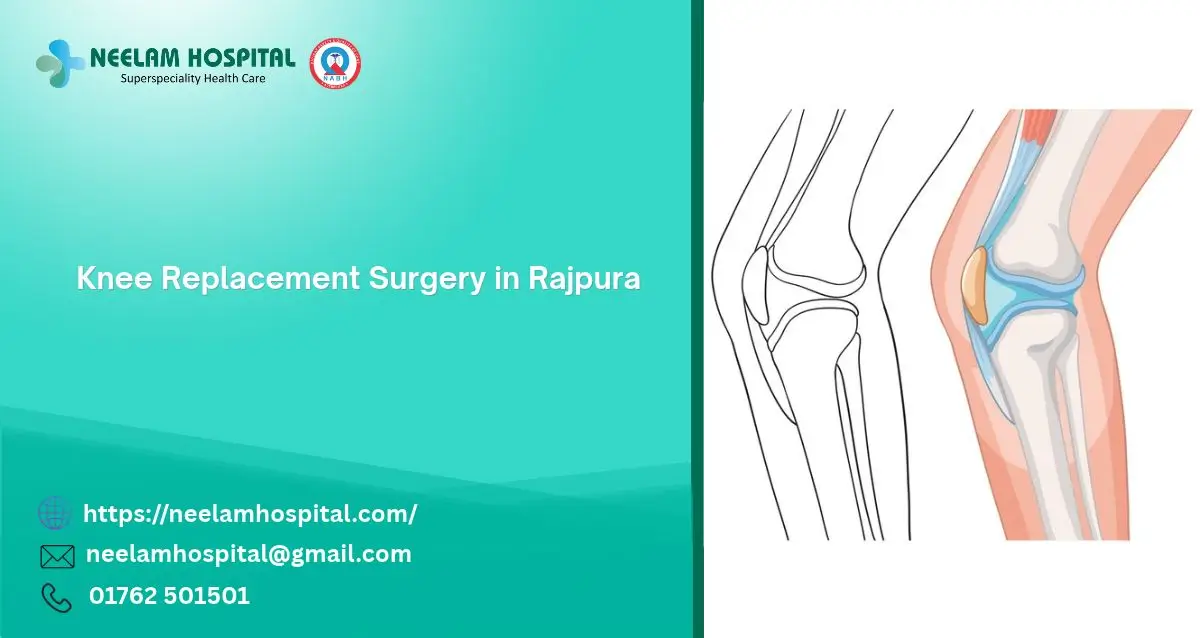
The knee joint connects the thigh bone to the shin bone. Smooth cartilage covers the ends of these bones and helps them move against each other. When cartilage wears away or becomes damaged, movement can become painful and stiff.
Osteoarthritis is a common cause of this damage. Other conditions, including certain forms of arthritis or previous injuries, may also affect the joint.
The aim of knee replacement is to reduce pain and improve the knee's function. It may help suitable patients walk more comfortably and manage everyday activities. However, results vary, and recovery requires rehabilitation.
There are two main types of knee joint replacement:The appropriate procedure depends on the location and extent of damage. An orthopaedic specialist can explain which options may be appropriate after examining the knee.
Knee Replacement Surgery in Rajpura may be considered when severe joint damage causes ongoing pain and limits daily activities, especially when suitable non-surgical treatments have not helped enough.
A specialist may discuss surgery if you experience one or more of the following problems.
1. Persistent knee pain affects everyday activitiesPain that repeatedly interferes with walking, standing, household tasks or personal care deserves medical assessment. When joint damage is advanced, even simple movements may become uncomfortable.
If the pain continues despite appropriate treatment, a specialist may assess whether knee replacement could help.
2. Stiffness limits knee movementA damaged knee may feel stiff after sitting or resting. You may also find it difficult to bend or straighten your leg fully.
Significant stiffness can make routine movements more challenging. However, stiffness has several possible causes, so a medical assessment is important.
3. Walking or climbing stairs becomes difficultKnee pain can affect balance, confidence and mobility. Some people begin avoiding stairs, longer walks or outings because movement causes discomfort.
If these difficulties persist, an orthopaedic specialist can assess the joint and discuss suitable treatment options.
4. Knee pain disrupts sleepAdvanced knee joint problems may cause pain during rest or at night. Repeatedly waking because of knee discomfort can affect energy, mood and daily functioning.
Night pain alone does not mean that surgery is necessary. A clinician should assess its cause and consider the other symptoms.
5. Tests show significant joint damageX-rays may reveal substantial cartilage loss, narrowing of the joint space or other changes associated with arthritis. When these findings match persistent symptoms and reduced mobility, surgery may become an option.
Imaging findings are only one part of the decision. Doctors also consider how the condition affects the person's life.
Severe knee joint damage can affect both comfort and movement. Common symptoms include:
Some people also notice that the knee appears bowed or that their walking pattern has changed.
These symptoms can occur with different conditions, including osteoarthritis, injuries and other joint problems. Their presence does not confirm advanced arthritis or establish a need for knee replacement.
Seek medical advice if knee pain persists, worsens or limits normal activities. A suddenly very painful, hot or swollen knee, especially with fever, requires urgent medical assessment because it may indicate a serious problem.
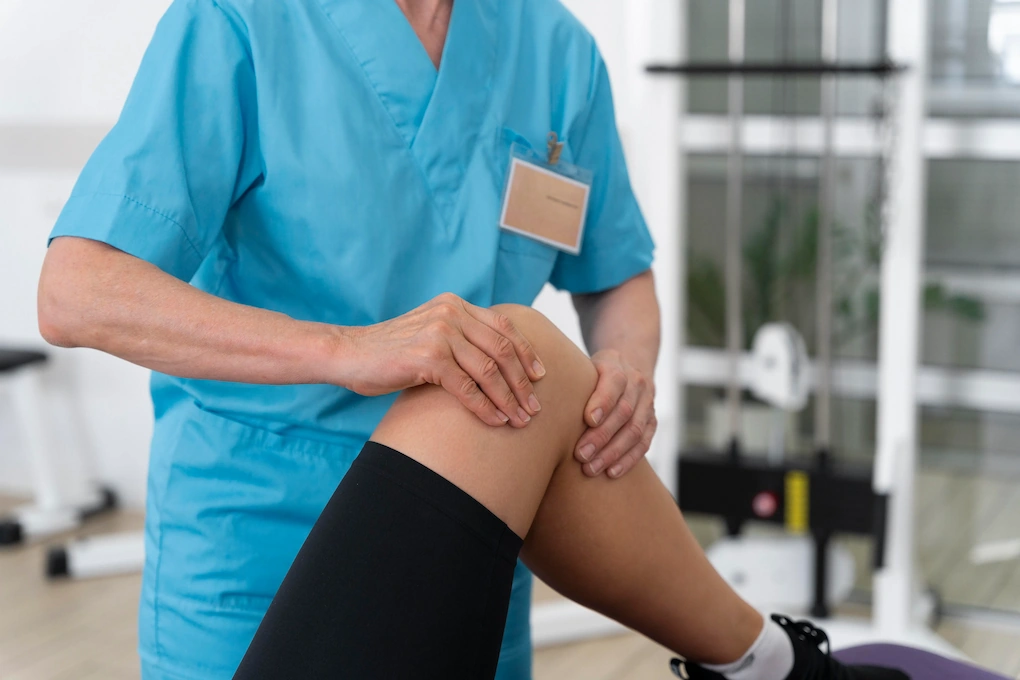
Yes. Many people with knee arthritis can manage their symptoms without knee replacement. The right approach depends on the severity of the condition, the person's health and their response to treatment.
A clinician may recommend one or more of the following options.
Physiotherapy and suitable exerciseGuided exercises can help strengthen the muscles around the knee and support movement. A physiotherapist can recommend activities that match your ability and symptoms.
Low-impact activities may be suitable for some people. Exercise should be adjusted if it causes significant or worsening pain.
Weight management, where appropriateFor people who are above a healthy weight, weight management may reduce the load placed on the knee. A clinician can help determine whether this is relevant to an individual's condition.
Medicines for pain reliefA doctor may recommend suitable medicines, gels or creams to manage symptoms. The choice depends on medical history, other medicines and possible side effects.
Do not start or increase pain medicines without checking whether they are appropriate for you.
Other recommended treatmentsDepending on the diagnosis, a specialist may discuss walking aids, suitable footwear, selected injections or other treatments. Their benefits and limitations vary.
These options may help control symptoms, but they cannot reverse every form of advanced joint damage. If pain and disability remain severe, the doctor may discuss surgery.
An orthopaedic specialist considers several factors before recommending knee replacement. No single symptom or test determines the decision.
Medical history and symptomsThe doctor will ask when the pain began, where it occurs and how it affects everyday activities. They may also ask about previous injuries, existing conditions and treatments you have tried.
Physical examinationThe specialist may assess knee movement, tenderness, swelling, alignment and stability. They may also observe how you stand or walk.
X-rays and other imagingX-rays can help show changes in the joint, including narrowing of the space between bones and signs of arthritis. Other imaging tests may be considered when clinically indicated.
Response to previous treatmentThe doctor will consider whether suitable non-surgical treatments have provided enough relief. The decision also depends on whether further conservative options remain reasonable.
Overall health and personal goalsExisting health conditions, fitness for surgery and the ability to participate in rehabilitation are important considerations. The doctor should also discuss what you hope to achieve, such as improved walking or less pain during daily tasks.
After reviewing these factors, the specialist can explain whether surgery is appropriate, what alternatives remain and what outcomes are realistic.
The main difference is how much of the knee joint the surgeon replaces.
Total knee replacement involves replacing the damaged surfaces across the main parts of the joint. A surgeon may consider it when arthritis affects several areas of the knee.
Partial knee replacement treats a more limited area of damage. It may be an option when the disease affects only one section and the remaining joint structures are suitable.
Partial replacement may involve a different recovery pathway, but it is not suitable for every patient. Total replacement is not automatically better either.
The choice depends on the location of arthritis, ligament function, knee alignment, overall joint condition and the surgeon's assessment. Discuss the advantages, limitations and expected rehabilitation for each suitable option before deciding.
For appropriately selected patients, knee replacement may reduce arthritis-related pain and improve movement. It may make activities such as walking, standing and getting up from a chair easier.
However, the operation does not guarantee complete pain relief or restore every knee to normal function. Some people continue to experience stiffness, discomfort or limitations after surgery.
Possible risks and complicationsKnee replacement is major surgery, and possible complications include:
The likelihood of complications depends on several factors, including general health and existing medical conditions. Ask the surgeon to explain the risks that apply to you and how the care team plans to reduce them.
If surgery is recommended, preparation helps you understand the procedure and plan for recovery.
Complete the pre-operative assessmentYour care team may review your medical history, current medicines, allergies and existing conditions. Tests or assessments may be arranged according to your health and the planned operation.
Tell the team about all medicines and supplements you take. Do not stop, change or adjust prescribed medicines without instructions from the clinician managing your care.
Plan for rehabilitationRecovery involves more than the operation itself. Physiotherapy and prescribed exercises help you work towards better movement and strength. Ask when rehabilitation will begin, what support you may need and how follow-up appointments will be arranged.
Prepare your homeConsider whether you may need help with daily activities during the early stages of recovery. Keeping essential items within easy reach and reducing trip hazards may make movement at home easier.
Your care team can advise whether walking aids or other practical adjustments will be useful.
Discuss expectations and concernsAsk about pain management, possible complications, recovery milestones and restrictions on activities. Recovery varies from person to person and may take several months.
Understanding the likely process can help you make an informed decision and plan appropriate support.
Consider arranging an orthopaedic assessment if knee pain continues, movement becomes restricted or everyday activities are increasingly difficult. Early assessment can help identify the cause and clarify which treatments may be suitable.
You do not need to assume that surgery is the next step. Depending on the diagnosis, the specialist may recommend non-surgical treatment, further investigations or a discussion about surgery.
For people in Rajpura, Punjab, Neelam Hospital can be contacted to enquire whether orthopaedic consultation services are available and whether the relevant specialist can assess persistent knee pain.
Before booking, confirm the availability of the appropriate doctor and the services offered. If knee replacement is being considered, ask whether the hospital provides this procedure or can guide you towards an appropriate service.
For a consultation, it can be useful to bring previous X-rays, medical reports and a list of current medicines. These details may help the clinician understand your symptoms and previous treatment.
Recovery varies depending on a person's health, the type of surgery and progress with rehabilitation. Many patients need several weeks to resume everyday activities comfortably, while strength and mobility may continue improving for months. Follow your surgeon's advice and attend recommended physiotherapy sessions.
2. Is knee replacement surgery suitable for younger adults?Age alone does not determine whether someone is suitable for knee replacement. Doctors consider the extent of joint damage, pain, mobility, overall health and expected implant lifespan. Younger adults may be advised to explore suitable alternatives before deciding on surgery.
3. Can both knees be replaced during the same operation?In selected cases, surgeons may consider replacing both knees during one operation. However, this approach is not suitable for everyone. The decision depends on overall health, surgical risk, physical fitness and the expected recovery demands. An orthopaedic specialist can explain whether staged or simultaneous surgery is appropriate.
4. How should I prepare my home before knee replacement surgery?Prepare a safe space for recovery by keeping essential items within easy reach, clearing walkways and reducing tripping hazards. Arrange help with daily tasks if needed. Ask your healthcare team whether you will need walking aids, home adjustments or additional support after returning home.
Knee Replacement Surgery in Rajpura may be an option when advanced joint damage causes persistent pain, stiffness and reduced mobility. It is generally considered after suitable non-surgical treatments have not provided enough relief.
However, the right decision depends on more than symptoms alone. An orthopaedic specialist should assess joint damage, overall health, previous treatment and personal goals before recommending an operation.
If knee pain is affecting your daily life in Rajpura, Punjab, consider seeking a professional assessment to understand the cause and available treatment options.
Contact Neelam Hospital, Rajpura, to enquire about available orthopaedic consultation services. Confirm the relevant doctor's availability and whether knee replacement services are offered before making an appointment.
Medical disclaimer: This article is for educational purposes only and does not replace professional medical advice, diagnosis or treatment. Consult a qualified healthcare professional about your symptoms and treatment options.