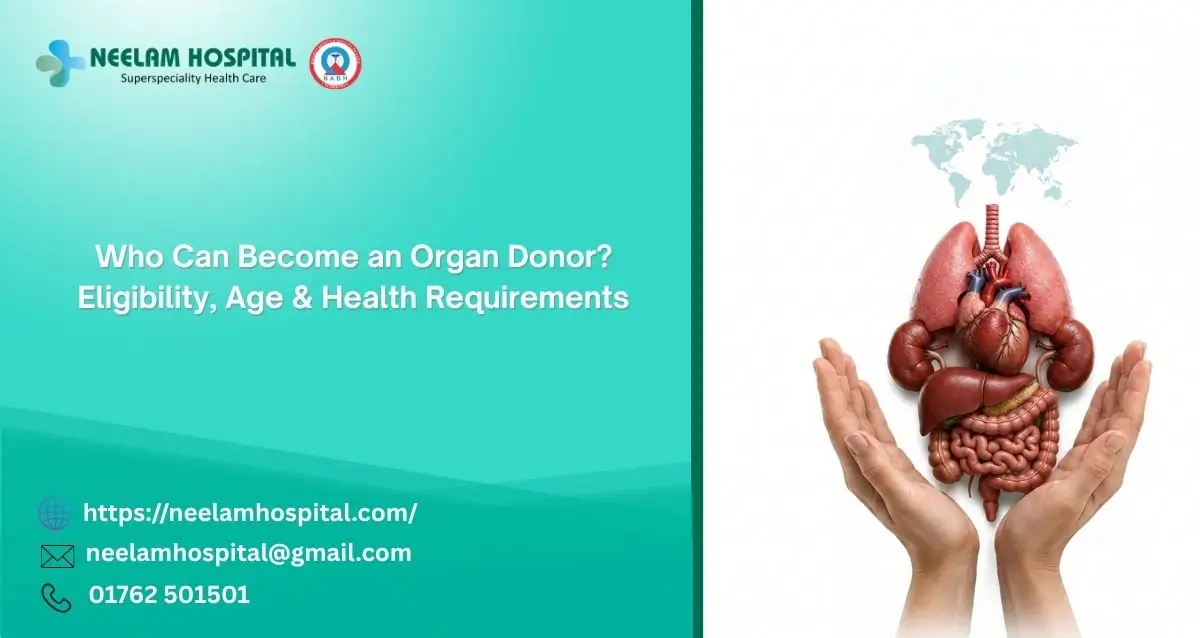
Organ donation can help people with serious organ failure receive a transplant and potentially improve or extend their lives. However, many people are unsure whether they who can become an organ donor because of their age, health or existing medical conditions.
The answer depends on the type of donation and the donor's medical circumstances.
In India, organ donation can involve either living donation or deceased donation. Living donors must meet medical and legal requirements, while the suitability of organs and tissues from a deceased donor is assessed when donation becomes possible.
The National Organ & Tissue Transplant Organisation (NOTTO) provides information and guidance on organ and tissue donation in India.
There are two main types of organ donation: living donation and deceased donation.
A living donor is a person who voluntarily donates an organ or part of an organ during their lifetime. In India, living donors generally need to be at least 18 years old and must undergo medical evaluation before donation. The donation must also meet applicable legal and authorization requirements.
A deceased donor can potentially donate organs and tissues after death. Age, gender or other individual characteristics alone do not determine whether donation is possible. Instead, healthcare professionals assess medical suitability at the time of death.
Therefore, people should not assume that they are automatically ineligible because they are older or have a medical condition.
There is no single age limit that applies to every type of organ and tissue donation.
Age requirements for living donationFor living organ donation, the donor should generally be 18 years or older. Living donation is permitted only after appropriate medical evaluation and in accordance with applicable legal requirements.
The donor's safety is an important part of the evaluation. Doctors assess whether the person is medically suitable to undergo the procedure without an unacceptable risk to their health.
Age requirements for deceased donationFor deceased donation, age is considered together with the condition of the individual and the organs or tissues being evaluated.
NOTTO states that, for many organs, physical condition can be more important than age. It also notes that organs and tissues from older donors have been successfully transplanted in different circumstances.
This means an older person should not automatically assume that they are too old to donate.
The suitability of each organ or tissue is ultimately determined by specialist healthcare professionals.
Yes, older people may still be potential organ or tissue donors.
The condition and function of an organ can vary significantly between individuals of the same age. Doctors therefore consider factors such as medical history, organ function, infections and other clinical findings when assessing donation.
NOTTO's guidance gives different age ranges for different organs and tissues, but these should not be treated as a simple guarantee of eligibility. The medical team makes the final decision based on the circumstances of each potential donor.
For this reason, age by itself should not discourage someone from expressing their wish to donate.
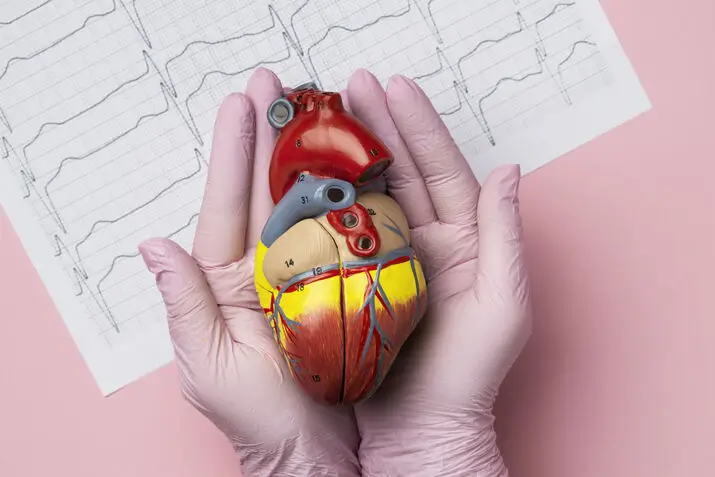
Health requirements depend on whether the donation is from a living or deceased donor.
Living donor health assessmentLiving donors undergo a detailed medical assessment because their health and safety must be protected.
The evaluation may include:The exact tests can vary depending on the organ being donated and the donor's individual health.
A person is considered for living donation only when healthcare professionals determine that donation is medically appropriate.
Deceased donor health assessmentFor a deceased donor, doctors assess the organs and tissues when donation becomes possible.
The assessment can consider the person's medical history, infections, organ function and other clinical factors. Different organs may have different levels of suitability, so one organ may be usable even when another is not.
This means that not every organ or tissue has to be suitable for donation.
Having a medical condition does not automatically mean that a person cannot become an organ donor.
Doctors consider the specific condition, its severity, the organs affected and the overall medical circumstances.
For example, a person may have a medical history that affects the suitability of one organ but does not necessarily prevent the use of another organ or tissue.
Potential donors are also assessed for infections and other medical concerns before organs or tissues are accepted for transplantation.
Therefore, it is better not to make a personal decision about eligibility based only on a diagnosis. A qualified medical team should make the final assessment.
Living organ donation takes place when a person donates an organ or part of an organ during their lifetime.
According to NOTTO, living donation can include:In selected cases, other forms of living donation may also be possible depending on medical and legal requirements.
The most common living organ donation is a kidney donation. A healthy person can generally live with one functioning kidney, but living donation still requires a detailed medical evaluation.
The donor's health and safety remain central to the decision.
Living donation also has specific legal and authorization requirements in India. NOTTO provides different forms for living donations involving near relatives, spouses and other categories of donors.
The exact organs and tissues that can be donated depend on the donor's medical condition and the circumstances of donation.
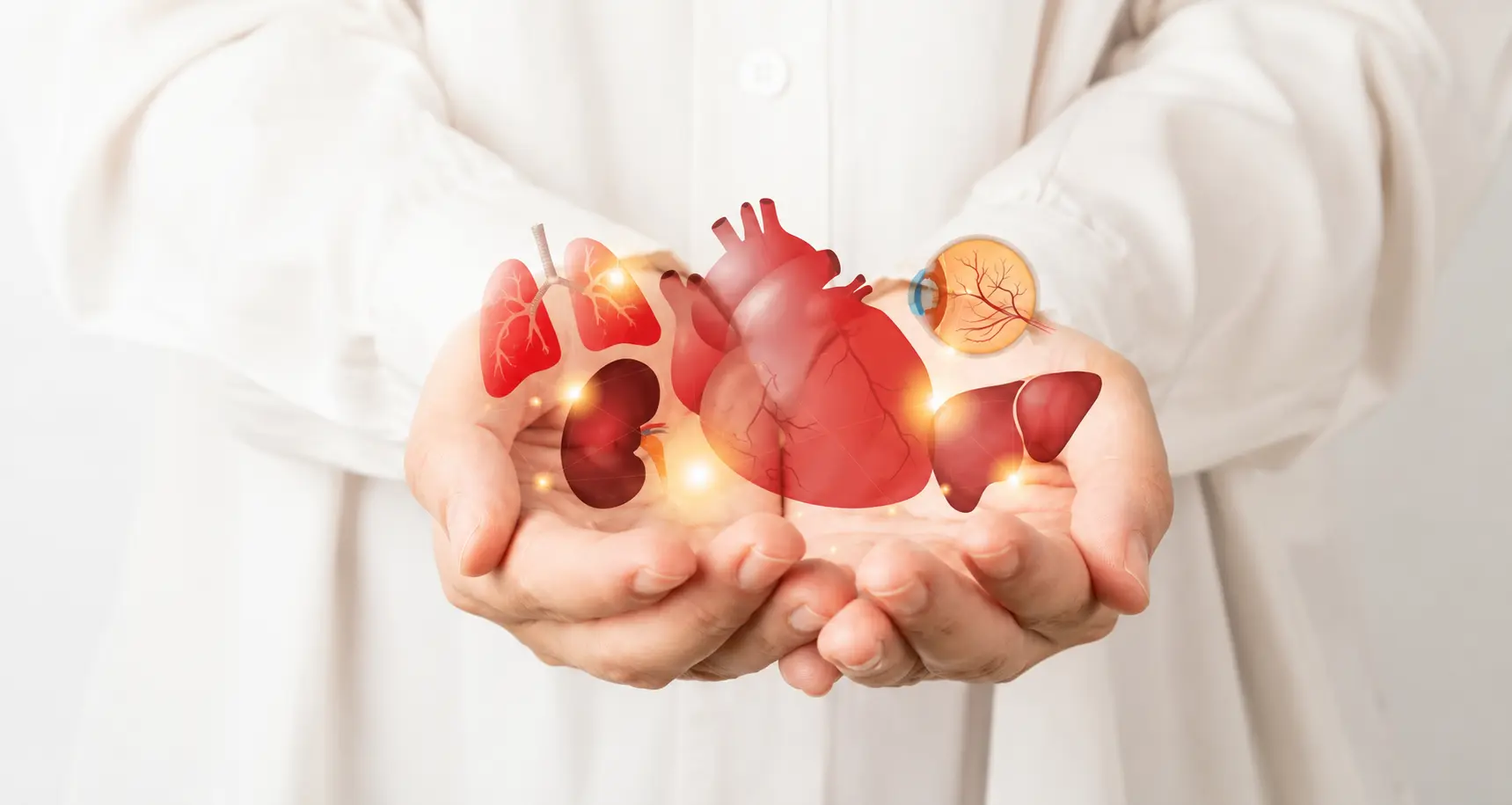
The evaluation process differs between living and deceased donation.
For a living donor, doctors primarily focus on:This evaluation helps doctors determine which organs or tissues can safely be considered for transplantation.
People who want to express their wish to donate organs and tissues can use the authorised organ and tissue donation pledge process.
NOTTO provides Form 7 for organ or tissue pledging. The current Form 7 is intended for individuals aged 18 years or above.
The basic process is:Pledging your organs is an expression of your wishes. It does not mean that every organ or tissue will necessarily be donated.
NOTTO also advises people to discuss their decision with family members and loved ones. Its current organ donation awareness material explains that family or legal next-of-kin consent remains relevant when donation becomes possible.
Talking to your family about your decision can help them understand your wishes before an emergency situation occurs.
You can explain:NOTTO specifically notes the importance of discussing an organ donation pledge with family members and loved ones.
Having this conversation in advance can make it easier for your family to understand and support your wishes.
People in Rajpura and nearby areas who have questions about kidney health, transplantation or renal care can consult a qualified healthcare professional for personalised medical guidance.
Neelam Hospital, located on the Rajpura–Chandigarh Highway near Chitkara University, offers healthcare services including nephrology, dialysis, urology and renal transplant care.
If you are considering transplant-related care or have questions about kidney health, a specialist can explain the available evaluation and treatment options based on your individual medical condition.
Many people can express their wish to donate organs or tissues. For living donation, the donor generally needs to be at least 18 years old and must meet the required medical and legal criteria. For deceased donation, the suitability of organs and tissues is assessed when donation becomes possible.
Age or an existing medical condition does not automatically answer whether someone can donate. The final decision is made through medical assessment based on the individual circumstances.
If you want to support organ donation in India, learn about the official pledge process, discuss your wishes with your family and rely on qualified healthcare professionals for medical guidance.
Living donors generally need to be 18 years or older and must meet medical and legal requirements. For deceased donation, medical professionals assess the suitability of organs and tissues at the time of donation.
2. Is there an age limit for organ donation?There is no single age limit that applies to every organ and tissue. Living donation generally requires the donor to be at least 18 years old, while deceased donor suitability depends on the organ, tissue and medical circumstances.
3. Can I donate organs if I have a medical condition?Possibly. Having a medical condition does not automatically rule out organ donation. Healthcare professionals assess the condition and determine whether specific organs or tissues are medically suitable.
4. Which organs and tissues can be donated?Potentially donated organs include the kidneys, liver, heart, lungs, pancreas and intestine. Tissues can include corneas, skin, bone, heart valves, blood vessels, nerves and tendons.
5. How can I pledge my organs in India?You can express your wish to donate through the authorised organ and tissue donation pledge process. NOTTO provides Form 7 for organ and tissue pledging, and the current form is for individuals aged 18 years or above.
If you have questions about kidney health, renal care or transplant-related concerns, speak with a qualified medical professional who can assess your individual situation and recommend appropriate care.