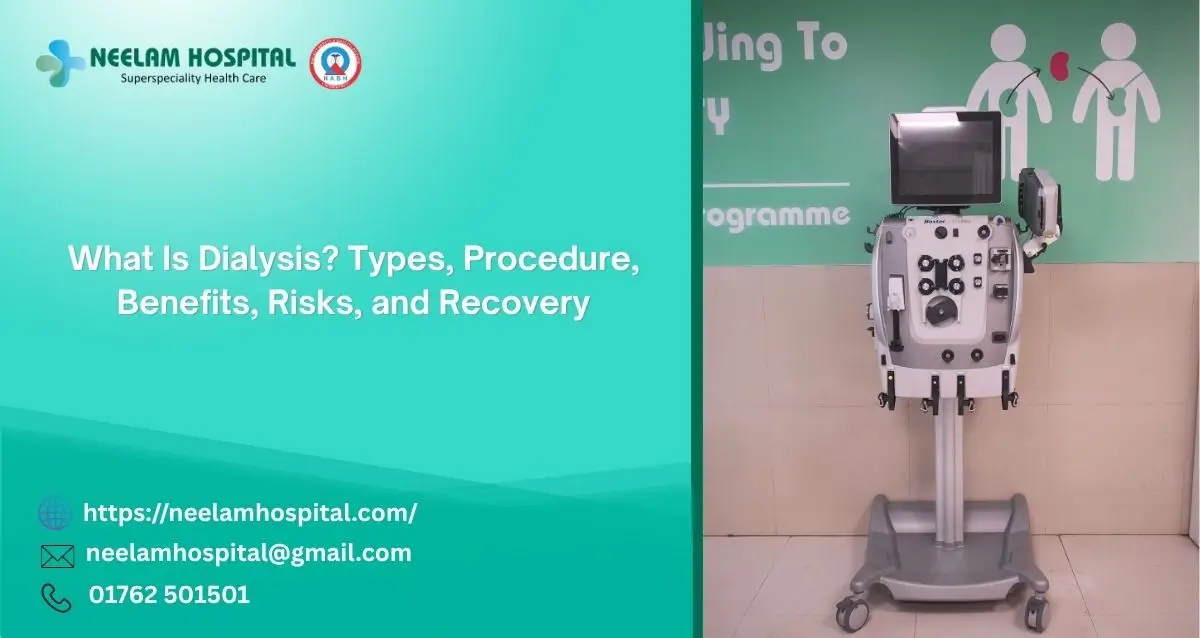
Kidneys help remove waste and extra fluid from the blood while maintaining the body’s fluid and mineral balance. When kidney function becomes severely reduced, these functions may no longer be performed adequately.
What is dialysis, and when is it needed? Dialysis is a medical treatment used to support kidney function when the kidneys cannot remove enough waste and excess fluid from the blood. This guide explains the types of dialysis, dialysis procedure, benefits, risks, side effects, and recovery.
Dialysis is a treatment that performs some important functions of healthy kidneys. It removes waste products and excess fluid from the bloodstream.
It can also help maintain appropriate levels of minerals, such as potassium and sodium. This support becomes important when kidney function becomes severely reduced.
Dialysis may be required temporarily or for a longer period. For example, some patients develop sudden kidney injury and need short-term dialysis.
Others have advanced chronic kidney disease and require regular treatment. In suitable cases, kidney transplantation may later provide another treatment option.
The timing and duration of dialysis vary between patients. Doctors consider the patient's overall health before recommending treatment.
Healthy kidneys continuously filter blood and remove unwanted substances through urine. They also regulate fluid, electrolytes, and acid levels.
When kidney function becomes severely impaired, these processes may become inadequate. Consequently, waste and fluid can accumulate in the body.
Dialysis may be considered when kidney failure causes problems that cannot be controlled adequately with medicines and dietary measures.
Common conditions associated with dialysis include:The decision should always come from a qualified nephrologist after proper evaluation.
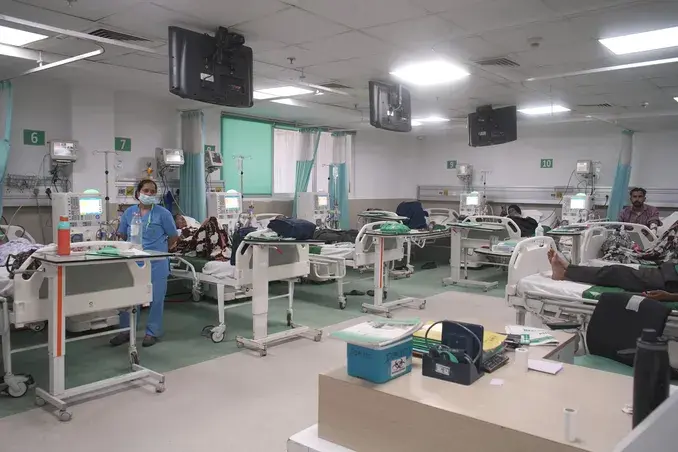
There are two main Types of Dialysis. They work differently but share the same basic purpose.
HemodialysisHemodialysis uses a dialysis machine and a special filter called a dialyzer. Blood travels from the body through the dialysis system.
The dialyzer removes waste and excess fluid before returning the filtered blood. Treatment usually takes several hours.
The frequency depends on kidney function and the patient's individual medical requirements. Many patients receive hemodialysis on a regular schedule.
An access point is needed to connect the patient's bloodstream with the dialysis machine. Common options include an arteriovenous fistula, graft, or catheter.
Peritoneal DialysisPeritoneal dialysis uses the lining of the abdomen as a natural filtering membrane. A special dialysis solution enters the abdominal cavity through a catheter.
The solution absorbs waste and excess fluid from the blood. It is then drained and replaced with fresh solution.
This method can be performed at home after proper training. However, patients need careful hygiene and regular medical follow-up.
The choice between dialysis methods depends on medical needs, lifestyle, home support, and clinical suitability.
Understanding the Dialysis Procedure can help patients feel more prepared.
For hemodialysis, the patient first undergoes a basic health assessment. Blood pressure, weight, and other clinical measurements are checked.
The dialysis access is then connected to the dialysis system. Blood passes through the dialyzer, where waste and excess fluid are removed.
The cleaned blood returns to the patient's body. The machine continuously monitors important treatment parameters.
During the session, healthcare professionals observe the patient's condition. They may adjust treatment settings according to medical requirements.
After dialysis, the team checks vital signs again. The patient may then return home or continue other hospital care. The exact procedure can vary according to the patient's condition and dialysis access.
The Benefits of Dialysis mainly relate to replacing some lost kidney functions.
Dialysis can:For many patients, regular dialysis can help maintain health and daily functioning. However, dialysis requirements vary greatly. Treatment should therefore remain under specialist supervision.
Dialysis is an important treatment, but some patients may experience side effects.
Common problems can include:Some patients may experience changes in blood pressure during treatment. Others may feel tired after a dialysis session.
Vascular access can also develop infection, blockage, or clotting. Therefore, patients should report unusual swelling, redness, pain, or fever promptly.
Serious symptoms require immediate medical assessment. Regular monitoring helps doctors identify problems early.
Recovery after dialysis differs from one patient to another. Some people feel normal soon after treatment.
Others may experience tiredness or weakness for several hours. Therefore, adequate rest can be helpful after a session.
Patients should follow their nephrologist's advice regarding fluids, medicines, diet, and physical activity.
A kidney-friendly diet may also become important. However, dietary requirements differ according to kidney function and dialysis type.
Patients should not make major dietary changes without professional advice.
Regular blood tests help doctors monitor kidney function and treatment effectiveness. They also help guide changes in the dialysis plan.
Dialysis can become part of a patient's long-term routine. However, many people continue working and participating in everyday activities.
Planning becomes easier when patients understand their treatment schedule. They should also maintain regular communication with their healthcare team.
Medication adherence is important. So is following recommended fluid and dietary limits.
Patients should also protect their dialysis access. Avoiding pressure or injury around the access site can help maintain its function.
Emotional support also matters. Long-term treatment can feel challenging, especially during the early stages.
Family support, counselling, and communication with healthcare professionals can help patients adjust.
Early nephrology care can help identify kidney problems before they become advanced.
A consultation may be appropriate when a person has:Patients already receiving dialysis also need regular nephrology follow-up.
Neelam Hospital provides specialized nephrology and dialysis services in Rajpura, Punjab. Its dialysis unit includes modern machines and facilities for different patient needs.
The hospital provides 24-hour dialysis services, including support for critically ill patients requiring bedside dialysis. It also has HDF technology for enhanced clearance in suitable cases.
Dedicated arrangements are available for patients with certain infectious conditions. The facility follows infection-control measures to support patient safety.
The nephrology team provides individualized dialysis plans based on medical condition, laboratory findings, and overall health. Patients also receive guidance regarding fluids, medicines, diet, and lifestyle.
Its location in Rajpura makes the facility accessible to patients from nearby areas of Punjab, Haryana, Chandigarh, and Patiala.
Dr. Amandeep Singh is a nephrology specialist associated with the dialysis and kidney transplant services. His qualifications include MD and DM in Nephrology. His clinical role includes the management of kidney-related conditions and patients requiring dialysis care. The hospital lists him as part of its Dialysis Unit and Kidney Transplant team.
Patients can receive specialist evaluation based on their kidney function, symptoms, medical history, and laboratory findings. A nephrologist can also assess whether dialysis is required. The doctor can recommend the most appropriate dialysis approach based on individual needs. For patients with advanced kidney disease, discussions about kidney transplantation may also become relevant.
Dialysis can provide essential support when kidney function becomes severely reduced. However, it does not restore normal kidney function.
For eligible patients with end-stage kidney disease, kidney transplantation may offer another long-term treatment option.
The suitability of transplantation depends on several medical factors. Patients may require detailed testing before entering a transplant program.
Neelam Hospital also provides kidney transplant services alongside dialysis and nephrology care. Its kidney transplant team includes urology and nephrology specialists.
A nephrologist can explain available options according to the patient's medical condition.
Understanding what is dialysis can help patients and families make informed healthcare decisions. Dialysis replaces some important kidney functions when the kidneys cannot work adequately.
The right dialysis type depends on medical needs, lifestyle, and clinical suitability. Furthermore, regular monitoring helps maintain safe and effective treatment.
Patients should follow their nephrologist's advice regarding medicines, fluids, nutrition, and follow-up visits.
For specialized dialysis and kidney care in Rajpura, Punjab, patients can consult the nephrology team at Neelam Hospital.
No. Dialysis is usually considered when kidney function becomes severely reduced or complications cannot be controlled otherwise. A nephrologist determines the need after detailed evaluation.
2. Is dialysis painful?Dialysis itself is generally not painful. Some patients may experience brief discomfort during needle placement for hemodialysis.
3. How long does a dialysis session take?Hemodialysis sessions commonly last several hours. The exact duration depends on the patient's condition and prescribed treatment plan.
4. Can dialysis patients drink water normally?Fluid intake may need restriction for some patients. The recommended amount depends on urine output, kidney function, dialysis schedule, and other health conditions.
5. Can a dialysis patient undergo kidney transplantation?Yes, some dialysis patients may qualify for kidney transplantation. Eligibility requires detailed medical assessment and transplant evaluation.
If kidney disease is affecting daily life or dialysis has been recommended, timely specialist care is important.
Patients in Rajpura, Punjab, and nearby areas can consult the nephrology team at Neelam Hospital for kidney evaluation and dialysis guidance.
The medical team provides individualized care based on kidney function, symptoms, laboratory findings, and overall health. Schedule a nephrology consultation to understand the most suitable treatment approach for your kidney health.