
Athletes train to improve strength, stamina and performance. However, heart health deserves attention alongside physical fitness. Some cardiovascular conditions cause no obvious symptoms until a person exercises intensely. Others may produce warning signs that athletes should never ignore.
Sports cardiology focuses on cardiovascular health in people who participate in sports and physical activity. It helps clinicians assess heart-related symptoms, identify certain cardiovascular conditions and guide safe participation in exercise. Depending on a person's history and risk factors, the evaluation may include a medical examination and selected cardiac tests.
For athletes, fitness enthusiasts, coaches and parents, understanding heart screening can support informed decisions. It is especially important when symptoms appear during exercise or when a family history raises concerns.
At Neelam Hospital, Rajpura, Punjab, people can enquire about available cardiology consultation services to discuss their heart health concerns. The right assessment depends on each person's medical history, symptoms and exercise demands.
Sports cardiology is a specialised area of cardiovascular care that focuses on the heart and circulatory system in physically active people. It considers how exercise affects the heart and whether an underlying condition may influence safe participation in sports.
Regular exercise produces normal changes in the cardiovascular system. For example, an athlete's heart may adapt to repeated training by developing a slower resting heart rate or changes in heart size. These adaptations can be normal, but clinicians must distinguish them from changes caused by disease.
Sports cardiology may help assess concerns such as:
The assessment varies according to the athlete's age, training intensity, symptoms and medical history. A recreational runner may need a different evaluation from a competitive athlete who trains for several hours each day.
The goal is not to discourage physical activity. Instead, appropriate assessment helps people understand their cardiovascular health and make informed decisions about exercise.
Heart screening can help identify certain cardiovascular conditions that may otherwise go unnoticed. It is particularly useful when an athlete has concerning symptoms, a known heart condition or a family history of inherited cardiovascular disease.
A pre-participation evaluation is a medical assessment completed before sports participation. It typically reviews health history and includes a physical examination. Depending on clinical guidance and individual risk, the clinician may also consider an electrocardiogram (ECG) or further testing.
Personal medical history mattersAthletes should tell their healthcare professional about previous heart problems, unexplained fainting, exercise-related chest pain or unusual breathlessness. They should also mention any previous abnormal cardiac test results.
These details can help the clinician decide whether further investigation is necessary.
Family history can reveal inherited risksSome heart conditions run in families. A family history of unexplained sudden cardiac death, particularly at a young age, may warrant further assessment.
Athletes should share known diagnoses such as inherited heart muscle disorders or heart rhythm conditions. When appropriate, a clinician may recommend specialist evaluation for relatives.
Screening has limitationsCardiac screening can identify some risks, but no screening method detects every heart condition. Some disorders may not cause symptoms or show abnormalities on an initial test.
A normal result should not be used to dismiss new warning signs. Likewise, an abnormal screening result does not automatically mean an athlete has serious heart disease. Further assessment may be needed to understand its significance.
The 2025 American Heart Association and American College of Cardiology scientific statement highlights the role of medical history, physical examination and appropriately interpreted ECGs in evaluating competitive athletes. It also emphasises the need for suitable follow-up when screening identifies a concern. Read the clinical statement.
Exercise increases the heart's workload. Some changes, such as a faster heartbeat and heavier breathing, are expected during intense activity. However, unusual or disproportionate symptoms deserve attention.
Stop exercising and seek medical advice if you experience concerning symptoms, particularly if they occur repeatedly or during exertion.
Chest pain or pressureChest discomfort during physical activity may have several causes. However, pressure, tightness or pain during exercise should not be ignored, especially if it is new or severe.
Do not assume that chest discomfort is simply due to muscle strain without considering the circumstances and other symptoms.
Fainting or near-faintingFainting during exercise is an important warning sign that needs prompt medical assessment. Near-fainting, sudden dizziness or a feeling that you may lose consciousness also deserves attention.
Although some episodes have non-cardiac causes, a clinician may need to investigate heart rhythm or structural problems.
Unusual breathlessnessBreathing faster during strenuous activity is normal. However, breathlessness that seems disproportionate to the effort, starts unexpectedly or occurs with chest discomfort or dizziness needs assessment.
Athletes should not continue intense training to push through unexplained symptoms.
Persistent or unexplained palpitationsPalpitations can feel like a racing, fluttering, pounding or irregular heartbeat. Exercise, stress and stimulants can affect heart rate, but persistent or unexplained palpitations may require investigation.
Seek medical advice if they occur repeatedly, during exertion or alongside dizziness, chest discomfort or fainting.
Unexplained decline in exercise toleranceA noticeable reduction in stamina may result from several factors, including illness, inadequate recovery or other health problems. However, a persistent and unexplained decline can sometimes indicate a cardiovascular issue.
A medical assessment can help identify the cause rather than relying on assumptions about fitness or training.
Severe chest pain, collapse, fainting during exertion or significant breathing difficulty requires urgent medical attention. Call your local emergency number if symptoms are severe or life-threatening.
If someone collapses and does not respond normally, check for normal breathing and call emergency services. Begin CPR if you are trained, and use an automated external defibrillator (AED) if one is available. Follow the device's instructions. Early CPR and defibrillation can improve the chances of survival after cardiac arrest.
The tests depend on symptoms, medical history, examination findings and the level of concern. Not every athlete needs every test, and more testing is not always better.
1. Medical and family historyThe clinician asks about symptoms, previous illnesses, medicines and known heart conditions. They may also ask about relatives with inherited heart disease or unexplained early sudden death.
This information helps determine whether additional testing is appropriate.
2. Physical examinationThe clinician may measure blood pressure, listen to the heart and assess other relevant signs. The examination can identify findings that require further investigation.
However, a normal examination cannot rule out every cardiovascular condition.
3. Electrocardiogram (ECG)An ECG records the heart's electrical activity. It can help identify certain rhythm abnormalities and electrical patterns associated with some heart conditions.
Athletes may have normal training-related ECG changes. Therefore, clinicians interpreting an athlete's ECG should understand how exercise can affect these findings. An ECG also cannot detect every condition that may contribute to sudden cardiac arrest.
Recommendations for ECG screening vary according to the athlete's circumstances and the clinical framework being followed. NHS: Electrocardiogram (ECG).
4. EchocardiographyAn echocardiogram uses ultrasound to produce images of the heart. It helps clinicians assess heart structure, movement and pumping function. A clinician may recommend it if symptoms, examination findings or other test results suggest a structural heart problem. It is not routinely necessary for every asymptomatic athlete.
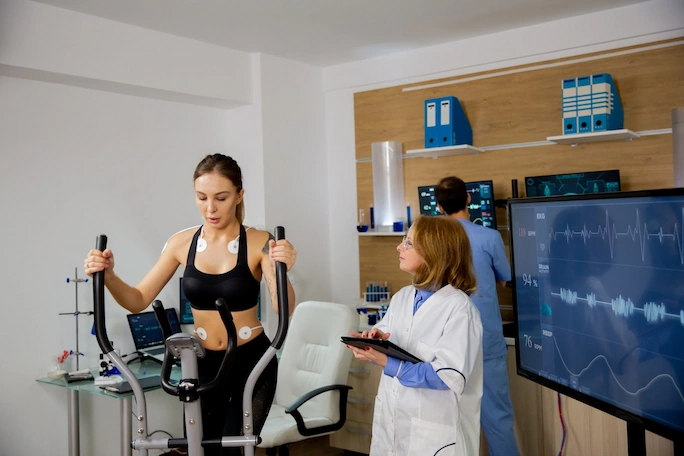
5. Exercise stress testingAn exercise stress test monitors aspects of heart function while a person exercises, often on a treadmill or stationary bicycle. Depending on the test, clinicians may monitor heart rhythm, blood pressure and symptoms.
It can help investigate selected exercise-related concerns. However, the clinician must decide whether the test is suitable and what question it should answer.
6. Additional investigationsSome athletes may need longer-term heart rhythm monitoring, advanced imaging, blood tests or referral to a specialist. These tests depend on the suspected condition and initial findings.
The important principle is to choose investigations that address a specific clinical concern. Routine use of every available test is not necessary for all healthy athletes.
Athletes should seek professional cardiac assessment when symptoms or medical history suggest a possible heart problem. Early evaluation can help clarify the cause and determine the appropriate next steps.
Consider a cardiology consultation if you have:A cardiologist can assess whether the symptoms require further testing and explain any relevant exercise precautions.
Returning to sports after a heart problemA diagnosis does not always mean that an athlete must permanently stop exercising or competing. However, the safest approach depends on the specific condition, its severity, treatment and the demands of the sport.
Some athletes may need treatment and a period of restricted activity. Others may return to exercise after an appropriate evaluation and a shared discussion about potential risks.
Do not resume intense or competitive training after a concerning cardiac event without appropriate medical guidance. The decision should reflect the athlete's condition and individual circumstances rather than a general rule.
Punjab has people who participate in competitive sports, school athletics, gym training, running, cycling and recreational exercise. Across these activities, understanding cardiovascular health is important for both performance and general wellbeing.
Sports cardiology in Punjab can be a useful search topic for athletes and families looking to understand cardiac evaluation. However, the appropriate service may be a general cardiology consultation rather than a dedicated sports cardiology programme.
People in Rajpura can contact Neelam Hospital to enquire about available cardiology consultation services and discuss concerns such as exercise-related chest discomfort, palpitations or an abnormal cardiac screening result. The hospital's current specialist availability and relevant services should be confirmed before booking.
Athletes can also take practical steps to support safer sporting environments:These measures do not eliminate all risks. However, awareness, appropriate evaluation and a prepared emergency response can help athletes and their support teams respond more effectively to cardiac concerns.
Sports cardiology focuses on heart health in athletes and physically active people. It helps assess symptoms, cardiovascular risk factors and certain heart conditions that may affect exercise. Depending on the individual's history and findings, the evaluation may include a medical examination, ECG or other selected tests.
2. Why do athletes need heart screening?Appropriate cardiac screening may identify certain heart conditions before they cause significant problems. It can also highlight symptoms or family history that warrant further assessment. However, screening cannot detect every condition or guarantee protection from sudden cardiac arrest. The recommended evaluation depends on the athlete's age, symptoms and individual risk.
3. What are the warning signs of heart problems during exercise?Warning signs include chest discomfort, fainting, unusual breathlessness, unexplained palpitations and a persistent decline in exercise tolerance. Stop exercising and seek medical advice if these symptoms occur. Severe chest pain, collapse or significant breathing difficulty requires urgent medical attention.
4. Is an ECG necessary before playing sports?An ECG is not automatically necessary for every person before playing sports. Recommendations vary with age, symptoms, medical history, family history and applicable clinical guidance. A clinician may recommend one when screening findings or individual risk justify it. A normal ECG also cannot rule out every heart condition.
5. Which athletes should consult a cardiologist?Athletes with exercise-related chest pain, unexplained fainting, persistent palpitations, unusual breathlessness or abnormal screening results should seek medical assessment. A known heart condition or relevant family history may also warrant consultation. The cardiologist can determine whether further tests or specific exercise guidance are needed.
For individuals looking for cardiology in Rajpura, Neelam Hospital, Rajpura, Punjab, provides a point of contact to enquire about available cardiology consultation services. People experiencing exercise-related chest discomfort, unusual breathlessness, palpitations or other heart-related concerns can seek medical advice to understand whether further cardiac evaluation is needed.
(Prof.) Dr. Himanshu Gupta holds MD and DM qualifications from AIIMS, New Delhi, and has served as Additional Professor of Cardiology at PGI, Chandigarh. His advanced training includes interventional cardiology and catheterisation, with international training experience at the National Heart Center, Singapore, Mount Sinai, New York, USA, and Rigshospitalet, Copenhagen, Denmark.
For athletes and physically active individuals, consulting a qualified cardiology professional can help assess symptoms, review relevant medical history and determine whether investigations such as an ECG or echocardiogram may be appropriate.
If you are searching for cardiology consultation in Rajpura, Punjab, contact Neelam Hospital to confirm Dr. Himanshu Gupta's current availability, appointment details and the cardiac services offered.
Athletic fitness involves more than strength, speed and endurance. Understanding heart health, recognising warning signs and sharing relevant family history can help athletes make informed decisions about exercise.
Cardiac screening may identify certain conditions, but no single test can rule out every risk. Therefore, symptoms and individual medical history remain important even when earlier results were normal.
For concerns about exercise-related symptoms or heart health, contact Neelam Hospital, Rajpura, Punjab, to enquire about available cardiology consultation services and appropriate next steps.
Medical disclaimer: This article is for educational purposes only. It does not replace professional medical advice, diagnosis or treatment. Seek urgent medical attention for severe or potentially life-threatening symptoms.