Pregnancy is an important time to make healthy food choices. The foods you eat can affect your health and your baby's development. Some foods may contain harmful bacteria, parasites, or high levels of mercury. These can increase certain health risks during pregnancy.
Knowing which foods to avoid during pregnancy helps you make safer daily choices. However, not every food requires complete avoidance. Some foods become safer through proper cooking, washing, heating, or pasteurization.
At Neelam Hospital, we believe that reliable pregnancy information helps expecting mothers make informed decisions. This guide explains 10 foods to avoid during pregnancy. It also covers safer alternatives, first-trimester precautions, and practical food safety tips.
Food safety becomes especially important during pregnancy. Your immune system changes as your body supports your growing baby. These changes can increase your risk of certain foodborne infections.
Some harmful bacteria can also affect your developing baby. Therefore, safe food handling and preparation matter throughout pregnancy.
1. Foodborne InfectionsFoodborne infections occur when contaminated food carries harmful bacteria, viruses, or parasites. Common sources include under-cooked meat, raw seafood, and unwashed produce.
These infections may cause nausea, vomiting, stomach cramps, and diarrhoea. Some infections can cause serious pregnancy complications.
2. Listeria and Salmonella RisksListeria is a harmful bacterium found in certain contaminated foods. It can cause an infection called listeriosis.
Pregnant women face a higher risk of listeriosis than other healthy adults. Infection may affect the placenta and developing baby.
Salmonella is another bacterium associated with contaminated eggs and under-cooked poultry. It can cause fever, diarrhoea, and stomach cramps
3. Mercury ExposureSome fish contain high levels of mercury. Excessive mercury exposure can harm a baby's developing brain and nervous system. However, fish also provide protein and important nutrients. Choose lower-mercury fish instead of avoiding seafood completely.
4. Poor Food HygieneUnwashed produce and unsafe food storage can increase contamination risks. Raw foods may also transfer bacteria to ready-to-eat meals. Good kitchen hygiene reduces these risks. Proper washing, cooking, refrigeration, and separation of raw foods are essential.
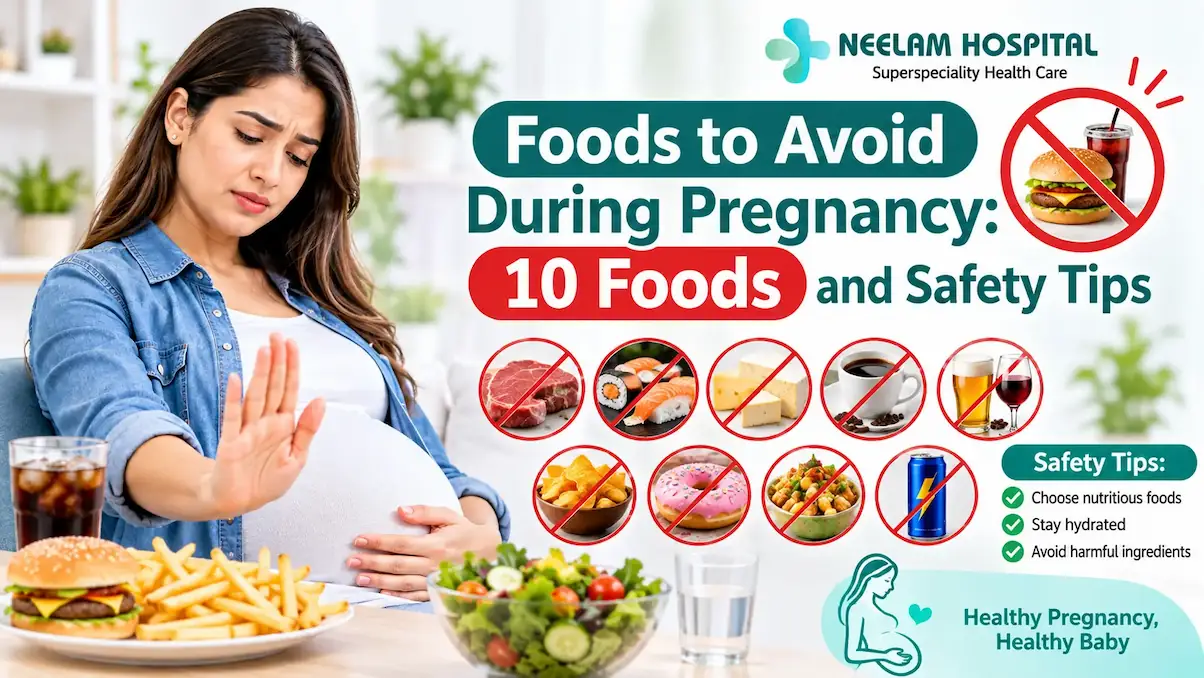
Some foods are safer to avoid during pregnancy. Others require careful preparation before eating. Here are 10 important categories every expecting mother should understand.
Raw or under-cooked meat may contain harmful bacteria and parasites. These include Salmonella, E. coli, and Toxoplasma.
Toxoplasmosis is an infection that may harm a developing baby. It can also cause complications during pregnancy.
Avoid eating raw or partly cooked chicken, pork, beef, and lamb. Make sure meat is thoroughly cooked before serving.
Safer alternatives:Raw fish may contain harmful bacteria and parasites. Sushi containing raw fish, sashimi, and ceviche are examples.
Raw shellfish may also carry dangerous microorganisms. These infections can cause food poisoning during pregnancy.
However, cooked seafood can provide valuable nutrients. Properly cooked fish and shellfish are generally safer choices.
Safer alternatives:Some large fish contain higher levels of methylmercury. This metal can affect a baby's developing brain and nervous system.
Avoid fish such as:Fish recommendations can vary between countries and species. Follow local seafood guidance whenever possible.
Safer alternatives:Choose lower-mercury fish such as salmon, sardines, and shrimp. FDA guidance recommends 8–12 ounces of lower-mercury seafood weekly during pregnancy.
Fish should always be properly cooked. Ask your doctor about locally available fish choices.
Unpasteurized milk has not undergone heat treatment to kill harmful bacteria. It may contain Listeria and other dangerous microorganisms.
Certain cheeses made from raw milk may also carry infection risks. These infections can be serious during pregnancy.
However, you do not need to avoid all dairy products.
Safer alternatives:Always check product labels before purchasing dairy items. Choose products clearly marked as pasteurized.
Raw eggs may contain Salmonella bacteria. This infection can cause vomiting, diarrhoea, and fever.
Avoid foods containing raw or lightly cooked eggs. Examples include homemade mayonnaise and some uncooked desserts.
However, fully cooked eggs are nutritious during pregnancy. Pasteurized eggs are another safer option for suitable recipes.
Safer alternatives:Fresh fruits and vegetables provide essential vitamins and minerals. However, unwashed produce may carry harmful bacteria or parasites.
Soil contamination can introduce microorganisms onto their surfaces. Cutting unwashed produce may also transfer contamination inside.
You do not need to avoid fresh fruits and vegetables. Proper washing is the important step.
Safer alternatives:Raw sprouts can contain bacteria such as Salmonella and E. coli. Their growing conditions may support bacterial growth.
Washing alone may not remove all harmful bacteria. Therefore, pregnant women should avoid raw or lightly cooked sprouts.
Common examples include:Cook sprouts thoroughly until steaming hot. Add them to properly cooked vegetables, curries, or soups.
Cold deli meats, processed meats, and hot dogs may carry Listeria. Refrigeration does not reliably eliminate this bacterium.
These foods can become safer through proper reheating. Heating helps reduce the risk of harmful bacterial contamination.
. Safer alternatives:Fresh fruit juices may seem healthy and refreshing. However, unpasteurized juices can contain harmful bacteria.
This risk may increase when fruits are improperly washed or handled. Commercially packaged juices may also require label checks.
Safer alternatives:Alcohol should be avoided completely during pregnancy. No safe amount of alcohol has been established for pregnancy.
Alcohol passes through the placenta to the developing baby. It can interfere with normal brain and physical development.
Alcohol exposure can cause fetal alcohol spectrum disorders. These conditions may affect learning, behaviour, and development.
Safer alternatives:Check beverage labels carefully. Some drinks marketed as alcohol-free may contain small amounts of alcohol.
The first trimester covers the first 12 weeks of pregnancy, when the baby's major organs begin developing. Therefore, food safety is important from the start.
During early pregnancy, avoid:These precautions help reduce exposure to harmful bacteria and other substances.
If morning sickness affects your appetite, try eating smaller, frequent meals. Choose freshly prepared foods and drink enough safe water. Avoid restrictive diets without medical guidance.
Following simple hygiene habits can make everyday meals safer. These pregnancy food safety tips are useful throughout pregnancy.
1. Wash Fruits and Vegetables ProperlyRinse fresh produce under clean running water. Wash it before peeling, cutting, or eating.
2. Cook Food ThoroughlyCook meat, poultry, seafood, and eggs properly. Avoid raw or partly cooked animal products.
3. Choose Pasteurized Dairy ProductsCheck milk, yoghurt, cheese, and juice labels. Select pasteurized products whenever available.
4. Prevent Cross-ContaminationKeep raw meat away from ready-to-eat foods. Use separate cutting boards when preparing different ingredients.
Wash knives, utensils, and kitchen surfaces after handling raw foods.
5. Store Food at Safe TemperaturesRefrigerate perishable foods promptly. Do not leave cooked meals at room temperature for extended periods.
Follow storage instructions and expiry dates carefully.
6. Check Food LabelsRead ingredient lists before buying packaged foods. Look for pasteurization information and storage instructions.
7. Maintain Personal HygieneWash your hands before preparing or eating food. Clean your hands after handling raw meat or seafood.
8. Follow Individual Medical AdviceSome women have additional dietary needs during pregnancy. Medical conditions may require specific nutritional adjustments.
Discuss individual concerns with your healthcare professional.
Some foodborne infections cause mild symptoms. Others may require prompt medical attention during pregnancy.
Contact your healthcare professional if you experience:Contact your doctor even if you feel well after a suspected high-risk exposure. Certain infections may initially cause few symptoms.
Expecting mothers can seek appropriate pregnancy-related medical guidance from Neelam Hospital. Discuss food safety concerns, nutritional needs, and unusual symptoms with your healthcare provider.
Remember, early medical advice can help identify problems. Avoid self-medicating during pregnancy.
Important foods requiring avoidance or special precautions include raw meat, raw seafood, and high-mercury fish. Unpasteurized dairy, raw eggs, and raw sprouts also need attention. Unwashed produce, unheated deli meats, and unpasteurized juices carry additional risks. Alcohol should be avoided completely.
3. Can pregnant women eat pineapple?Yes, pregnant women can generally eat fresh, properly washed pineapple. There is no reliable evidence that normal food portions cause miscarriage. Enjoy pineapple as part of a balanced diet. Ask your doctor if you have individual dietary concerns.
4. Is papaya safe during pregnancy?Fully ripe papaya is generally considered suitable in normal food portions. However, unripe or semi-ripe papaya contains more latex. Some laboratory and animal research raises concerns about concentrated papaya latex. Human pregnancy evidence remains limited. For caution, avoid unripe and semi-ripe papaya. Discuss specific concerns with your healthcare provider.
5. Can pregnant women eat eggs?Yes, properly cooked eggs are generally safe during pregnancy. Cook the white and yolk until firm. Avoid raw or undercooked eggs. Use pasteurized eggs for recipes requiring uncooked eggs.
6. Is milk safe during pregnancy?Yes, pasteurized milk is generally safe during pregnancy. It provides calcium, protein, and other important nutrients. Avoid raw or unpasteurized milk. Check labels before purchasing dairy products.
Making safe food choices during pregnancy helps support maternal and baby health. Choose freshly prepared, properly cooked foods and pasteurized dairy products. Avoid alcohol, raw sprouts and high-mercury seafood.
Maintain good food hygiene and include a variety of nutritious foods in your diet. For personalised pregnancy nutrition advice, consult your healthcare provider.
At Neelam Hospital, expecting mothers can receive reliable pregnancy guidance. Book an appointment with our healthcare team for pregnancy care and nutritional advice.
Medical DisclaimerThis article provides general educational information about pregnancy food safety. It does not replace medical diagnosis or personalised dietary advice.
Pregnant women should consult their healthcare professionals about individual nutritional needs. Seek medical advice if you suspect foodborne illness.