

Total Knee Replacement is a surgical procedure where in affected knee is treated by removing the cartilage & bone and replacing it with synthetic one and thus relieving the patient from pain and giving the best quality of life.
Causes of spinal cord injury could be accidents or trauma. Treatment for spinal cord injury involves medical stabilization, surgery, and rehabilitation. Interventions aim to minimize damage, restore function, and enhance the quality of life through physical therapy, assistive devices, and medications.
Treatment for broken bones involves immobilization with casts, braces, or splints. Severe cases may require surgery for realignment. Healing includes rest, pain management, and rehabilitation for restored function.
Careful assessment by our Orthopaedic team and treatment includes a combination of rest, physical therapy, and sometimes surgery for severe cases. Rehabilitation aims to restore strength and stability for optimal recovery
Back pain can manifest as acute, chronic, or radicular, with causes ranging from muscle strain to herniated discs. Hospital treatment may involve medications, physical therapy, spinal injections, or surgery, tailored to the specific diagnosis and severity.
Frozen shoulder can be primary (idiopathic) or secondary to underlying conditions like diabetes or shoulder injury. Hospital treatments may include physical therapy, corticosteroid injections, manipulation under anesthesia, or arthroscopic surgery, depending on the severity and cause.
The best Orthopaedic Doctors in Tricity carry outhip replacement procedure where in the diseased part of the hip joint is removed and replaced with synthetic one providing pain relief and complete functional restoration.
Foot and ankle surgeries address various conditions like fractures, bunions, and ligament injuries. Hospitals offer treatments ranging from minimally invasive procedures to complex reconstructions, aiming to restore function and alleviate pain through surgical intervention and post-operative care.
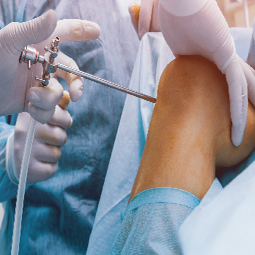
For faster recovery times than tradition open surgery, arthroscopy helps. In this a small camera is inserted through tiny incisions to diagnose and treat joint issues, such as repairing ligaments, removing damaged tissue, or addressing inflammation.
Skull base surgery is used to treat disorders near the base of the skull. This covers regions such as the brain's substratum and significant nerves and blood arteries that leave the brain to support senses like hearing, smell, and sight.
Headache disorders, marked by recurring episodes of head pain, rank among the prevalent conditions affecting the nervous system. Painful and debilitating, headaches represent a key symptom in primary headache disorders such as migraine, tension-type headache, and cluster headache.
We use various markers to diagnose seizures and epilepsy, including EEG tests and imaging scans. Treatment strategies often involve antiepileptic medications, lifestyle modifications, and in some cases, surgical interventions or neurostimulation therapies designed to the individual’s needs and condition’s severity.
A team comprising emergency, neurology, neurosurgery, cardiology, ICU, rehabilitation, and mental health professionals collaborates to provide swift diagnosis, intervention, and comprehensive care.
Our team manages brain and spine tumours with expertise in diagnosis, surgery, and postoperative care. The collaborative effort involves neurosurgeons, oncologists, and supportive specialists for comprehensive treatment and recovery.
We offer comprehensive endoscopic surgery for spinal conditions. A specialized team of best neurologists in Mohali, including endoscopic surgeons, neurosurgeons, and orthopaedic surgeons collaborates to diagnose, treat, and provide postoperative care for spine-related disorders.
The procedure involves placing a small metal clip around the neck of the aneurysm to prevent it from rupturing and causing a potentially life-threatening hemorrhage.
Peripheral nerve surgery is performed to alleviate pain, restore function and improve overall quality of life for individuals with peripheral nerve disorders or injuries.
Trigeminal neuralgia management often begins with medications, progressing to surgical options when conservative measures are insufficient. The choice between treatments depends on the patient's health, preferences, and the nature of the condition.