Kidney stones are hard mineral deposits that form inside the kidneys and can cause severe pain and urinary problems. While some small stones may pass naturally, larger stones often require medical treatment. Ignoring symptoms or unhealthy habits can increase the risk of complications.
Understanding what not to do if you have kidney stones is essential for protecting kidney health and supporting recovery. Healthy lifestyle choices, proper hydration, and timely medical care can make a significant difference.
At Neelam Hospital, experienced urology specialists provide advanced diagnosis and personalized treatment for kidney stones using modern medical technology.
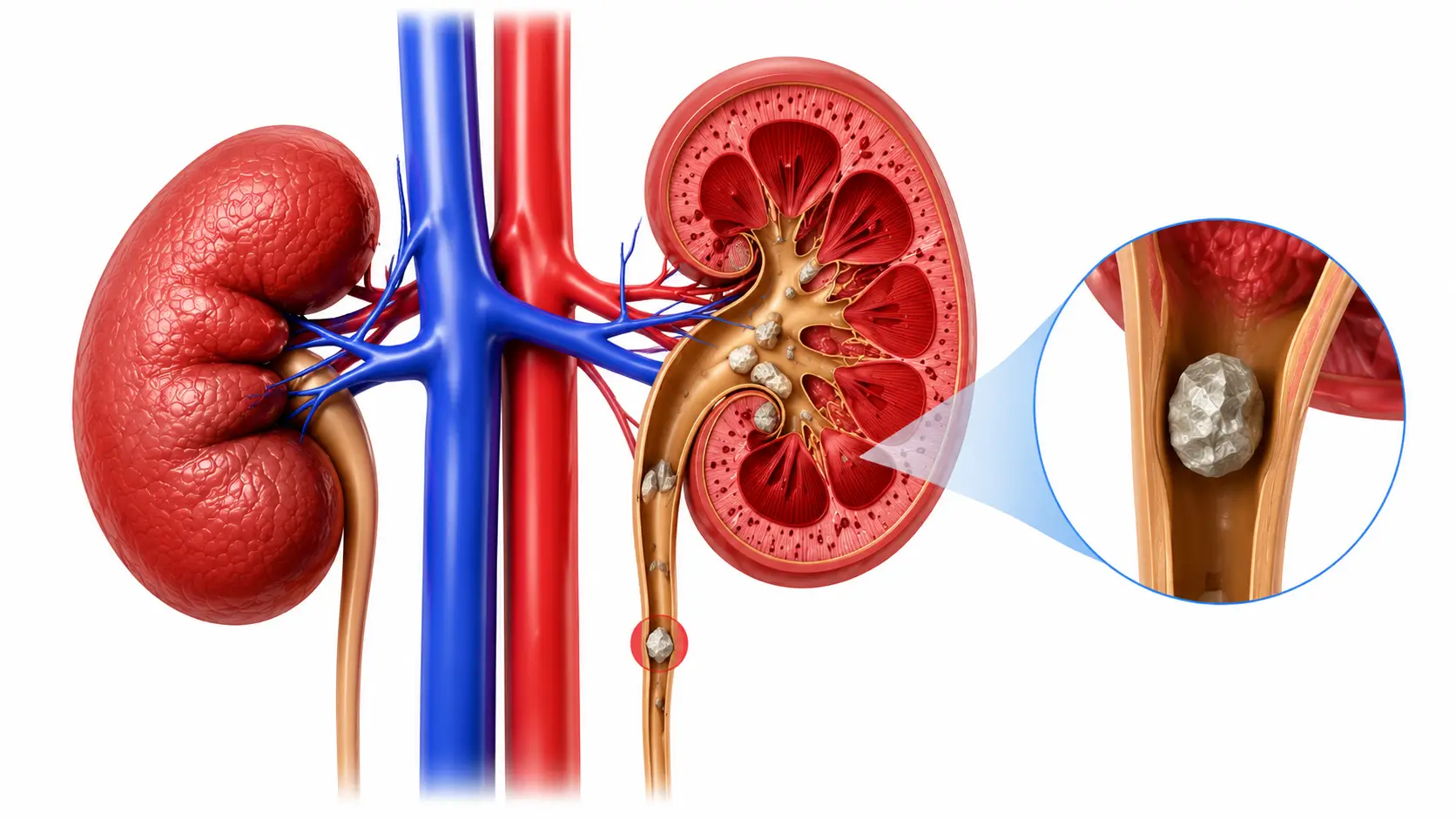
Kidney stone symptoms vary depending on the size and location of the stone. Some people may not notice symptoms until the stone begins moving through the urinary tract.
Common symptoms include:If these symptoms become severe, immediate medical attention is recommended.
Kidney stones are hard deposits made of minerals and salts that form inside the kidneys. They develop when urine contains high levels of minerals such as calcium, oxalate, or uric acid, while lacking enough fluid to dilute these substances.
Several factors may increase the risk of kidney stones, including dehydration, certain dietary habits, obesity, family history, and some medical conditions. Although kidney stones can affect people of all ages, early diagnosis and proper treatment help prevent complications and protect kidney function. Patients can also learn more about kidney stones from trusted medical resources such as MedlinePlus to better understand their symptoms, causes, and treatment options.
Many daily habits can worsen kidney stone symptoms or increase the chances of developing additional stones. Poor hydration, unhealthy eating patterns, delaying medical care, and ignoring symptoms may place extra strain on the kidneys.
Making informed lifestyle choices can support kidney health and reduce the likelihood of recurrent kidney stones. Understanding these habits allows patients to take better care of their urinary system while following medical advice.
One of the biggest mistakes people make is ignoring severe kidney stone pain. While mild discomfort may improve, sudden or intense pain often indicates that a stone is moving or causing blockage in the urinary tract.
If pain becomes unbearable, is accompanied by fever, vomiting, or difficulty passing urine, medical evaluation should not be delayed. Early diagnosis allows doctors to determine the size and location of the stone and recommend the most appropriate treatment.
Dehydration is one of the leading contributors to kidney stone formation. Drinking enough water helps dilute minerals in the urine and supports their natural removal from the body.
Most adults benefit from staying well hydrated throughout the day, although fluid requirements vary depending on age, climate, activity level, and medical conditions. Patients should follow their doctor's recommendations regarding daily fluid intake.
A diet high in sodium may increase calcium levels in the urine, which can contribute to the formation of certain kidney stones.
Reducing processed foods, packaged snacks, fast food, and excessive table salt may help lower this risk. Choosing fresh meals prepared with moderate salt supports both kidney health and overall wellness.
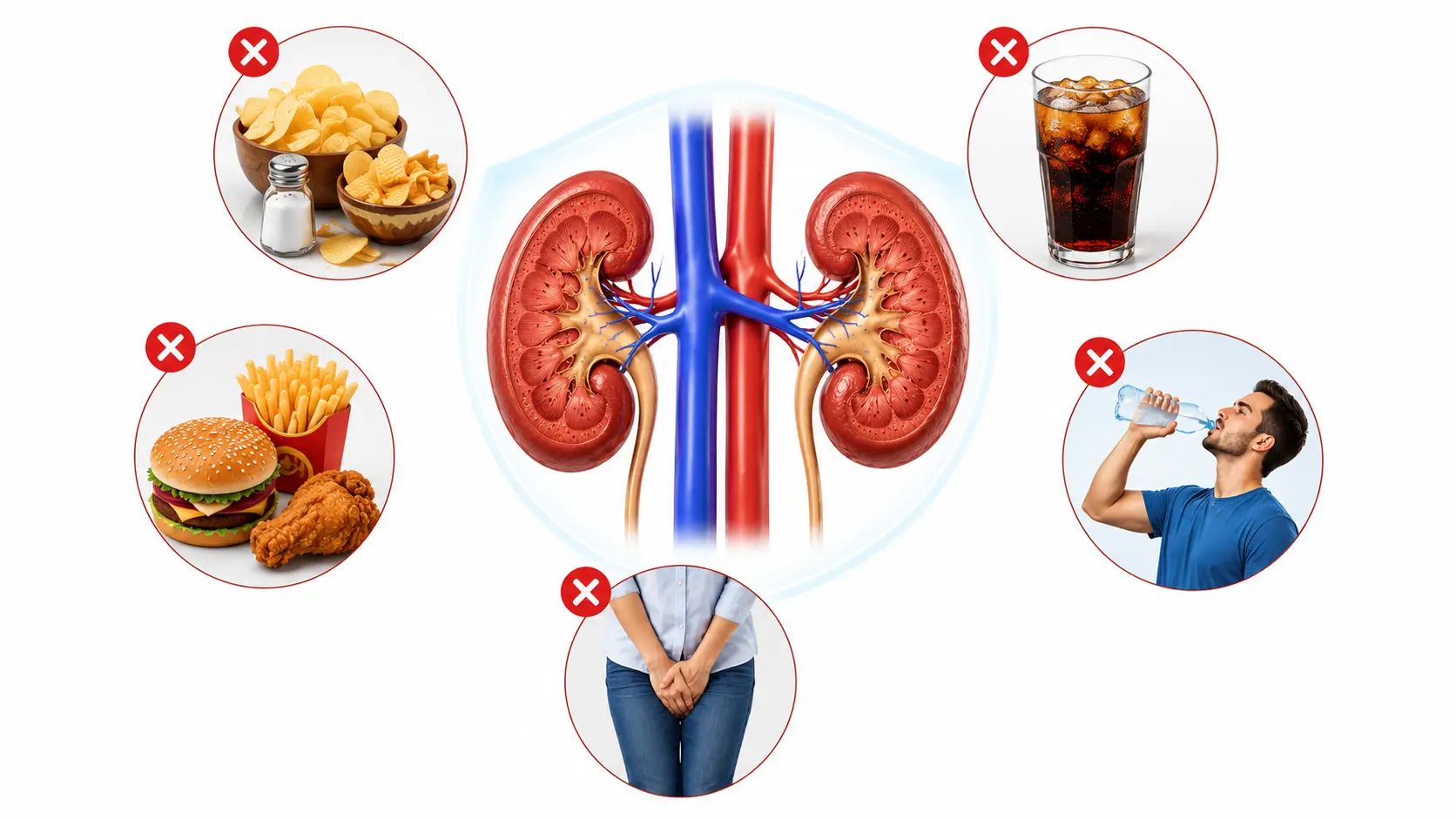
Soft drinks, sugary beverages, and certain carbonated drinks may increase the risk of kidney stone formation in some individuals.
Replacing these beverages with water or other healthier fluid options can support better hydration and overall kidney function. Limiting added sugars also benefits metabolic health.
While protein is an essential part of a healthy diet, consuming excessive amounts of red meat and certain animal proteins may increase uric acid levels and place additional stress on the kidneys.
Patients with kidney stones should aim for a balanced diet that includes appropriate portions of protein based on their doctor's or dietitian's recommendations.Many people try to manage kidney stone pain at home without consulting a doctor. Although some small stones may pass naturally, larger stones can block urine flow and lead to infection or kidney damage if left untreated.
Prompt medical evaluation helps determine whether medications, minimally invasive procedures, or surgical treatment are required. Patients can also learn about the different kidney stone treatment options and removal methods to better understand the available procedures. Early treatment can reduce pain and prevent serious complications.
Pain relievers and other medications should only be taken under the supervision of a qualified healthcare professional. Self-medication may not address the underlying cause and could delay appropriate treatment.
Always follow the dosage and treatment plan prescribed by your doctor.
Holding urine for prolonged periods is not recommended, especially for individuals with kidney stone disease. Regular urination helps flush waste products and minerals from the urinary system.
Patients should also maintain good personal hygiene and seek medical advice if they notice burning during urination or signs of urinary tract infection.
Certain foods naturally contain high levels of oxalates, which may contribute to calcium oxalate kidney stones in susceptible individuals.
Foods that may require moderation include:Not everyone needs to avoid these foods completely. Dietary changes should always be based on individual medical advice and the type of kidney stone diagnosed.
Regular follow-up appointments are an important part of kidney stone management. Follow-up imaging and medical evaluations allow doctors to monitor recovery, assess whether stones have passed, and identify any new stone formation.
Consistent follow-up care also provides an opportunity to review dietary habits, hydration, and preventive measures to reduce the risk of recurrence.
Diet plays an important role in preventing kidney stone recurrence. While food recommendations vary depending on the type of stone, doctors commonly advise limiting:
A personalized diet plan prepared under medical guidance can help reduce the risk of future kidney stones while supporting overall kidney health.
Although some small kidney stones may pass naturally, certain symptoms require immediate medical attention. Ignoring these warning signs can increase the risk of serious complications, including urinary tract infections, kidney damage, or blockage of urine flow.
Blood in UrineSeeing blood in the urine (hematuria) is a common symptom of kidney stones, but it should never be ignored. Urine may appear pink, red, or brown depending on the amount of blood present. A medical evaluation is important to determine the exact cause and begin appropriate treatment.
Fever and ChillsFever, chills, or shivering along with kidney stone pain may indicate an infection in the urinary tract or kidneys. This is considered a medical emergency because untreated infections can spread quickly and may lead to serious health complications. Immediate consultation with a urologist is strongly recommended.
Severe PainKidney stone pain can be intense and may come in waves as the stone moves through the urinary tract. If the pain becomes unbearable or does not improve with prescribed medication, patients should seek emergency medical care without delay.
Difficulty UrinatingDifficulty passing urine, reduced urine output, or complete blockage may occur if a kidney stone obstructs the urinary tract. This requires prompt medical evaluation to prevent kidney damage and restore normal urine flow.
People who have experienced kidney stones once may have a higher chance of developing them again. Fortunately, healthy lifestyle habits and regular medical follow-up can significantly reduce the risk of recurrence.
Hydration Tip for Long-Term PreventionAfter successful treatment, maintaining adequate hydration every day can help reduce the risk of future kidney stone formation. Your doctor may recommend a personalized daily fluid intake based on your health condition.
Follow a Balanced DietA healthy diet rich in fruits, vegetables, whole grains, and moderate amounts of lean protein supports kidney health. Limiting processed foods, excess salt, and sugary beverages may help lower the risk of future kidney stones.
Maintain a Healthy Body WeightObesity and metabolic disorders can increase the likelihood of kidney stone formation. Maintaining a healthy weight through regular exercise and balanced nutrition supports overall urinary tract health.
Follow Your Doctor's AdvicePatients should take prescribed medications as directed and attend scheduled follow-up appointments. Regular monitoring helps doctors identify potential problems early and recommend preventive measures based on the type of kidney stone.
Manage Underlying Health ConditionsCertain medical conditions, including diabetes, gout, and recurrent urinary tract infections, may increase the risk of kidney stones. Proper management of these conditions can contribute to long-term kidney health.
At Neelam Hospital, patients receive comprehensive kidney stone diagnosis and treatment from experienced urology specialists using advanced diagnostic technology and modern treatment techniques. The hospital offers minimally invasive procedures, laser kidney stone treatment, and advanced robotic-assisted surgery for suitable urological conditions, with a focus on safe treatment and faster recovery.
The urology department is led by Dr. Nitin Gupta (M.B.B.S., M.S., M.Ch. Urology), Director of Urology and Kidney Transplant, with over 15 years of experience in treating kidney stones and other urological disorders.
Trusted by patients across Punjab, Haryana, Chandigarh, and nearby regions, Neelam Hospital is a leading Kidney hospital in Punjab, providing personalized kidney stone care, advanced urological services, and expert consultation for Kidney transplant in Punjab.
Kidney stones can cause severe pain, but early diagnosis, healthy lifestyle habits, and timely medical treatment can help prevent complications and support faster recovery. Staying hydrated, following a balanced diet, and avoiding self-medication are important steps in managing kidney stone disease.
If you experience persistent kidney stone symptoms or recurrent urinary problems, consult an experienced urologist without delay. If you're looking for an experienced kidney specialist, learn more about our kidney specialists at Neelam Hospital. Patients receive advanced kidney stone treatment using modern diagnostic and treatment technologies.
Whether you are looking for expert kidney stone treatment or a trusted Kidney hospital in Punjab, Neelam Hospital is committed to providing personalized, evidence-based care. If you or your loved one has symptoms of kidney stones, book an appointment with our experienced urology team for timely diagnosis and comprehensive kidney care.
Yes. Some small kidney stones may pass naturally through the urinary tract with adequate hydration and medical guidance. Larger stones may require medications or specialized treatment depending on their size and location.
Q2. What foods cause kidney stones?Foods high in sodium, excessive animal protein, sugary beverages, and oxalate-rich foods may contribute to kidney stone formation in some individuals. Dietary recommendations should always be personalized based on the type of kidney stone.
Q3. Is coffee bad for kidney stones?Moderate coffee consumption may be acceptable for many individuals. However, excessive caffeine intake can contribute to dehydration if adequate water intake is not maintained. Patients should follow their doctor's dietary advice.
Q4. How much water should I drink if I have kidney stones?Drinking enough water is one of the most important steps in preventing kidney stones and supporting kidney health. The ideal amount of water varies based on factors such as age, activity level, climate, and overall health. Many doctors recommend drinking enough fluids to keep your urine pale yellow or clear. You can also learn more about the benefits of drinking water and how proper hydration supports overall kidney health. If you have kidney stones or a history of recurrent stones, consult your urologist for personalized hydration advice.
Q5. When should I visit a urologist for kidney stones?You should consult a urologist if you experience severe pain, blood in the urine, fever, chills, difficulty passing urine, recurrent kidney stones, or symptoms that do not improve with medical treatment. Early evaluation helps prevent complications and supports faster recovery.