Kidney surgery has evolved significantly over the past few decades. Earlier, patients had to undergo large incisions, experience higher pain levels, and stay in the hospital for a longer duration. However, with modern medical advancements, robotic kidney surgery has transformed the way kidney conditions are treated, offering faster recovery and improved precision.
If you are trying to understand Robotic Kidney Surgery vs Open Surgery, this detailed guide will help you compare both procedures in a simple and clear way so you can make an informed decision.
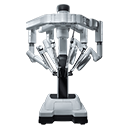
Robotic kidney surgery is a minimally invasive surgical technique in which surgeons use a robotic system to perform complex kidney procedures with high precision and control.
Instead of directly operating with hands, the surgeon controls robotic arms from a console. These robotic instruments replicate the surgeon’s movements with enhanced accuracy.
Key features of robotic kidney surgery:At advanced centers like Neelam Hospital, robotic kidney procedures are performed under expert supervision. Dr. Nitin Gupta, Director with 15+ years of experience in urology and kidney transplant super specialty, ensures that patients receive safe and advanced treatment.
This technique is commonly used for kidney tumors, partial kidney removal, and complex renal surgeries.
Open kidney surgery is the traditional surgical method where a large incision is made in the abdomen or side to directly access the kidney.
The surgeon performs the procedure manually using direct visualization of the organ.
Key features of open surgery:Although open surgery is effective and still used in complex or emergency cases, it is more invasive compared to modern robotic techniques.
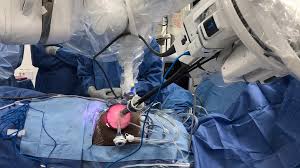
This makes kidney robotic surgery a preferred option for patients seeking faster recovery.
When comparing both methods, robotic kidney surgery clearly offers faster recovery.
This is because:As a result, more patients today prefer kidney robotic surgery over traditional open surgery, especially when early return to daily life is a priority.
Both robotic and open kidney surgeries are effective treatment methods, but they are used based on different medical conditions. If the priority is faster recovery, less pain, and quicker return to normal life, robotic surgery is usually the better option. However, open surgery still plays an important role in complex cases where advanced access is required.
Advanced centers like Neelam Hospital provide both surgical options based on patient condition, ensuring safe and personalized treatment.
Recovery after robotic kidney surgery is usually much faster compared to traditional methods. Most patients are able to return to light daily activities within 2–4 weeks, depending on their overall health, age, and how well they follow post-surgery care instructions. Since the procedure is minimally invasive, healing is quicker and hospital stay is also shorter.
Yes, robotic kidney surgery is considered very safe when performed using advanced technology and by experienced surgical teams. The robotic system allows high precision, better control, and enhanced visibility during surgery, which helps reduce complications. Like any surgery, there are minor risks, but overall safety outcomes are excellent in modern medical settings.
Open surgery is still used in certain medical situations where robotic surgery may not be suitable. This includes very large or complex kidney tumors, emergency cases, or conditions where internal anatomy makes minimally invasive access difficult. In such cases, open surgery allows the surgeon direct access and better control for safe treatment.
Yes, robotic surgery generally causes significantly less pain compared to open surgery. This is because it uses small keyhole incisions instead of a large cut, resulting in less damage to muscles and surrounding tissues. Patients usually experience a more comfortable recovery and require fewer pain medications after surgery.
In most cases, robotic kidney surgery is preferred for treating kidney tumors because it offers higher precision and better control during tumor removal. It also helps preserve more healthy kidney tissue whenever possible. Additionally, patients benefit from faster recovery, less pain, and smaller scars compared to traditional open surgery.