Hernia is a common medical condition in which an internal organ or tissue pushes through a weak area in the muscle. With advancements in medical technology, minimally invasive techniques like robotic surgery and laparoscopic surgery have become the preferred options for hernia repair.
Both procedures are effective, but they differ in terms of precision, recovery time, and overall patient experience. Understanding these differences in Robotic vs Laparoscopic Hernia Surgery can help you choose the right treatment.
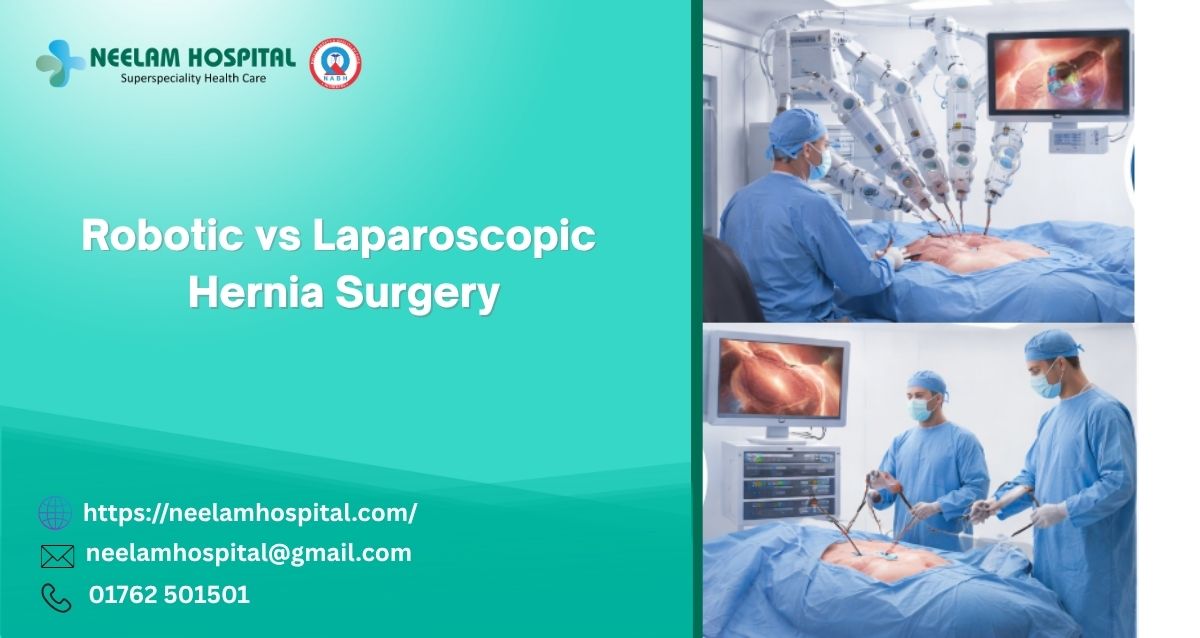
Robotic hernia surgery is an advanced minimally invasive procedure performed using a robotic-assisted system. In this technique, the surgeon controls robotic arms from a console, allowing highly precise movements during the operation.
The system provides a 3D high-definition view, which helps the surgeon perform complex procedures with greater accuracy.
Benefits:At Neelam Hospital Rajpura, robotic-assisted hernia surgery is performed using modern technology, ensuring a high standard of patient care and safety.
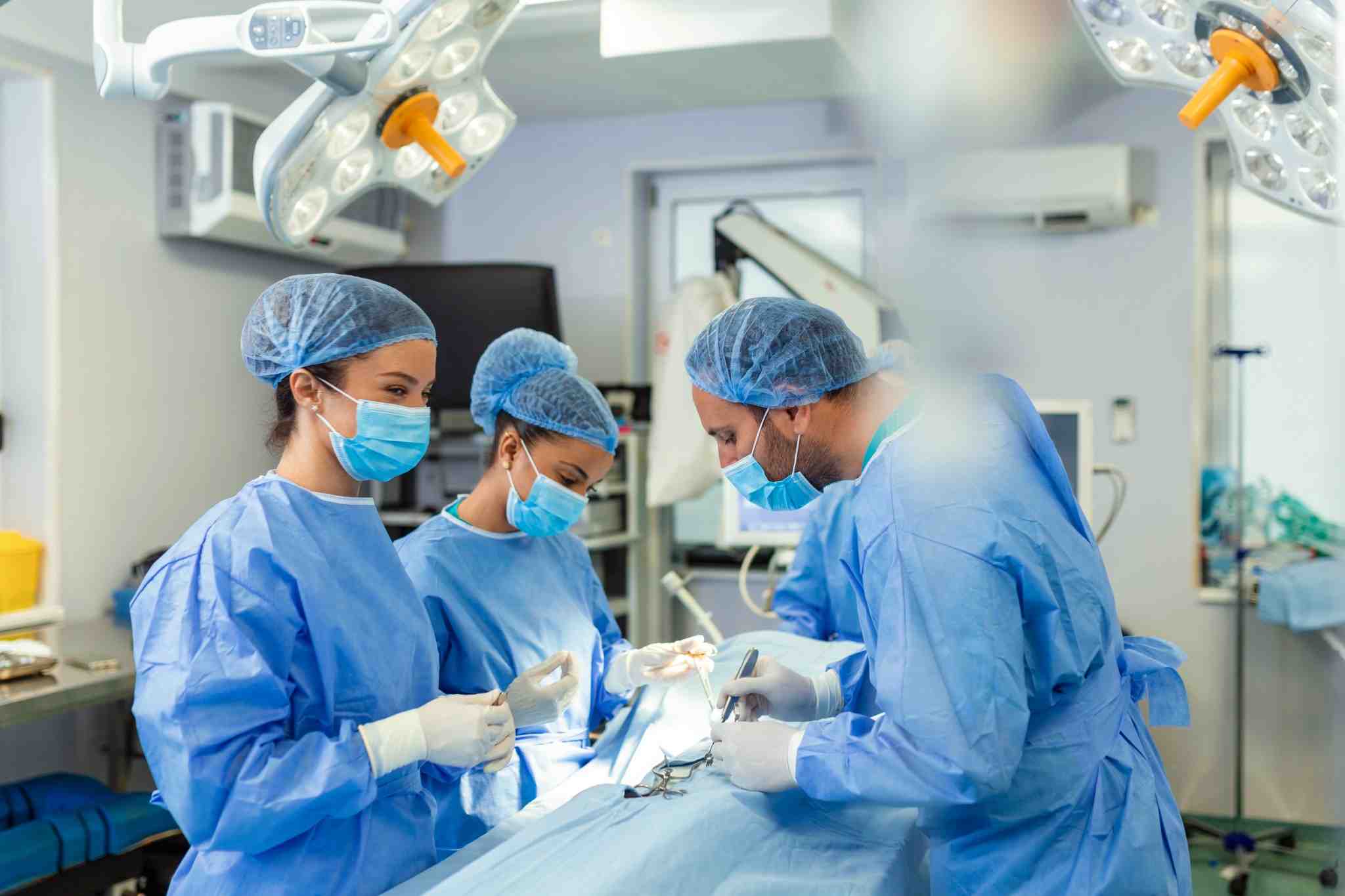
Laparoscopic hernia surgery is another minimally invasive technique that uses small incisions, a camera, and specialized surgical instruments. The surgeon views the surgical area on a screen and performs the procedure accordingly.
It is widely used and considered a reliable alternative to traditional open surgery.
Benefits:This method is commonly recommended for simple to moderate hernia cases.
Understanding the differences between these two techniques can help patients make informed decisions:
Recovery time and post-surgery comfort are important factors when choosing the right hernia treatment. While both robotic and laparoscopic surgeries are minimally invasive, the recovery experience can vary depending on the technique used.
Robotic Hernia Surgery:Robotic hernia surgery may offer a smoother and faster recovery, especially for complex cases. However, laparoscopic surgery remains a safe and effective option for many patients.
Choosing between robotic and laparoscopic hernia surgery depends on several individual factors. There is no one-size-fits-all approach, and the right choice varies from patient to patient.
Key Factors to Consider:Both robotic and laparoscopic hernia surgeries are safe and effective. The best option depends on your specific condition and medical needs. Consulting an experienced surgeon is essential to make an informed decision and achieve the best possible outcome.
Also Read:Patients considering minimally invasive treatment can also explore robotic surgery in Punjab to understand the range of advanced robotic procedures available at Neelam Hospital.At Neelam Hospital Rajpura, patients receive advanced hernia treatment using modern surgical techniques. The hospital focuses on patient safety, personalized care, and improved recovery outcomes.
Dr. Nitin Gupta (M.S.), a qualified and experienced surgeon, specializes in minimally invasive procedures, including robotic and laparoscopic hernia surgeries. His expertise ensures that each patient receives the most suitable treatment based on their condition.
With advanced infrastructure and a skilled medical team, Neelam Hospital provides reliable and patient-centered healthcare services.
Both robotic and laparoscopic hernia surgeries are safe and effective treatment options. While robotic surgery offers advanced precision and faster recovery in many cases, laparoscopic surgery remains a trusted and cost-effective method. For a better understanding of hernia causes and symptoms, you can also refer to trusted medical resources like the Mayo Clinic.
Both robotic and laparoscopic hernia surgeries are safe and effective. Robotic surgery offers higher precision and faster recovery in complex cases, while laparoscopic surgery is a reliable and cost-effective option for simple hernias.
Robotic hernia surgery is generally associated with less post-operative pain because of its high precision and minimal tissue damage. Most patients experience a comfortable recovery compared to traditional methods.
Recovery time depends on the type of surgery and the patient’s condition. Most patients recover within 1–3 weeks after robotic surgery and 2–4 weeks after laparoscopic surgery, depending on their overall health.