Healthcare is undergoing a remarkable transformation, driven by rapid advancements in medical technology. Across Punjab, hospitals are increasingly adopting innovative healthcare solutions to improve patient outcomes, enhance safety, and provide more personalized treatment experiences. From AI-powered monitoring systems, digital healthcare platforms, robotic surgeries, and advanced diagnostics, modern healthcare is transforming patient care.
As healthcare needs continue to evolve, patients expect faster diagnoses, more accurate treatments, shorter recovery times, and better overall experiences. Technology-enabled hospitals are helping meet these expectations by combining medical expertise with cutting-edge innovations that support efficient, high-quality care.
The healthcare industry has witnessed significant changes over the past decade. Traditional medical practices relied heavily on manual processes, paper-based records, and limited access to real-time patient information. Today, advanced healthcare technologies have transformed the way hospitals diagnose diseases, monitor patients, perform surgeries, and manage treatment plans.
Modern hospitals now use digital systems, sophisticated imaging technologies, AI-driven analytics, and robotic-assisted surgical platforms to support clinical decision-making and improve healthcare delivery. These advancements not only increase efficiency but also help healthcare professionals provide more precise and patient-centered care.
In a growing state like Punjab, rising demand for specialized healthcare makes technological innovation essential for quality medical care.
Technology plays a vital role in improving both the quality and efficiency of healthcare services. Advanced medical systems allow healthcare providers to collect, analyze, and interpret patient information more effectively, leading to informed treatment decisions and improved outcomes.
Some key benefits of healthcare technology include:By reducing delays and improving access to accurate patient data, technology helps hospitals deliver more effective and timely medical care.
Artificial Intelligence is becoming an increasingly valuable tool in modern healthcare. AI-powered monitoring systems assist healthcare professionals by continuously analyzing patient data and identifying potential changes in health conditions.
These systems can provide real-time insights into vital signs and other clinical indicators, allowing medical teams to respond quickly when intervention may be required. AI-supported monitoring is particularly useful in intensive care units, post-surgical recovery settings, and other situations where continuous observation is important.
While AI technology does not replace the expertise of doctors and nurses, it serves as a powerful support system that enhances clinical decision-making and improves patient management.
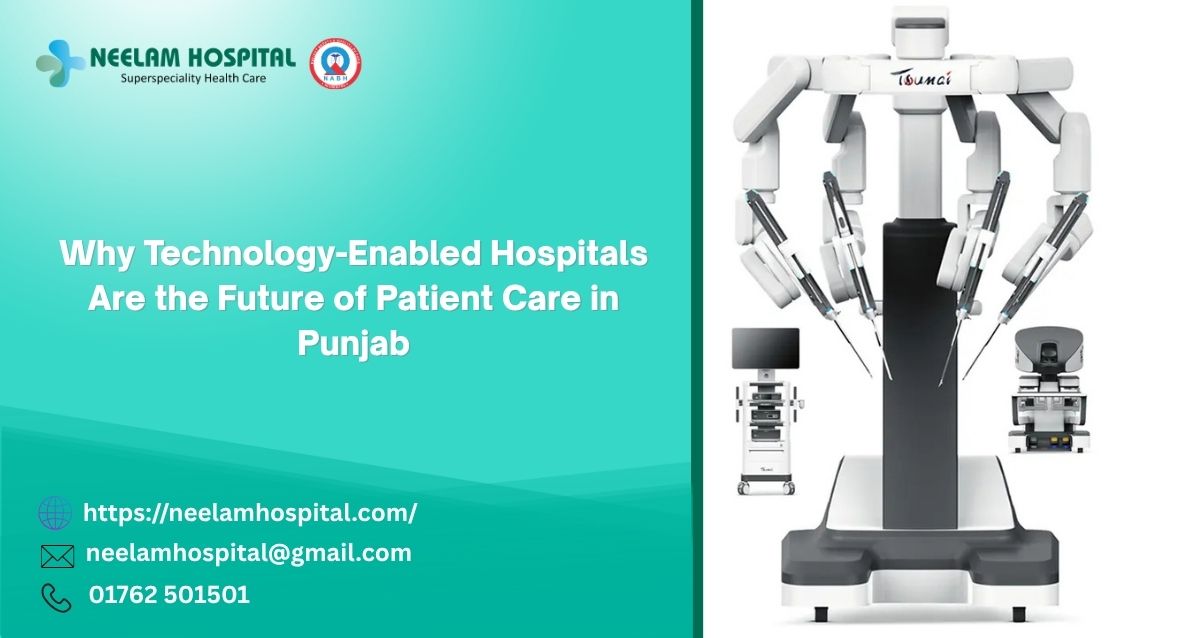
One of the most significant innovations in healthcare today is robotic-assisted surgery. These advanced surgical systems allow surgeons to perform complex procedures with enhanced precision, improved visualization, and greater control.
Robotic-assisted technology can support minimally invasive procedures in suitable cases, potentially contributing to reduced blood loss, smaller incisions, and shorter recovery periods. The technology enables surgeons to perform delicate movements with a high degree of accuracy while maintaining complete control throughout the procedure.
As robotic surgery becomes more widely adopted, patients across Punjab are gaining access to advanced surgical options that were previously available only in select healthcare centers.
As part of its commitment to advancing patient care, Neelam Hospital has embraced modern healthcare technologies that support improved clinical outcomes and patient experiences.
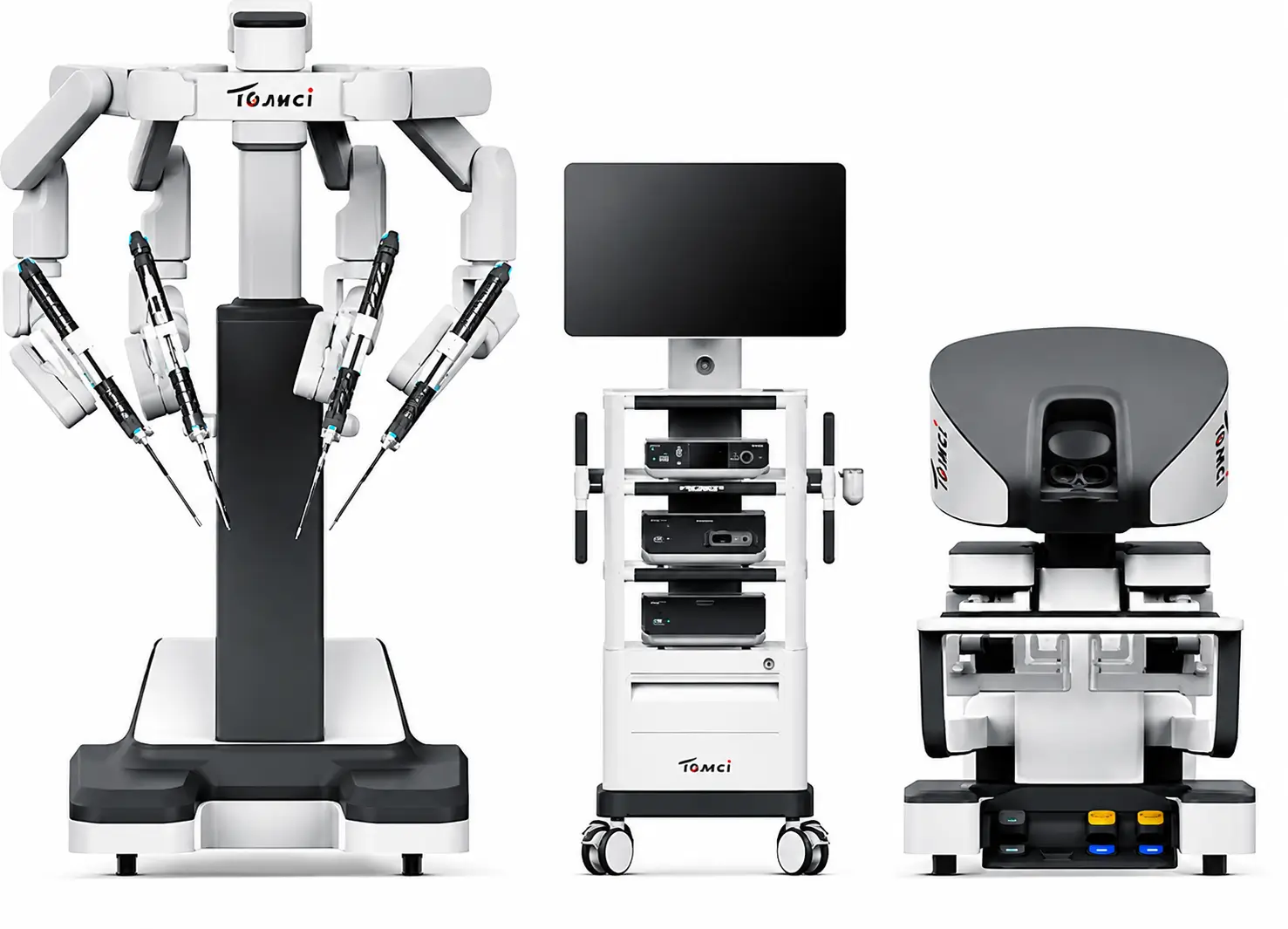
A major milestone in this journey has been the introduction of the MedBot Toumai Robotic System, making Neelam Hospital one of the first healthcare institutions in North India to offer this advanced robotic-assisted surgical technology. The system is designed to support surgeons during complex procedures through high-definition visualization and enhanced instrument control.
Key Features of the MedBot Toumai Robotic SystemThe adoption of robotic-assisted surgery reflects the hospital’s focus on innovation, precision, and patient-centered healthcare. By integrating advanced technologies such as the MedBot Toumai Robotic System, Neelam Hospital aims to provide patients with access to modern surgical care closer to home.
Technology delivers the greatest value when combined with experienced medical professionals. At Neelam Hospital, healthcare specialists work alongside advanced medical systems to provide comprehensive and personalized care.
Under the leadership of experienced specialists such as Dr. Nitin Gupta, the hospital has continued to adopt modern treatment approaches and advanced healthcare technologies aimed at improving patient outcomes.
Similarly, Dr. Shikha Gupta and Dr. Gaurika Aggarwal provide specialized women’s healthcare services supported by modern diagnostic tools and evidence-based treatment practices. Their expertise, combined with advanced medical infrastructure, helps ensure patients receive individualized care tailored to their specific healthcare needs.
The integration of skilled medical professionals and innovative healthcare technologies creates an environment focused on quality, safety, and excellence in patient care.
Digital healthcare solutions are helping hospitals improve operational efficiency and streamline patient experiences. From online appointment scheduling and electronic medical records to digital communication systems, technology is simplifying healthcare delivery at every stage.
These systems enable healthcare professionals to access patient information quickly, improve coordination between departments, and reduce administrative delays. As a result, patients benefit from smoother healthcare journeys and more efficient care management.
Digital transformation also supports long-term continuity of care by maintaining accurate medical records and facilitating ongoing treatment monitoring.
Patient safety remains one of the highest priorities in healthcare. Modern hospital facilities are increasingly equipped with advanced technologies that help healthcare teams deliver safe and effective treatment.
Technology contributes to patient safety through:These innovations help reduce risks, improve healthcare quality, and provide patients with greater confidence in their treatment experience.
The future of healthcare in Punjab will increasingly be shaped by hospitals that embrace innovation and technological advancement. As healthcare technology continues to evolve, patients can expect improved access to specialized treatments, more efficient medical services, and better overall healthcare experiences.
Technologies such as AI-powered monitoring systems, robotic-assisted surgery, advanced diagnostics, and digital healthcare platforms are helping create a new standard of care that prioritizes accuracy, efficiency, and patient well-being.
Hospitals that successfully combine experienced medical professionals with cutting-edge healthcare technology will be well-positioned to meet the growing healthcare demands of the region.
Technology-enabled hospitals are transforming healthcare by improving diagnostic accuracy, enhancing patient safety, supporting faster treatment decisions, and delivering more personalized care experiences. Innovations such as AI-powered patient monitoring, robotic-assisted surgery, digital healthcare systems, and advanced medical infrastructure are helping healthcare providers raise the standard of patient care.
With continued investments in innovation, modern healthcare facilities such as Neelam Hospital are contributing to the advancement of healthcare services in Punjab. By combining experienced specialists, advanced medical technologies, and patient-centered treatment approaches, technology-enabled hospitals are helping shape a healthier and more promising future for patients across the region.
A technology-enabled hospital uses advanced medical technologies such as AI-powered monitoring systems, robotic-assisted surgery, digital healthcare records, and modern diagnostic tools to improve patient care, safety, and treatment outcomes.
AI helps healthcare professionals by analyzing patient data, monitoring vital signs in real time, identifying potential health risks, and supporting informed clinical decision-making.
Robotic-assisted surgery offers enhanced precision, improved visualization, and greater control during complex procedures. In suitable cases, it may support smaller incisions, reduced blood loss, and faster recovery.
The MedBot Toumai Robotic System is an advanced robotic-assisted surgical platform designed to assist surgeons with high-definition 3D visualization, precise instrument control, and minimally invasive surgical capabilities.