A broken bone needs proper care, patience, and enough nutrition for recovery. Many people also look for natural ways to support bone healing at home.
So, can home remedies heal a broken bone? The answer depends on the type and severity of the fracture. Home care can support recovery, reduce discomfort, and help maintain good nutrition. However, home remedies cannot replace fracture assessment, immobilization, or surgery when needed.
At Neelam Hospital, Rajpura, Punjab, fracture care can be planned according to the injury, bone involved, and overall health. Proper evaluation is especially important when severe pain, deformity, or loss of movement is present. This guide explains what may support recovery and what should be avoided after a fracture.
Yes, the body has its own bone-healing process. New bone tissue can gradually form around a fracture.
However, natural healing does not mean that every fracture can heal without medical treatment. The broken bone may need proper alignment and stability.
A minor fracture may be managed with immobilization and regular follow-up. More complex injuries may require reduction or surgery.
The treatment depends on several factors, including:Therefore, natural bone healing should be understood as the body's healing process. It should not be confused with treating a fracture using home remedies alone.
Nutrition and healthy habits can support the healing process. Still, the fracture itself may need professional treatment.
Bone healing needs more than one nutrient or remedy. A balanced diet, adequate rest, and appropriate medical care all matter.
The body needs protein, calcium, vitamin D, and other nutrients for normal bone health. Calcium provides important structural support for bones. Vitamin D helps the body absorb calcium.
Here are some important factors that can support recovery.
 Protein
Protein is an important part of a balanced diet during recovery. It supports muscles and body tissues while the body repairs itself. Good sources include eggs, dairy products, pulses, beans, fish, chicken, and lean meats.
People with poor appetite may struggle to get enough protein after an injury. A doctor or dietitian can help create a suitable diet plan when needed. However, eating extra protein does not guarantee faster fracture healing. The overall diet matters more than one specific food.
CalciumCalcium plays an important role in bone structure and strength. Milk, yogurt, cheese, tofu, and some leafy vegetables can provide calcium. Some fortified foods can also contribute useful amounts.
Daily calcium needs vary according to age and sex. Therefore, supplements should not be started simply because a fracture has occurred. Too much calcium can also create health problems in some people. A healthcare professional can advise whether supplementation is appropriate.
Vitamin DVitamin D helps the body absorb calcium. It can be obtained through certain foods, supplements, and sunlight exposure. However, individual vitamin D needs can vary.
People with low vitamin D may need testing or supplementation. That decision should be made with appropriate medical guidance. Adequate vitamin D is important for maintaining healthy bones. However, taking large doses does not automatically make a fracture heal faster.
Bone recovery also depends on an overall balanced diet. Magnesium, phosphorus, vitamin K, vitamin C, and other nutrients support normal body functions. These nutrients can usually be obtained through a varied diet.
Fresh fruits, vegetables, whole grains, nuts, seeds, pulses, and dairy foods can contribute to a balanced eating pattern. Instead of searching for one natural remedy for bone healing, focus on consistent nutrition. If you have diabetes, kidney disease, digestive problems, or another medical condition, dietary needs may differ.
Rest is important during the early recovery period.
However, complete inactivity may not be suitable for every fracture. Your doctor may recommend specific movements or exercises during recovery.
A cast, splint, brace, or other support may be required to keep the injured area stable. Follow-up visits may also be needed to monitor healing.
For example, broken-leg recovery can involve immobilization, pain management, and later physiotherapy. The treatment depends on the fracture and its severity.
Therefore, how to heal bones faster naturally should not be approached as a race. Safe recovery should remain the priority.
Herbs are often promoted online as natural remedies for broken bones. However, evidence does not support using herbs as a replacement for proper fracture treatment.
Some herbal products may be marketed for bone repair. Their quality, dosage, and safety can vary greatly.
Some products may also interact with medicines. This can become important before surgery or during treatment with prescription medicines.
Therefore, tell your doctor about any herbal product or supplement you are taking.
Herbs may have a role in general wellness for some people. However, no home herbal remedy should be relied upon to realign or stabilize a broken bone.
Home care can sometimes support recovery after a fracture has been medically assessed.
However, suspected fractures should not simply be managed at home without evaluation. An X-ray may be needed to confirm the injury and understand its severity.
For some injuries, a splint or cast can keep the bone stable while it heals. Severe fractures may require surgical fixation.
Safe home care may include:For example, elevation and appropriate pain management may help with swelling and discomfort.
So, home treatment for a broken bone should usually mean supportive care after proper assessment. It should not mean attempting to fix the fracture yourself.
If a fracture has already been diagnosed, follow the treatment plan provided by your orthopaedic team.
Knowing what to avoid can be just as important as knowing what to do.
Do not try to straighten the bone yourselfA displaced fracture may look unusual or appear out of position. Do not try to push or pull the bone into place. This can cause additional damage to tissues, blood vessels, or nerves.
Do not put weight on the injury without adviceWalking on an injured leg may worsen some fractures. Use crutches, a walking aid, or other support only as recommended. Your doctor can tell you when weight-bearing is safe.
Do not remove a cast without medical adviceA cast or splint may be keeping the fracture stable. Removing it too early can interfere with recovery. Follow the instructions provided by your treating team.
Do not depend only on oils or massageMassage around a fresh fracture can cause pain or tissue irritation. Do not massage directly over a suspected or newly diagnosed fracture unless a healthcare professional approves it.
Do not smokeSmoking can negatively affect fracture healing. Orthopaedic guidance identifies tobacco use as a risk factor for poor healing. If you smoke, consider asking your healthcare professional about quitting support.
Do not take large supplement doses without adviceMore vitamins or minerals do not always mean faster healing. High doses can cause unwanted effects or interact with medicines. Supplements should be selected according to individual needs.
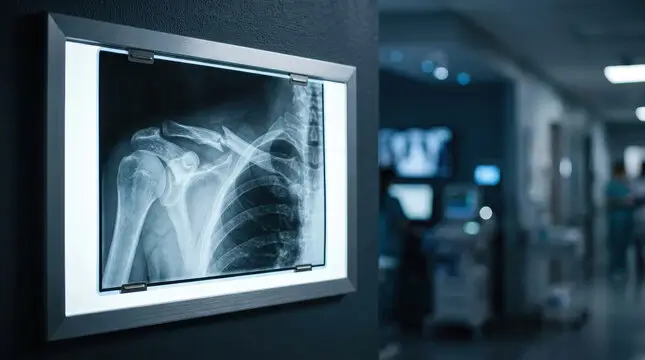
A suspected fracture should be medically assessed, especially after significant trauma.
Urgent evaluation becomes particularly important when the injured area looks deformed. Severe swelling, numbness, or loss of normal movement also needs attention.
An open wound near the injury can also indicate a serious fracture. Visible bone requires urgent medical care.
For arm or wrist injuries, numbness, tingling, heavy bleeding, deformity, or exposed bone are warning signs requiring urgent assessment.
You should also seek medical advice when:These signs should not be managed with home remedies alone. If you are in Rajpura or nearby areas of Punjab, timely orthopaedic assessment can help determine the right treatment approach.
There is no single healing time for every broken bone.
Some fractures may heal within several weeks. Others may require several months, especially when the injury is severe.
For example, a broken arm or wrist often takes around six to eight weeks to recover. A broken leg may take around six to twelve weeks. Complex injuries can take longer.
Healing time can be affected by:Pain may improve before the bone has fully healed. Therefore, feeling better does not always mean that normal activity is safe.
Your doctor can guide you about returning to work, exercise, driving, or sports.
Ans. Home remedies cannot reliably replace medical fracture treatment. Nutrition, rest, and supportive care can help the recovery process.
Q. What is the best natural remedy for bone healing?Ans. There is no single proven natural remedy that can repair every fracture. A balanced diet and appropriate medical care are more important.
Q. How can I support bone healing naturally?Ans. Eat a balanced diet with enough protein and calcium. Maintain adequate vitamin D and follow your doctor's activity instructions.
Q. Can herbs heal broken bones faster?Ans. There is not enough reliable evidence to recommend herbs as a fracture treatment. Some herbal products may also interact with medicines.
Q. Can a fracture heal without surgery?Ans. Some fractures can heal without surgery. Others may need surgical fixation because of displacement, instability, or the type of injury. The decision should be based on imaging and professional assessment.
Q. Can I treat a broken bone at home?Ans. Supportive care may be provided at home after the fracture has been assessed. However, suspected fractures should receive proper medical evaluation.
Q. Should I take calcium after a fracture?Ans. Calcium is important for bone health. However, supplements are not automatically required after every fracture. Your dietary intake and individual health should be considered first.
Q. Does smoking affect fracture healing?Ans. Yes. Smoking can negatively affect bone healing and may increase the risk of delayed healing.
Q. When should I see an orthopaedic doctor?Ans. You should seek assessment after a significant injury with severe pain, swelling, deformity, or difficulty using the affected area. Urgent care is needed when bone is exposed or circulation and sensation appear affected.
A broken bone should never be treated as a minor injury. Home care can support comfort and recovery, but the right treatment depends on the fracture itself.
If you have a suspected fracture, getting the injury assessed is the safest first step. Once the condition is understood, your healthcare team can guide you about recovery, activity, nutrition, and follow-up care.
At Neelam Hospital, Rajpura, Punjab, patients can seek professional guidance for fracture and orthopaedic concerns based on their individual condition.
If you or a family member has a suspected or diagnosed fracture, timely assessment can help prevent avoidable complications.
Contact Neelam Hospital, Rajpura, Punjab, for orthopaedic evaluation and appropriate fracture care.