Neelam Hospital

Appointment

Emergency

What's New

Consult

IVF

blog-img

10 Early Signs of Kidney Disease You Shouldn’t Ignore

Kidneys play a vital role in maintaining your overall health. They filter waste, regulate blood pressure, balance fluids and even produce important hormones. However kidney disease often develops silently. By the time symptoms become obvious significant damage may already have occurred. That’s why understanding the early signs of kidney disease is crucial for timely diagnosis and treatment. In this blog we’ll explore the 10 early signs of kidney disease. You should never ignore what causes them and when to seek medical attention. Recognizing these warning signs can protect your health and even save your life.

1. Fatigue and Low Energy Levels

One of the earliest signs of kidney disease is persistent fatigue. When your kidneys aren’t functioning properly toxins and waste build up in the blood leading to feelings of tiredness and weakness. Low red blood cell production (anemia) caused by kidney dysfunction can also leave you feeling drained. Don’t ignore it : If you feel unusually tired even after getting enough sleep it’s worth getting your kidney function checked.

2. Changes in Urination Patterns

Kidney disease often manifests through noticeable changes in urination. These may include :-
  • Urinating more often or less often than usual
  • Waking up at night to urinate
  • Foamy or bubbly urine
  • Blood in urine
  • Dark colored or cloudy urine
These changes reflect how well your kidneys are filtering waste and balancing fluid levels in the body.

3. Swelling in the Ankles Feet or Hands

When kidneys can’t remove extra fluid it builds up in the body leading to swelling (edema)—especially in the feet, ankles and hands. This is a common sign of advanced kidney disease but it can start subtly. Swelling may also be caused by protein leakage into the urine, a direct consequence of kidney damage.

4. Shortness of Breath

Kidney dysfunction can lead to fluid buildup in the lungs or anemia both of which may cause difficulty breathing. If you feel short of breath even during minimal activity it could be linked to poor kidney function. This symptom often goes unnoticed or is attributed to other conditions so it’s important to investigate further if it persists.

5. Puffy Eyes

A persistent puffiness around your eyes particularly in the morning may be an early sign of kidney disease. This puffiness is due to protein leaking into the urine, a condition known as proteinuria. While there are many causes of puffy eyes if this symptom appears with others don’t ignore it.

6. Dry and Itchy Skin

Healthy kidneys help balance minerals and nutrients in the blood. When they start failing this balance is disrupted which can lead to dry itchy skin Itchiness may also be a result of waste buildup in the bloodstream or calcium/phosphorus imbalances. If your skin is persistently dry or irritated with no apparent cause it may be time to check your kidney health.

7. Poor Appetite and Nausea

Another often overlooked early sign of kidney disease is a reduced appetite or unexplained nausea. The buildup of waste products and toxins in the blood can cause a metallic taste in the mouth, bad breath or even vomiting. These digestive issues may not seem directly related to kidney health but they are a red flag when combined with other symptoms.

8. Muscle Cramps

Frequent muscle cramps especially in the legs may be caused by electrolyte imbalances due to kidney dysfunction. Low levels of calcium or magnesium can trigger spasms and cramps. This symptom is sometimes dismissed as dehydration or overexertion but recurring muscle cramps should not be ignored.

9. High Blood Pressure

Kidneys regulate blood pressure by balancing sodium and fluid levels. High blood pressure (hypertension) is both a cause and an early sign of kidney disease. If you have persistent high blood pressure that doesn’t improve with treatment it may indicate kidney dysfunction. Uncontrolled hypertension can further damage kidney tissues creating a dangerous cycle.

10. Difficulty Concentrating or Brain Fog

When kidneys can’t effectively filter out toxins these substances accumulate in the blood and can affect brain function. This may lead to difficulty concentrating memory problems or a general feeling of mental fog. Some people also experience dizziness or feel lightheaded which can be connected to anemia caused by kidney issues.

What Causes Kidney Disease?

Kidney disease is often the result of chronic conditions like :-
  • Diabetes
  • Hypertension (high blood pressure)
  • Heart disease
  • Recurrent urinary tract infections
  • Genetic conditions like polycystic kidney disease
Other risk factors include smoking obesity, a poor diet and a family history of kidney problems.

Why Early Detection Matters

Catching kidney disease early gives you the best chance to slow progression, prevent complications and maintain a good quality of life. Many kidney related symptoms appear only in the later stages making early signs even more critical to recognize. A simple blood and urine test can detect kidney damage before it becomes severe.

How Neelam Hospital Can Help

If you’re experiencing any of these early signs of kidney disease, Neelam Hospital in Punjab offers comprehensive diagnostic and treatment services tailored to kidney health. Our team of expert nephrologists and internal medicine specialists is equipped to :-
  • Perform accurate diagnostic tests including serum creatinine GFR and urinalysis
  • Provide individualized treatment plans
  • Monitor chronic kidney conditions
  • Guide lifestyle and dietary changes to preserve kidney function
Whether you're dealing with high blood pressure diabetes or general fatigue our specialists are here to help you catch and treat kidney disease early.

Final Thoughts

Your kidneys work 24/7 to keep you healthy but they rarely shout for help when things go wrong. That’s why it's important to stay informed and act early. If you notice even one or two early signs of kidney disease consult a healthcare provider without delay.
blog-img

Signs of Stroke in a Man: Recognizing Early Symptoms and Seeking Immediate Help

Introduction 

A stroke is a medical condition when the blood supply to a particular part of the brain is disrupted resulting in death of brain tissue and organ damage. In those scenarios, there may be a possibility of permanent damage to the brain and additional organs. Identifying the signs of stroke in a man can be quite helpful for effective and timely treatment. In today’s busy world, both men and women may experience strokes but research has proven that men usually have a higher chance of undergoing a stroke at an earlier age. 

Understanding Stroke and Its Impact

A stroke may be defined as an interruption or reduction of blood supply to a part of the brain (ischemic stroke) or it may take the form of bleeding in the brain (hemorrhagic stroke). Both of these aspects have the potential of bringing about permanent loss of movement, speech and physiological functions. One of the best tips to ensure a favorable recovery will be to identify the warning signals and seek medical attention without wasting any time.

Common Signs of Stroke in a Man

Men often exhibit distinct warning signs of stroke that can be identified using the BE FAST acronym:
1. Balance Issues
If someone starts feeling dizzy and loses coordination, they may just be on the verge of suffering a stroke. The brain starts losing blood flow and becomes disrupted making movement and balance a chore and difficult to achieve. Medical help is highly beneficial to receive before further problems are caused. Learning these warning signs can prove to be very valuable and at times saves a life.
2. Eyesight Problems
Blurred or double vision, or sudden vision loss in one or both eyes, can be an early sign of a stroke. Due to lessening the blood flow to the brain, these changes become evident as it impacts the optic nerves. Opting for a medical assessment at once is crucial for achieving the highest chance of improvement for the person's recovery.   
3. Facial Drooping
Ever noticed someone’s smile looking uneven, like one side isn’t moving properly? It might not just be a random thing it could be a sign of stroke in a man. If their face seems droopy or off balance, it’s a good idea to act fast. Getting medical help quickly can make all the difference in their recovery. Trust your instincts, and don’t wait to reach out for help!  
4. Arm Weakness
Numbness or sudden weakness in one’s arm can be a pointer for a stroke. Probe the individual to lift both of their arms. If one arm drifts downwards or they have difficulties attempting to lift it, it may suggest some level of muscular weakness and a possible reduced blood flow to the brain. This case requires urgent care.
5. Speech Difficulty
You're chatting with someone, and out of nowhere, their words start sounding off maybe jumbled, maybe they can't find the right ones at all. It’s not just a simple slip-up; it could be something much more serious, like a stroke. A quick way to check? Ask them to repeat a simple phrase. If they struggle, don’t wait getting medical help fast can make all the difference.
6. Time to Call Emergency Services
If something feels off and these signs show up, don’t brush it aside get medical help immediately. Acting fast can make all the difference, helping restore blood flow and preventing serious damage. The sooner you act, the better the chances of recovery. In situations like this, every second truly matters.

Other Warning Signs of Stroke in a Man

While the BE FAST method covers key symptoms, other warning signs may include:
  • Sudden Confusion: Trouble understanding conversations or responding appropriately.
  • Severe Headache: An intense headache, often described as the worst one ever, could indicate a hemorrhagic stroke.
  • Numbness or Weakness: Unexplained numbness or paralysis, especially on one side of the body.

Signs of Stroke in a Woman

Although many stroke symptoms are similar in men and women, women may experience additional warning signs that are often overlooked:
  • Sudden Hiccups
  • Unexplained Nausea
  • Seizures
  • Shortness of Breath
  • Chest Pain
  • Extreme Fatigue
  • Disorientation or Hallucinations Women tend to have strokes at an older age, and their symptoms may be misdiagnosed or mistaken for other health conditions.

Risk Factors for Stroke in Men

While some risk factors for stroke apply to both men and women, men are more likely to have strokes due to:
  • High Blood Pressure: A leading cause of stroke, often linked to lifestyle choices.
  • Smoking: Increases the risk of stroke by damaging blood vessels.
  • Diabetes: Affects blood flow and increases stroke risk.
  • High Cholesterol: Leads to plaque buildup in arteries, reducing blood flow to the brain.
  • Obesity and Sedentary Lifestyle: Poor diet and lack of exercise contribute to stroke risk.
  • Heavy Alcohol Consumption: Excessive drinking can raise blood pressure and increase clot formation.

Preventing Stroke in Men

While some risk factors are unavoidable, adopting a healthy lifestyle can reduce the likelihood of a stroke:
  • Maintain a Healthy Diet: Eat foods rich in antioxidants, fiber, and lean proteins.
  • Exercise Regularly: Engage in physical activities like walking, swimming, or strength training.
  • Control Blood Pressure and Cholesterol: Monitor levels and follow medical advice.
  • Quit Smoking and Limit Alcohol Intake: Reducing these habits significantly lowers stroke risk.
  • Manage Stress: Practice mindfulness, yoga, or other relaxation techniques.
  • Regular Health Checkups: Routine screenings can help detect early warning signs.

What to Do If You Suspect a Stroke

If you or someone around you exhibits signs of stroke in a man, act fast:
  1. Call Emergency Services Immediately – Do not wait for symptoms to improve.
  2. Note the Time of First Symptoms – This helps doctors decide on the best treatment.
  3. Keep the Person Still and Comfortable – Avoid giving food, drinks, or medication.
  4. Perform CPR if Necessary – If the person is unconscious and not breathing, administer CPR.

Conclusion

Recognizing the signs of stroke in a man can make a life-saving difference. Early intervention improves recovery chances and reduces long-term complications. If you or a loved one experiences any stroke symptoms, seek medical attention immediately. At Neelam Hospital, our expert team is dedicated to stroke prevention, treatment, and rehabilitation, ensuring the best possible care for patients. Schedule a consultation today to assess your risk factors and take proactive steps toward better brain health.  
blog-img

The 4 Causes of Female Infertility You Need to Know About

Infertility is a deeply emotional and complex issue, affecting an estimated 10-15% of couples worldwide. Imagine the frustration of longing for a child and facing uncertainty about the reasons behind the struggle. For women, understanding the causes of infertility can be the first step toward finding effective solutions. At Neelam Hospital, we’re committed to educating women about fertility challenges and providing compassionate care. In this blog, we’ll explore the 4 primary causes of female infertility to help you better understand this critical health topic.

Why Understanding Female Infertility is Essential

Female infertility can result from a variety of factors, many of which are treatable with timely intervention. Knowing these causes enables women to seek early diagnosis and care. According to the American College of Obstetricians and Gynecologists (ACOG), early detection of infertility issues can significantly improve the chances of conception. At Neelam Hospital, we aim to empower women with knowledge and compassionate support so they can make informed decisions about their reproductive health.

1. Ovulation Disorders

Ovulation disorders are the most common cause of female infertility, responsible for nearly 25% of cases. These disorders occur when the ovaries fail to release eggs regularly or stop releasing them altogether.

Key Factors Leading to Ovulation Disorders:

  • Polycystic Ovary Syndrome (PCOS): A hormonal imbalance that disrupts ovulation.
  • Hypothalamic Dysfunction: Irregular signals from the brain affecting ovary function.
  • Premature Ovarian Insufficiency (POI): Ovarian function declines before age 40.
  • Thyroid Disorders: Both hyperthyroidism and hypothyroidism impact ovulation.

2. Fallopian Tube Blockage or Damage

The fallopian tubes are essential for transporting eggs from the ovaries to the uterus. Blockages or damage to these tubes can prevent fertilization and implantation. Tubal issues account for approximately 20% of infertility cases, according to the World Health Organization (WHO).

Common Causes of Blocked or Damaged Fallopian Tubes:

  • Pelvic Inflammatory Disease (PID): Infections like chlamydia or gonorrhea can scar the tubes.
  • Endometriosis: Tissue growth outside the uterus can block or damage the tubes.
  • Surgical Complications: Past abdominal or pelvic surgeries may cause adhesions.

3. Uterine or Cervical Abnormalities

Abnormalities in the uterus or cervix can interfere with the implantation of a fertilized egg. These structural issues contribute to approximately 10% of infertility cases.

Common Uterine and Cervical Conditions:

  • Uterine Fibroids: Noncancerous growths in the uterine wall that may hinder implantation.
  • Endometrial Polyps: Overgrowths in the uterine lining.
  • Congenital Uterine Anomalies: Structural abnormalities present from birth.
  • Cervical Stenosis: Narrowing of the cervix that blocks sperm movement.

4. Hormonal Imbalances and Lifestyle Factors

Hormonal imbalances can disrupt the complex processes of ovulation, fertilization, and implantation. Additionally, modern lifestyle factors such as stress and unhealthy habits are becoming more prominent contributors to infertility.

Common Hormonal and Lifestyle Causes:

  • Imbalances in reproductive hormones like FSH (Follicle-Stimulating Hormone) and LH (Luteinizing Hormone).
  • Obesity or Being Underweight: Both extremes affect hormonal regulation.
  • High Stress Levels: Prolonged stress can impact ovulation.
  • Poor Diet and Sedentary Lifestyle: These factors negatively influence overall reproductive health.

Signs and Symptoms of Infertility

Recognizing the signs of infertility is crucial for timely diagnosis and treatment. Common symptoms include:
  • Irregular or absent menstrual cycles.
  • Pelvic pain or discomfort.
  • Recurrent miscarriages.
  • No pregnancy after a year of unprotected intercourse.
If you notice any of these signs, don’t hesitate to consult with the experts at Neelam Hospital for a thorough evaluation.

Expert Advice and Next Steps

At Neelam Hospital, our team of experienced specialists uses advanced diagnostic tools and treatment options to address infertility effectively. If you or someone you know is struggling with infertility, it’s important to remember that help is available. By understanding the 4 causes of female infertility, you’re already taking the first step toward overcoming this challenge. Early diagnosis and intervention can make a significant difference in achieving a successful pregnancy.

Conclusion

Infertility can be a difficult journey, but knowing the 4 causes of female infertility—ovulation disorders, fallopian tube blockage, uterine abnormalities, and hormonal imbalances—can guide you toward the right solutions. With timely care and the right support, the dream of parenthood is within reach. Don’t let uncertainty hold you back. Take charge of your reproductive health today. Contact Neelam Hospital to schedule a consultation with our compassionate fertility specialists. Together, we’ll take steps toward making your dreams of parenthood a reality.
blog-img

How is Neelam Hospital redefining IVF treatment for patients?

Introduction

Our health is one of the precious assets that people whole-heartedly invest in. With growing demand for advanced healthcare, hospitals are upgrading to become state-of-the-art medical facilities. As a result, more multi-speciality hospitals now offer advanced treatments, including IVF services. Over the period of time, there has been a mushrooming growth of IVF hospitals in Rajpura, Punjab. Neelam hospital is one such hospital which provides the best fertility treatment across the country.For the last 30 years, it has provided the best infertility treatments, helping thousands of women achieve motherhood. The hospital is known for providing the most affordable and the best healthcare facilities which makes it the best in the town.

Professional IVF experts with years of experience

Being one of the best IVF hospitals in Punjab, Neelam Hospital is well-known for its experienced panel of doctors and specialists who have many years of experience. It invests in advanced technology and world class facilities so that the patients do not experience any hardships. This hospital has associated itself with the most experienced doctors who are successful in their fields for the past years. The doctors at the Neelam Hospital are always ready to take up complicated cases and bless the patients with a new lease of life. That is why it is included in the name of the top fertility hospitals.

They have the best doctors who are available 24 by 7 to look after the patients. In fact, this hospital is known for having a large force of volunteer staff. They offer constant support and advice to the patients so that a challenging treatment like IVF becomes easy for them. This is their speciality. They are known for providing personalised attention and care to the people to a great extent. That is why they have become one of the best IVF centres in Punjab.
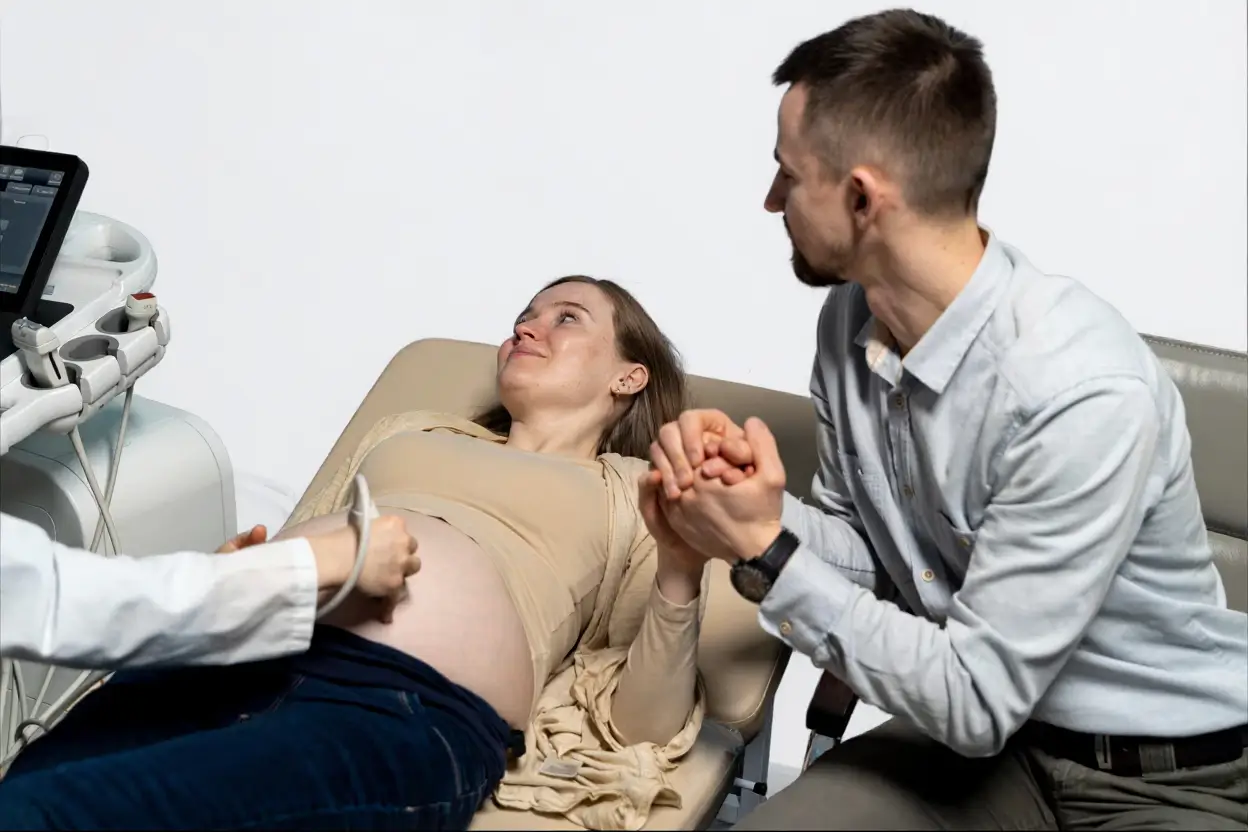
Ivf-Treatment

Affordable services with regular checkups

Neelam Hospital has been able to offer amazing health care facilities at very affordable prices. They believe in catering to complex medical procedures at very reasonable prices because they believe that healthcare facilities should not be denied to anyone due to the paucity of funds. They have tie-up arrangements with insurance companies for the easy processing of the claims. IVF is a very expensive medical procedure but Neelam Hospital, despite having emerged as the leading IVF hospital in Punjab, manages to provide treatment at comparatively low prices. But it doesn't mean that they compromise on the quality of the services. Their services are the best and there is no doubt about it.

Patients have been very satisfied with the services which the hospital has been able to provide them. The doctors constantly monitor the patients in order to keep a track of the latest developments. This helps to give them the best medical advise of all times. This hospital test tube baby center in Punjab has the best facilities which you will never experience anywhere else. Due to the quality of the services, it has ended up becoming the best private hospital in North India for IVF treatment.

So, if you are also looking for the best IVF clinic in Punjab, then there could not be any better option than his hospital. It promises personalised treatment to patients which goes a long way to help our patients experience parenthood. This helps the people to fulfill all their needs under one roof. Neelam Hospital has revolutionized the way in which IVF treatment is provided. The parents are given proper guidance and training. Their team prepares the parents mentally and physically for this purpose. So, this is undoubtedly the best choice for IVF treatment.

Meet the Experienced IVF Specialists at Neelam Hospital

At Neelam Hospital, patients receive expert fertility care under the guidance of experienced specialists, including Dr. Shikha Gupta and Dr. Gaurika Aggarwal. Both doctors are highly qualified gynecologists and IVF specialists who are dedicated to providing personalized fertility treatments. Their expertise, combined with advanced reproductive technologies and compassionate patient care, has helped numerous couples achieve their dream of parenthood. With a patient-centric approach and years of clinical experience, they continue to make Neelam Hospital a trusted destination for infertility and IVF treatment.

FAQs
    1. What makes Neelam Hospital different for IVF treatment?

Neelam Hospital combines advanced fertility technology, experienced specialists, and personalized care to improve IVF outcomes and patient satisfaction.

    2. How does Neelam Hospital improve IVF success rates?

The hospital uses modern diagnostic tools, customized treatment plans, and expert fertility specialists to maximize the chances of successful conception.

    3. Who can benefit from IVF treatment at Neelam Hospital?

Couples facing infertility issues, women with reproductive health challenges, and individuals seeking assisted reproductive treatments can benefit from IVF services.

    4. What IVF services are available at Neelam Hospital?

Neelam Hospital offers fertility evaluations, IVF procedures, fertility counseling, and comprehensive reproductive healthcare services.

    5. Is IVF treatment at Neelam Hospital safe?

Yes, IVF treatment is performed using established medical protocols and advanced technology under the supervision of qualified fertility experts.