A bone fracture is a common orthopedic injury that can happen to people of any age. It may result from a fall, sports injury, road accident, or weakened bones. One of the most common questions patients ask is, "How Long Does It Take for a Bone Fracture to Heal?" The answer depends on several factors, including the type of fracture, the affected bone, the patient's age, and overall health.
A bone fracture occurs when a bone cracks or breaks because of excessive force or weakened bone strength. Fractures range from small hairline cracks to complete breaks that require surgical treatment.
Common types of fractures include:Each fracture requires proper evaluation so the most suitable treatment plan can be selected.
Bone fractures can occur for several reasons. Some fractures result from sudden injuries, while others develop because of underlying medical conditions.
FallsFalls are one of the leading causes of fractures, especially among older adults and young children. Hip, wrist, and ankle fractures commonly occur after slipping or falling.
Road Traffic AccidentsHigh-impact accidents can place significant force on bones and may result in multiple or complex fractures that require immediate orthopedic care.
Sports InjuriesContact sports, running, cycling, and other physical activities can increase the risk of fractures, particularly when protective equipment is not used properly.
OsteoporosisPeople with osteoporosis have weaker bones that break more easily, even after minor injuries or simple falls.
Direct TraumaA strong blow during work-related accidents or physical injuries can also cause fractures in different parts of the body.
The symptoms vary depending on the location and severity of the fracture. However, some signs should never be ignored.
Common symptoms include:Anyone experiencing these symptoms should seek medical evaluation as early diagnosis supports better recovery.
Every fracture heals differently. Several factors influence the bone fracture healing time and overall recovery.
AgeChildren usually experience faster healing than older adults because their bones regenerate more efficiently.
Type of FractureSimple fractures often heal sooner than complex or open fractures, which may require surgery and longer rehabilitation.
NutritionA balanced diet rich in calcium, protein, and vitamin D supports healthy bone repair throughout recovery.
Lifestyle HabitsSmoking and excessive alcohol consumption may slow the healing process by reducing blood supply to the injured bone.
Medical ConditionsConditions such as diabetes, osteoporosis, and poor circulation can delay healing and require closer medical monitoring.
Following Medical AdviceUsing casts or braces correctly, attending follow-up visits, and following rehabilitation instructions can improve recovery and reduce complications.
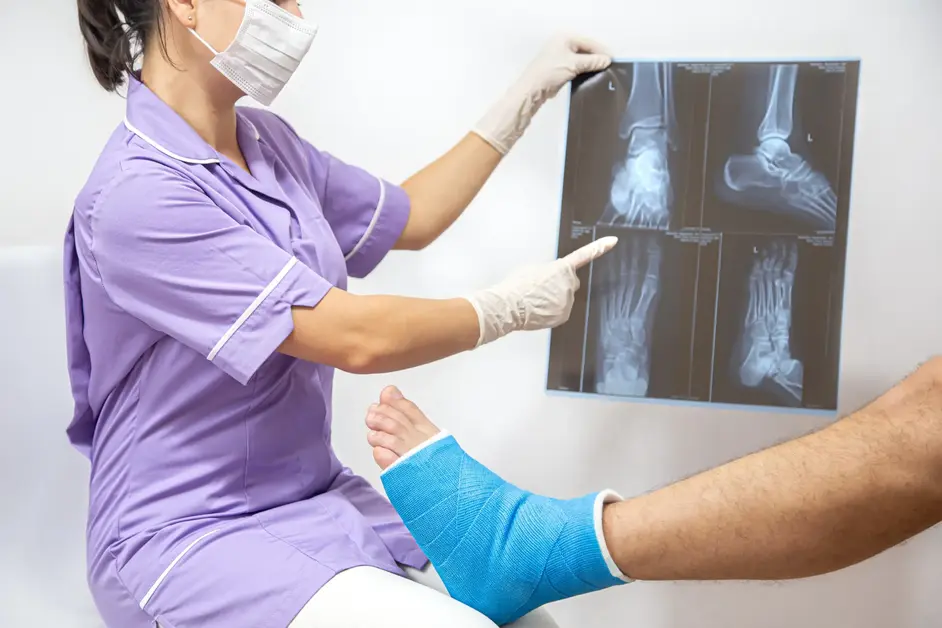
The right bone fracture treatment depends on the type, location, and severity of the injury. After examining the fracture and reviewing imaging tests, the orthopedic specialist recommends the most appropriate treatment.
ImmobilizationMany simple fractures heal with the help of a cast, splint, or brace. These supports keep the bone in the correct position while it heals naturally.
MedicationsDoctors may prescribe pain-relieving medicines or anti-inflammatory medications to reduce discomfort during recovery. Medicines should always be taken as directed by a healthcare professional.
SurgerySome fractures require surgery if the bone is severely displaced, broken into multiple pieces, or involves a joint. Orthopedic surgeons may use plates, screws, rods, or pins to stabilize the bone and promote proper healing.
PhysiotherapyAfter the bone begins to heal, physiotherapy helps restore strength, flexibility, and joint movement. A structured rehabilitation program also supports a safe return to daily activities.
Recovering from a fracture takes time and patience. Following healthy habits can support the bone healing process and improve overall recovery.
Some fractures require immediate medical attention. Delaying treatment may increase the risk of complications or slower healing.
Consult an orthopedic specialist if you experience:Early diagnosis and timely treatment help improve recovery and reduce the risk of long-term problems.
Along with medical treatment and rehabilitation, certain lifestyle habits and natural approaches may also support recovery. You can also read our guide on 10 Effective Natural Remedies for Healing Bone Fractures for additional bone health and recovery tips.
At Neelam Hospital, patients receive comprehensive orthopedic care for bone fractures, trauma injuries, joint problems, and various musculoskeletal conditions. The orthopedic department focuses on accurate diagnosis, evidence-based treatment approaches, and personalized care plans to support better recovery and improved mobility.
The hospital provides specialized orthopedic services supported by modern diagnostic technology, advanced treatment facilities, and a patient-focused approach. The orthopedic care team manages a wide range of conditions, including fractures, sports injuries, joint disorders, and complex bone and joint problems, while emphasizing proper rehabilitation and long-term functional outcomes.
Patients from Rajpura, Punjab, Chandigarh, Haryana, Patiala, and nearby regions choose Neelam Hospital for reliable orthopedic services, advanced healthcare infrastructure, and comprehensive bone and joint care.
If you have a suspected bone fracture or persistent bone pain, consult the orthopedic specialists at Neelam Hospital, Rajpura. Book your appointment today for timely diagnosis and expert treatment.
Yes. Many simple fractures heal successfully with a cast or splint. However, complex fractures may require surgery depending on the injury.
Following your doctor's advice, eating a nutritious diet, staying physically active as recommended, and attending follow-up appointments can support healthy bone healing.
Yes. Children usually heal faster than adults, while older adults may require more time because of reduced bone density and other health conditions.
Walking with a hairline fracture may worsen the injury, especially if it affects a weight-bearing bone. Consult an orthopedic specialist before resuming normal activities.
You should seek medical attention immediately if you have severe pain, swelling, deformity, difficulty moving the injured area, or suspect a broken bone.