
Laparoscopy surgery, often referred to as “minimally invasive surgery,” has become a game-changer in the medical field. This advanced technique allows surgeons to perform complex procedures with smaller incisions, offering patients faster recovery times, reduced pain, and minimal scarring. In this article, we will dive deep into laparoscopy surgery, its benefits, and the various medical conditions it can treat.
Laparoscopy surgery is a procedure where a surgeon uses a small, flexible tube called a laparoscope, equipped with a camera and light, to view the internal organs. This technique is typically used for both diagnostic and treatment purposes. Through small incisions (usually less than an inch), the laparoscope is inserted, allowing the surgeon to operate on the organs with great precision while minimizing trauma to the surrounding tissue.
The laparoscopy surgery technique has revolutionized many fields of surgery, particularly in gastroenterology, gynecology, and urology, because it reduces recovery time and improves overall outcomes compared to traditional open surgery.
Laparoscopy surgery is used to treat a wide range of medical conditions, from diagnostic procedures to complex organ surgeries. Here are s ome common conditions where laparoscopy surgery is beneficial:
The widespread adoption of laparoscopy surgery in modern healthcare is due to its significant advantages over traditional open surgery. Below are some key benefits of choosing laparoscopy surgery:
Traditional surgery often requires large incisions, resulting in larger scars and longer recovery periods. With laparoscopy surgery, only tiny incisions are made, which significantly reduces scarring and promotes quicker healing.
One of the most appealing aspects of laparoscopy surgery is the significantly shorter recovery time. Patients who undergo laparoscopy surgery are often able to return to their regular activities within days rather than weeks, as would be the case with traditional open surgery.
Because laparoscopy surgery involves smaller incisions and less manipulation of tissues, patients typically experience less pain during and after the procedure. This means fewer pain medications and a more comfortable recovery.
Since laparoscopy surgery involves smaller incisions, the risk of infection is considerably lower compared to traditional surgery, where larger wounds take longer to heal and are more susceptible to bacterial infection.
The laparoscopy surgery procedure is typically well-planned, and understanding the process can help you prepare for what to expect. Here’s a breakdown of the steps involved in laparoscopy surgery:
Pre-Surgery Preparation:Though laparoscopy surgery is generally safe, like any surgical procedure, there are risks involved. These include:
It’s crucial to thoroughly discuss any concerns with your surgeon before undergoing laparoscopy surgery so you can make an informed decision based on your medical history and condition.
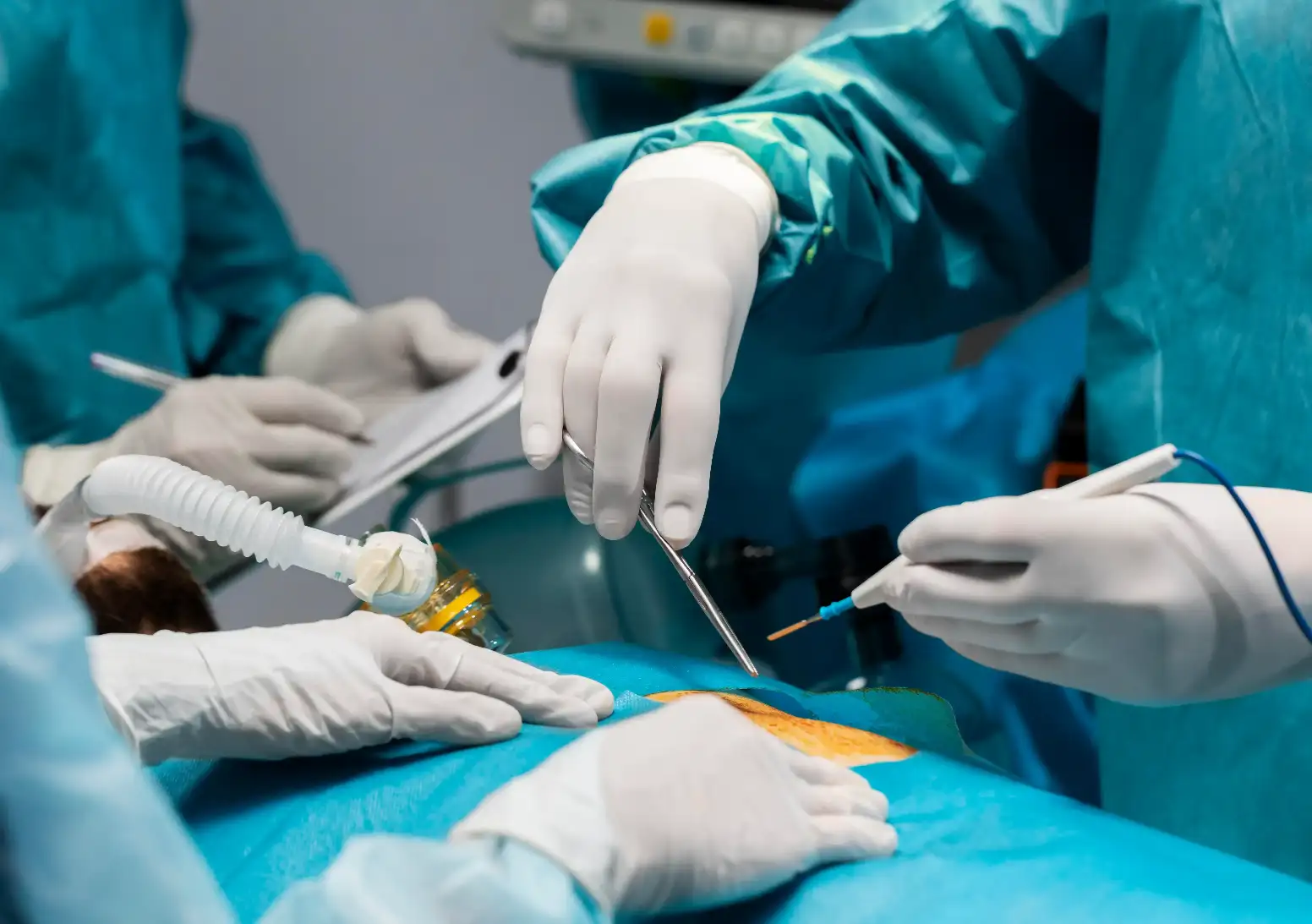
Recovery after laparoscopic surgery is usually smooth and faster compared to traditional open surgery. Most patients are able to walk within a few hours after the procedure, depending on their condition and the type of surgery performed.
Mild pain, bloating, or discomfort around the incision sites is normal for the first few days and can be managed with prescribed medications. Doctors usually advise light activities within 1–2 days, but heavy lifting or strenuous exercise should be avoided for at least 2–3 weeks.
Full recovery time may vary from person to person, but most patients return to normal daily routine within 7–14 days. Following your doctor’s instructions, taking medications on time, and attending follow-up visits ensures faster healing and better results.
This article has been reviewed and guided by Dr. Nitin Gupta, a highly experienced urologist and kidney transplant specialist with advanced qualifications (M.S, M.Ch in Urology). He brings extensive clinical experience in performing and managing complex urological and laparoscopic procedures with a focus on patient safety and minimally invasive surgical care.
At Neelam Hospital, Rajpura, Punjab, Dr. Nitin Gupta leads the Department of Urology & Kidney Transplant with a commitment to advanced medical technology, accurate diagnosis, and patient-centered treatment. His expertise ensures that patients receive safe, effective, and modern surgical care with faster recovery and minimal discomfort.
Under his leadership, Neelam Hospital provides:This content is intended for educational purposes only and should not replace a consultation with a qualified healthcare professional. Patients are advised to seek personalized medical advice based on their individual condition.
Choosing the right hospital plays a very important role in the success of laparoscopic surgery. Neelam Hospital is trusted for providing advanced, minimally invasive surgical care with a patient-first approach.
Our experienced surgical team uses modern laparoscopic techniques that ensure smaller incisions, less pain, minimal blood loss, and faster recovery. We focus on accurate diagnosis, safe surgical procedures, and complete post-operative care.
Patients also benefit from:Laparoscopy surgery is a modern, minimally invasive procedure that offers numerous benefits, including reduced recovery time, less pain, and smaller scars. Whether you’re undergoing laparoscopy surgery for a diagnostic procedure or a more complex operation, this technique can provide better outcomes compared to traditional open surgery. If you are considering laparoscopy surgery, consult with a qualified surgeon to discuss your best treatment options and ensure a successful recovery.