Neelam Hospital

Appointment

Emergency

What's New

Consult

Extreme Summer Heat Safety Tips to Protect Your Health | Neelam Hospital

  • Home
  • Extreme Summer Heat Safety Tips to Protect Your Health | Neelam Hospital
blog-img
July 29, 2026 11:08 am

Extreme Summer Heat Safety Tips to Protect Your Health | Neelam Hospital

Summer can be enjoyable, but extreme summer heat safety tips are important to protect your health during hot weather. During a heatwave, high temperatures can affect people of all ages and may lead to dehydration,heat exhaustion or even heatstroke. Understanding how to stay cool, maintain hydration, and recognize the early warning signs of heat-related illnesses can help protect you and your family.

At Neelam Hospital, we believe that prevention is the best way to stay healthy. This guide shares simple, practical, medically informed tips to help you stay safe during the hottest months of the year.

Why Is Extreme Heat Dangerous?

Your body naturally cools itself by sweating. However, when temperatures become very high or humidity levels rise, your body may struggle to cool down effectively. As a result, your internal body temperature can increase, putting you at risk of heat-related illnesses.

Certain groups are more vulnerable to extreme heat, including:
  • Older adults
  • Infants and young children
  • Pregnant women
  • People with heart disease, diabetes, or kidney disease
  • Individuals who work outdoors
  • Athletes and people who exercise in hot weather

Stay Hydrated Throughout the Day

One of the biggest benefits of drinking water is that it helps protect your body from extreme heat by keeping you hydrated and supporting a healthy body temperature.

Even if you do not feel thirsty, your body continues to lose fluids through sweat and breathing. Replacing these fluids helps regulate your body temperature and reduces the risk of dehydration.

Hydration Tips
  • Drink water regularly throughout the day.
  • Increase your water intake if you are outdoors or physically active.
  • Carry a reusable water bottle when traveling.
  • Eat water-rich foods such as watermelon, cucumber, oranges, and strawberries.
  • Limit sugary drinks, alcohol, and excessive caffeine, as they can contribute to dehydration.

Wear Light and Breathable Clothing

The clothes you wear can make a significant difference in how your body handles the heat.

Choose:
  • Loose-fitting clothing
  • Light-colored fabrics
  • Breathable materials like cotton or linen

Light-colored clothing reflects sunlight, while loose fabrics allow better air circulation and help sweat evaporate more efficiently.
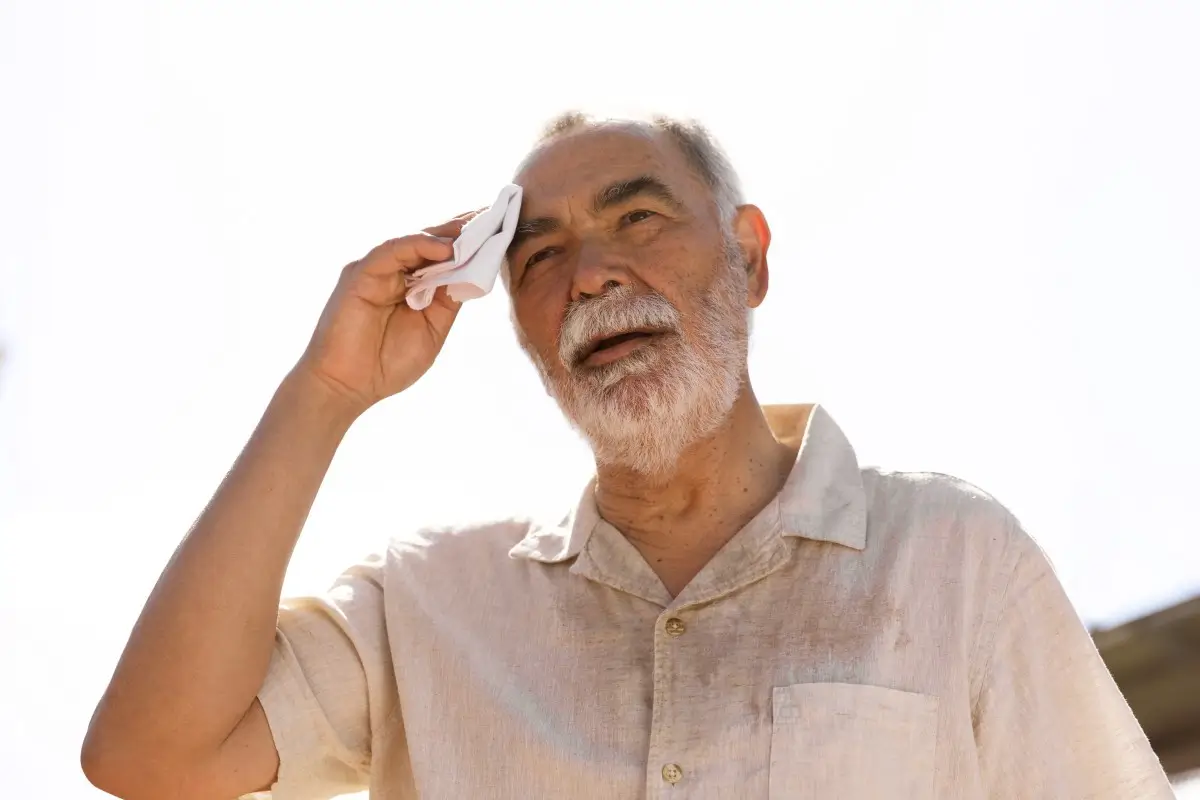
Older adult wiping sweat during a heatwave, highlighting the importance of extreme summer heat safety and dehydration prevention.

Avoid Going Outside During Peak Heat Hours

The sun is usually strongest between 10:00 a.m. and 4:00 p.m.

Whenever possible:
  • Schedule outdoor activities early in the morning or later in the evening.
  • Rest regularly in cool, shaded locations or air-conditioned spaces to prevent overheating.
  • Avoid strenuous exercise during the hottest part of the day.
  • Reduce intense physical activity when temperatures are at their highest, and choose cooler times of the day for exercise.

Choose Healthy Summer Foods

Eating lighter meals can help your body stay comfortable during hot weather.

Healthy summer foods include:
  • Fresh fruits
  • Leafy green vegetables
  • Salads
  • Yogurt
  • Smoothies
  • Coconut water
  • Homemade fresh juices without added sugar

Instead of large heavy meals, choose smaller meals throughout the day to support digestion and maintain your energy levels.

Fresh fruits and healthy drinks to stay hydrated during extreme summer heat and prevent heat-related illness.

Recognize the Early Signs of Heat Exhaustion

Heat exhaustion can develop after prolonged exposure to high temperatures.

Common symptoms include:
  • Heavy sweating
  • Dizziness
  • Headache
  • Nausea
  • Muscle cramps
  • Weakness
  • Fatigue
  • Excessive thirst
  • Cool, pale, or clammy skin

What Should You Do?

If someone develops these symptoms:

  • Move them to a cool or shaded place.
  • Loosen or remove extra clothing.
  • Offer small sips of cool drinking water only if the person is conscious, alert, and can swallow safety.
  • Help lower their body temperature by placing cool, damp towels on the skin or increasing airflow with a fan.
  • Allow them to rest.

If symptoms do not improve within an hour, become worse, or if the person cannot keep fluids down because of vomiting, seek medical care immediately.

Heatstroke Is a Medical Emergency

Heatstroke is the most serious heat-related illness and requires immediate medical attention.

Symptoms of Heatstroke
  • Body temperature above 40°C (104°F)
  • Confusion
  • Slurred speech
  • Loss of consciousness
  • Seizures
  • Hot, red skin
  • Rapid heartbeat
  • Difficulty breathing
What to Do Immediately
  • Call your local emergency medical services without delay.
  • Move the person to a cool, shaded, or air-conditioned place.
  • Remove unnecessary clothing.
  • Cool the body using cool water, wet towels, fans, or ice packs placed on the neck, armpits, and groin.
  • If safe and available, immerse the person in cool water.
  • Do not force fluids if the person is unconscious or confused.

Rapid cooling while waiting for emergency medical help can save lives.

Protect Your Skin and Eyes

Excessive sun exposure can damage both your skin and your eyes.

To stay protected:
  • Protect your skin by using a broad-spectrum sunscreen with an SPF of 30 or above before going outdoors.
  • Apply sunscreen again every two hours, or sooner if you have been swimming or sweating heavily.
  • Wear sunglasses that block 100% of UVA and UVB rays.
  • Use a wide-brimmed hat when spending long periods outdoors.
  • Seek shade whenever possible.

Keep Children, Older Adults, and Pets Safe

Young children and older adults are more sensitive to high temperatures and can become dehydrated quickly.

Remember these important safety tips:
  • Never leave children, older adults, or pets alone in a parked car, even for a few minutes, as temperatures can rise rapidly.
  • Ensure children drink water regularly while playing outdoors.
  • Dress infants in lightweight clothing.
  • Check on elderly family members during heatwaves.
  • Make sure pets always have access to fresh drinking water and shade.

Even a few minutes inside a parked car can become life-threatening during summer.

Use Air Conditioning or Cool Indoor Spaces

Air conditioning is one of the best ways to prevent heat-related illnesses.

If your home does not have air conditioning:
  • Visit shopping malls, community centres, or libraries during the hottest hours.
  • Close curtains, blinds, or shades during the hottest part of the day to help keep indoor spaces cooler.
  • Use fans to improve air circulation.
  • Open windows during cooler evening hours if it is safe to do so.
Know When to Seek Medical Care

Contact a healthcare professional immediately if you or someone else experiences:

  • Persistent vomiting
  • Severe dehydration
  • Difficulty breathing
  • Confusion
  • Fainting
  • Seizures
  • High body temperature
  • Symptoms that continue despite cooling and hydration

Early medical treatment can prevent serious complications.

Final Thoughts

Extreme summer heat can affect anyone, but simple precautions can greatly reduce the risk of heat-related illnesses. Stay hydrated, wear breathable clothing, and avoid outdoor activities during peak sun hours to reduce the risk of heat-related illnesses. Recognizing the early signs of heat exhaustion and heatstroke can help you protect yourself and your loved ones.

At Neelam Hospital, your health and well-being remain our priority throughout every season. If you or a family member experiences symptoms of heat exhaustion, dehydration, or heatstroke, seek medical attention immediately. Our experienced healthcare professionals are committed to providing timely diagnosis, emergency care, and expert medical treatment to help you stay safe during the summer months.

FAQs
    1. What are the common symptoms of heat exhaustion during summer?

Common signs of heat exhaustion include excessive sweating, dizziness, headache, weakness, nausea, muscle cramps, fatigue, and increased thirst. Moving to a cooler place and drinking fluids can help, but medical attention should be taken if symptoms become severe or do not improve.

    2. How can I protect myself from heatstroke during extreme summer heat?

To reduce the risk of heatstroke, stay hydrated, avoid going outdoors during peak heat hours, wear light and breathable clothing, take breaks in cool areas, and avoid intense physical activities in hot weather.

    3. How much water should I drink during hot weather?

During extreme heat, drink water regularly throughout the day to replace fluids lost through sweating. Your water needs may increase if you spend time outdoors, exercise, or work in hot conditions.

    4. When should I seek medical help for heat-related illness?

Seek immediate medical care if someone experiences confusion, fainting, seizures, difficulty breathing, very high body temperature, or symptoms of heatstroke. At Neelam Hospital, timely medical care is available for heat-related health emergencies.