

Prostate cancer develops in the prostate gland, which is part of the male reproductive system. It becomes more common as men get older. However, early prostate cancer may not cause noticeable symptoms.
Understanding Prostate Cancer Symptoms can help men recognize changes and seek medical advice at the right time. Importantly, urinary symptoms do not always mean cancer. Benign prostate conditions can cause similar problems.
Therefore, men should avoid self-diagnosis and discuss persistent or unusual symptoms with a qualified urologist. Early evaluation can help identify the cause and guide appropriate care.
At Neelam Hospital, Rajpura, Punjab, patients can access specialist urology evaluation and advanced diagnostic support for prostate-related concerns.
Prostate cancer occurs when abnormal cells grow in the prostate gland. Some prostate cancers grow slowly, while others can become more aggressive.
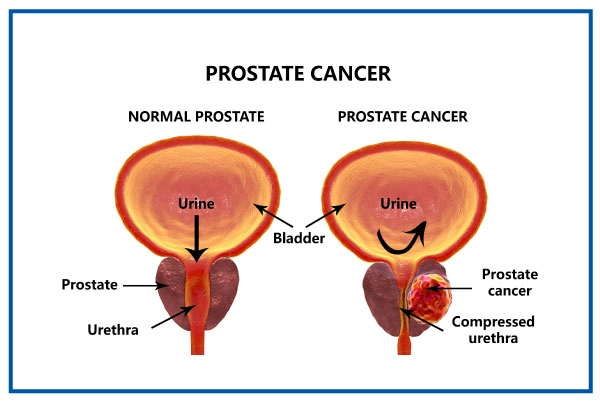
The prostate sits below the bladder and surrounds part of the urethra. Therefore, changes in the prostate can sometimes affect urination.
However, symptoms alone cannot confirm prostate cancer. Doctors may use medical history, examination, blood tests, imaging, and biopsy when required. The diagnosis depends on several findings rather than one test alone.
Most prostate cancers begin in the glandular cells that produce prostate fluid. These cancers are called adenocarcinomas and form the majority of cases.
Acinar Adenocarcinoma: Acinar adenocarcinoma is the most common type of prostate cancer. It develops in the cells lining small prostate glands. Some tumors grow slowly, while others may behave more aggressively. Therefore, doctors assess the tumor's grade and other features carefully.
Ductal Adenocarcinoma: Ductal adenocarcinoma is less common than acinar adenocarcinoma. It develops in the cells lining the prostate's ducts. This type may sometimes grow more quickly. Doctors consider its characteristics when planning further testing and treatment.
Other Rare Types: A small number of prostate cancers develop from different cell types. These include small cell carcinoma and other rare neuroendocrine tumors. These cancers can behave differently from typical prostate adenocarcinoma. Therefore, they may require specialized diagnosis and treatment.
Early prostate cancer often develops without clear warning signs. As the disease progresses, some men may notice urinary or other physical changes.
Common Prostate Cancer Symptoms can include:These symptoms can also occur with an enlarged prostate or urinary infections. Therefore, experiencing one symptom does not automatically indicate cancer. Persistent symptoms should still receive professional evaluation.
The Early Signs of Prostate Cancer can be subtle or absent. Urinary changes may appear when a growing prostate affects the urethra.
For example, a man may notice increased nighttime urination or a weaker urine stream. He may also need more time to begin urinating.
However, early prostate cancer can remain symptom-free. That is why risk assessment and appropriate medical discussions become important.
Men should speak with a healthcare professional about any new urinary changes. Doctors can determine whether further testing is appropriate.
The exact Prostate Cancer Causes are not completely understood. Cancer develops when prostate cells acquire changes that allow abnormal growth.
Several factors may increase the likelihood of developing prostate cancer. These factors do not mean that cancer will definitely occur.
Researchers continue to study genetic, hormonal, environmental, and lifestyle influences. A man's overall risk depends on a combination of factors.
Several Prostate Cancer Risk Factors have been associated with a higher chance of developing the disease.
AgeRisk increases significantly as men grow older. Therefore, age is one of the most important risk factors.
Family HistoryMen with a close family history of prostate cancer may have a higher risk. This is especially relevant when relatives developed the disease at a younger age.
Genetic FactorsCertain inherited genetic changes can increase prostate cancer risk. Men with strong family histories may benefit from discussing genetic risk with their doctor.
Ethnic BackgroundProstate cancer risk can vary among different population groups. Doctors may consider background alongside age and family history.
Lifestyle FactorsMaintaining a healthy weight, staying physically active, and following a balanced diet support overall health. However, lifestyle changes cannot completely prevent prostate cancer.
Doctors use several methods to evaluate suspected prostate cancer. The exact approach depends on symptoms, age, risk factors, and previous test results.
Medical History: The doctor asks about urinary symptoms, family history, medications, and other relevant health concerns.
Physical Examination: A doctor may perform a digital rectal examination when clinically appropriate. This can help assess the prostate for unusual changes.
PSA Blood Test: The prostate-specific antigen, or PSA, blood test measures PSA levels in the blood. Higher levels can occur for several reasons, including prostate cancer. Therefore, PSA results do not confirm cancer by themselves.
Imaging Tests: Doctors may recommend imaging when further evaluation becomes necessary. MRI can provide detailed information about the prostate.
Prostate Biopsy: A biopsy involves taking small tissue samples from the prostate. A laboratory examines these samples for cancer cells. A biopsy can confirm whether cancer is present and provide important information about its characteristics.
Understanding Prostate Cancer Stages helps doctors determine how far the disease has progressed.
Stage ICancer remains limited to the prostate and may be small or less aggressive.
Stage IICancer remains within the prostate but may be larger or show features suggesting greater risk.
Stage IIICancer has extended beyond the prostate or may involve nearby structures.
Stage IVCancer has spread to distant areas of the body. Common sites can include bones and other organs.
Doctors use staging information to develop an appropriate treatment plan. The stage is only one part of treatment decision-making.
Prostate Cancer Treatment depends on the cancer's stage, grade, overall health, age, and personal preferences.
Active SurveillanceSome slow-growing cancers may not require immediate treatment. Doctors may monitor the cancer using regular tests and examinations. This approach can help avoid unnecessary treatment in selected patients.
SurgeryRadical prostatectomy removes the prostate and surrounding tissues when surgery is appropriate. Some patients may be suitable for minimally invasive or robotic-assisted procedures.
Radiation TherapyRadiation uses high-energy treatment to target cancer cells. Doctors may recommend external radiation or other suitable radiation approaches.
Hormone TherapySome prostate cancers depend on male hormones for growth. Hormone therapy reduces or blocks these hormonal effects.
ChemotherapyChemotherapy uses medicines that target rapidly growing cancer cells. Doctors may recommend it for certain advanced or high-risk cancers.
Some patients may benefit from targeted medicines or newer therapies. Suitability depends on cancer characteristics and previous treatment.
For advanced prostate conditions, other urological procedures may also be considered when clinically appropriate. Prostate laser surgery, however, is generally used for non-cancerous prostate enlargement rather than prostate cancer.
The appropriate treatment depends on the patient's diagnosis, prostate condition, overall health, and treatment goals. A urologist can recommend the most suitable approach after detailed evaluation.
There is no guaranteed way to prevent prostate cancer. However, healthy habits can support general health and may help reduce certain health risks.
Men can focus on:These measures do not replace medical evaluation or recommended screening discussions.
A urology consultation is appropriate when urinary symptoms persist or become troublesome.
Men should seek medical advice for:Early assessment can identify common prostate conditions as well as more serious causes.
Dr. Nitin Gupta, M.S., M.Ch. (SGPGI), leads the Urology and Kidney Transplant services at Neelam Hospital. He is an Ex. Assistant Professor of Urology, PGI Chandigarh, with more than 15 years of healthcare experience.
His clinical expertise includes prostate disorders, urinary conditions, kidney diseases, and advanced urological procedures. Patients receive evaluation based on their symptoms, medical history, examination, and required diagnostic tests.
Located in Rajpura, Punjab, Neelam Hospital serves patients from nearby areas, including Punjab, Chandigarh, Haryana, and Patiala.
Many prostate-related symptoms have causes other than cancer. An enlarged prostate and urinary infections, for example, can produce similar complaints.
Therefore, ignoring persistent symptoms can delay diagnosis of the underlying problem. On the other hand, unnecessary worry can also be avoided through proper medical evaluation.
A urologist can assess the symptoms and recommend appropriate tests. Early diagnosis may provide more treatment choices when cancer is present.
Prostate Cancer Symptoms can vary greatly between men. Some patients notice urinary changes, while others have no symptoms during the early stages.
Age, family history, and other risk factors can influence an individual's risk. Therefore, men should discuss concerning changes with a qualified urologist.
Timely evaluation helps distinguish prostate cancer from other common prostate conditions. It also allows doctors to select treatment according to the cancer's characteristics.
Men experiencing persistent urinary changes or other concerning symptoms should consider a timely urology consultation.
Neelam Hospital Rajpura, Punjab, provides specialist evaluation for prostate and urinary conditions.
Consult Dr. Nitin Gupta for appropriate assessment, diagnosis, and treatment planning based on individual needs.
Early prostate cancer may cause no symptoms. When symptoms occur, they can include weak urine flow, frequent urination, or difficulty starting urination.
2. Does frequent urination always mean prostate cancer?No. Frequent urination can result from an enlarged prostate, infection, diabetes, or other conditions. A medical evaluation can identify the underlying cause.
3. Can prostate cancer be detected through a PSA test?A PSA test can help assess prostate health and cancer risk. However, PSA levels alone cannot confirm prostate cancer.
4. Is prostate cancer treatable?Many prostate cancers can be effectively managed, especially when detected earlier. Treatment depends on the stage, grade, and overall health.
5. Which doctor treats prostate cancer?A urologist usually evaluates prostate conditions and manages many prostate cancers. Other specialists may join the treatment team when additional therapies are needed.
6. Can younger men develop prostate cancer?Yes, although prostate cancer is more common with increasing age. A strong family history or inherited genetic risk can affect individual risk.
7. Should men with urinary symptoms wait before seeing a doctor?Persistent or worsening symptoms should not be ignored. A urologist can identify whether the cause is cancer, an enlarged prostate, infection, or another condition.